
We Speak Movies
An Elizabeth Holmes Documentary Is Outearning Big Budget Movies, One Screen at a Time
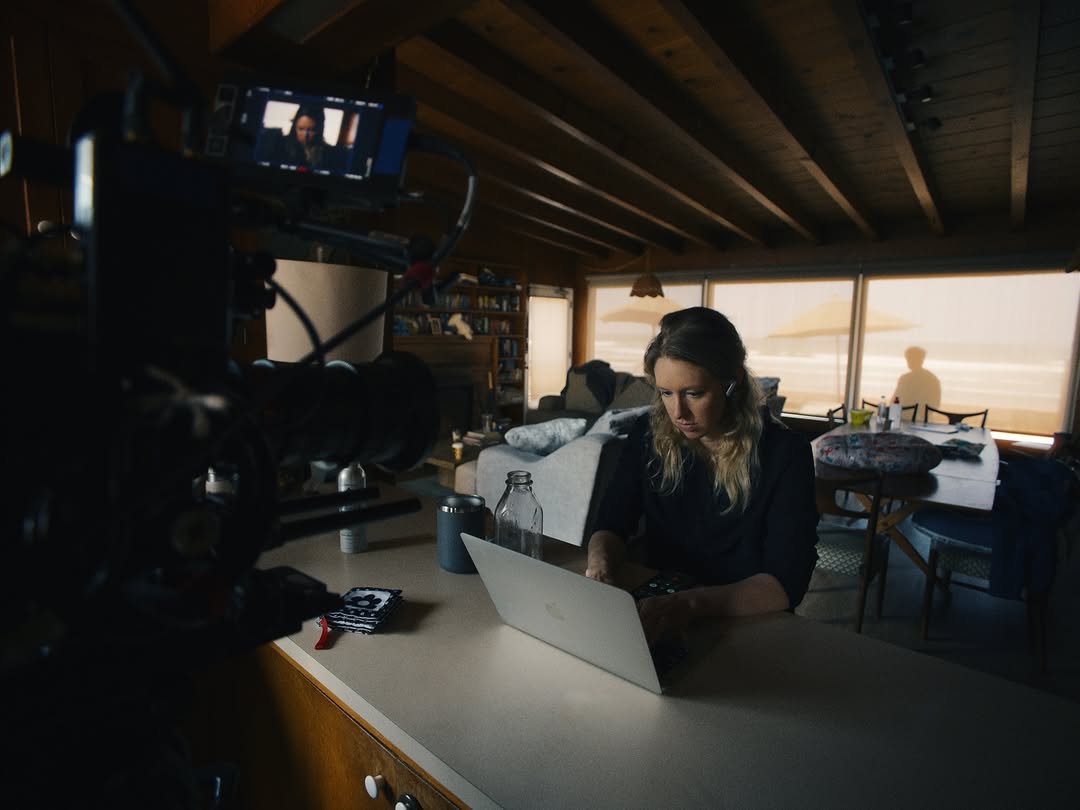
The most efficient movie in American theaters right now is not a comic book film or a franchise sequel. It is a documentary about Elizabeth Holmes, the Theranos founder, and it is making its money the old fashioned way: a small number of screens, each one packed. The per screen numbers behind the A24 release You Can See Everything explain why Hollywood keeps falling in love with the small bet.
The opening that turned heads
You Can See Everything, the A24 documentary about Theranos founder Elizabeth Holmes, opened over the weekend of October 16 to 18 with about $15 million from just 855 theaters, according to studio estimates reported by Box Office Mojo and trade trackers. That works out to roughly $17,500 per screen, a figure most wide releases never touch.
Then the film did the rarest thing in modern box office: it grew. In its second weekend, October 23 to 25, A24 expanded the documentary to 2,655 theaters and it earned $19.5 million, a bigger weekend than its first, according to the Screendollars weekend report with data courtesy of Rentrak. Its running domestic total reached about $45.1 million in ten days.
The other side of the ledger
On the same opening weekend, Whalefall, a survival thriller from Disney and 20th Century Studios in which a diver is swallowed by a sperm whale, opened with about $8 million from 3,065 theaters. That is roughly $2,600 per screen, and the film carried a reported production budget of $60 million. The documentary played in about a quarter as many theaters and earned nearly twice the money.
Why the per screen number rules the business
Studios do not keep the full box office gross. Theaters keep a share of every ticket, commonly around half on a domestic run, which is why trade coverage of the number one film that following weekend, Warner Bros. release Clayface, was careful to note that its estimated $43 million worldwide opening against a reported $44 million production budget was not a break even result. A film is not paid for when its gross matches its budget. It is paid for when the studio share of the gross, after the theater cut and the marketing spend, covers the cost.
That math is exactly why a documentary like You Can See Everything is such a powerful business story. A modest production cost, a small marketing spend, packed screens and word of mouth doing the advertising for free. The same weekend reports put the year to date domestic box office at about $8.2 billion, up roughly 20 percent on 2025, and the films punching above their weight this fall are the ones built on the small bet, not the giant one.
Read Next
https://wespeakmedia2.com/ai-songs-are-flooding-streaming-the-money-tells-a-different-story/
 Cairo Festival Picks More Than 300 Filmmakers for 10 Industry Workshops in Its 47th Edition
 Cairo International Film Festival Unveils Full Industry Days Schedule For 47th EditionCairo Film Connection Unveils Five Mentor Tracks to Guide Filmmakers Beyond the Festival
 Darius Rucker Tells His Own Story in They Called Me Hootie, Premiering November 16 on Hulu
 Molly Curnow Talks ‘Klara and the Sun’, Working with Jenna Ortega and Finding Her Confidence on Set
 Ovrkast Brings the Still Striking Tour to The Echo in Los Angeles on December 1
 Ragin’ Cajuns Basketball Takes Over the Cajundome With Nine Men’s Home Dates and Eleven Women’s Home Dates
 Coastal Carolina Comes to Our Lady of Lourdes Stadium for the Ragin’ Cajuns Home Finale on November 21

We Speak Movies
Cairo Festival Picks More Than 300 Filmmakers for 10 Industry Workshops in Its 47th Edition
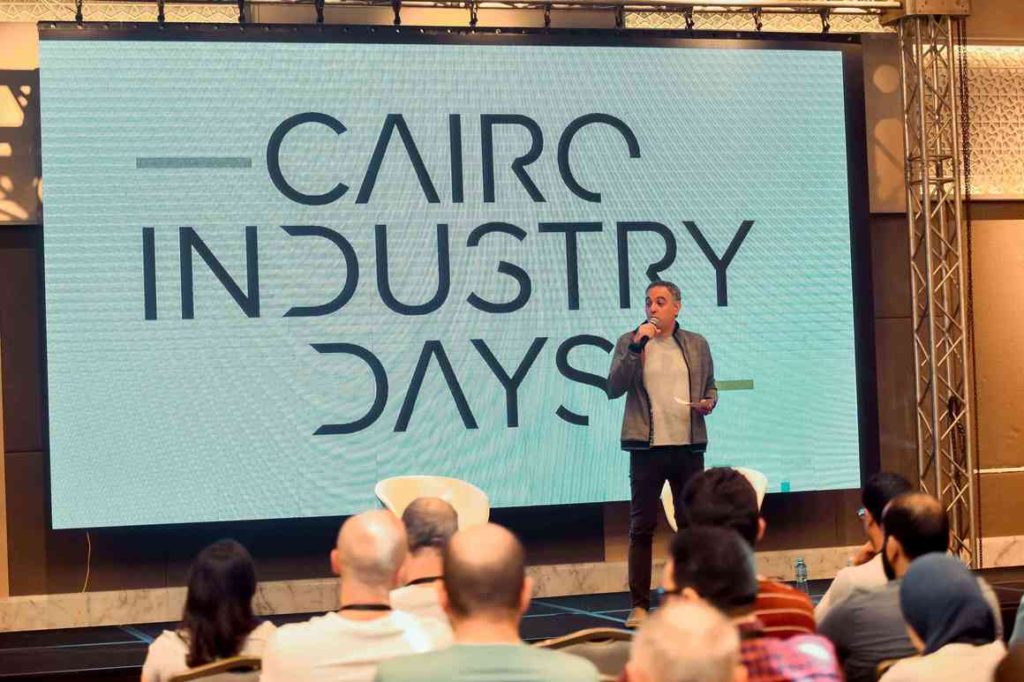
More than 3,000 filmmakers applied, and over 300 have been selected. Cairo Industry Days has named the participants for 10 hands on workshops at the festival’s 47th edition, covering everything from screenwriting and cinematography to artificial intelligence, casting and independent film financing.
Cairo International Film Festival Selects Over 300 Participants for 10 Industry Workshops
More than 3,000 applications received for the Cairo Industry Days training programme
The Cairo International Film Festival (CIFF), presided over by Hussein Fahmy, has announced 10 specialised workshops as part of its 47th edition, organised under Cairo Industry Days (CID), headed by film critic Mohamed Sayed Abdel Rahim.
The training programme has attracted more than 3,000 applications, with over 300 participants selected across the 10 workshops. Designed for emerging and established filmmakers, the programme offers hands-on training, professional development and opportunities to exchange knowledge and experience across different areas of filmmaking.
Overseen by Ahmed Alkayal, the workshops cover a range of disciplines, including screenwriting, acting for the camera, genre series development, artificial intelligence in filmmaking, production design, cinematography, casting, immersive storytelling and independent film financing.
The programme includes “Short Series Script Development”, led by Rajia Hassan; “Preparing Actors: Acting for the Camera”, led by acting coach Ahmed Mubarak; and “Genre Series Development”, led by Egyptian screenwriter Mahmoud Ezzat.
Producer and director Sarah Ivy will lead “From Vision to Pitch: AI Tools for Filmmakers”, while screenwriter and author Haitham Dabbour will conduct “Feature Film Script Development” in collaboration with the Irth Content Development team.
Production designer Islam Hassan will lead “Creating Place: Production Design and Developing a Visual Approach for the Screen”, exploring the role of production design in shaping the visual identity of a film.
The cinematography workshop, “The Cinematic Image: From Vision to Screen”, will feature Mo Ismail, Sofia Elimara, Ahmed Ismail and Ahmed Lablab.
Film financing will be addressed in “Financing an Independent Feature Film: Resources and Strategies”, featuring Jad Abi Khalil and Mark Lotfy.
Lebanese-American actor and casting director Hamza Samman will lead “Casting as a Creative Process”, while filmmaker and interactive storyteller May Abdalla will join interactive storyteller and producer Barry Gene Murphy for the “Immersive Storytelling and Production Lab”.
The workshops form part of CIFF’s efforts to expand the professional development and training opportunities offered through Cairo Industry Days. By combining practical learning with the experience of working film professionals, the programme aims to support emerging talent, strengthen filmmakers’ creative and technical skills, and help participants engage with developments in contemporary filmmaking.
About Cairo Industry Days
Launched in 2018, Cairo Industry Days (CID) is the industry platform of the Cairo International Film Festival. It supports filmmakers and their projects at different stages of development and production, while fostering collaboration between Arab filmmakers and their international counterparts.
Through training programmes, specialised meetings and professional events, Cairo Industry Days provides opportunities for networking, knowledge exchange and practical learning. Its activities aim to develop emerging talent, encourage innovation and contribute to the growth of the Arab film industry.
About Cairo International Film Festival
Held annually under the auspices of the Egyptian Ministry of Culture, the Cairo International Film Festival marks its 50th anniversary in 2026, having been founded in 1976.
One of the oldest and most established film festivals in the Arab world and Africa, CIFF is officially accredited by the International Federation of Film Producers Associations (FIAPF). The festival continues to serve as an international platform for cultural exchange, the celebration of cinema and the development of filmmaking talent.
Read Next
Cairo International Film Festival Unveils Full Industry Days Schedule For 47th Edition
Cairo Film Connection Unveils Five Mentor Tracks to Guide Filmmakers Beyond the Festival
Cairo International Film Festival Unveils Full Industry Days Schedule For 47th EditionCairo Film Connection Unveils Five Mentor Tracks to Guide Filmmakers Beyond the FestivalDarius Rucker Tells His Own Story in They Called Me Hootie, Premiering November 16 on HuluCairo Film Festival Lines Up 16 Masterclasses With Garrone, Kapadia, Sissako And More For Its 47th EditionMolly Curnow Talks ‘Klara and the Sun’, Working with Jenna Ortega and Finding Her Confidence on SetOvrkast Brings the Still Striking Tour to The Echo in Los Angeles on December 1Ragin’ Cajuns Basketball Takes Over the Cajundome With Nine Men’s Home Dates and Eleven Women’s Home DatesCoastal Carolina Comes to Our Lady of Lourdes Stadium for the Ragin’ Cajuns Home Finale on November 21-

 We Speak Golf2 days ago
Smotherman Chases A Third Straight Win And Teen Winner Blades Brown Headlines The Inaugural Austin Championship
-

 We Speak NBA1 day ago
NBA Roundup: Flagg Scores 43 as Mavericks Edge Pacers, Wembanyama Posts 40 and 8 Blocks in Spurs Rout
-

 We Speak Wellness & Self-Care13 hours ago
About 4,000 Steps a Day Linked to Better Thinking Scores in Older Adults
-

 We Speak Wellness & Self-Care13 hours ago
Walking More Is Linked to Lower Health Care Costs for Older Adults in Osaka Study