
We Speak Financials
Big Ten Doubles Down on Paying Players: New Framework Raises the Cap From $21.5 Million to $49 Million Per School

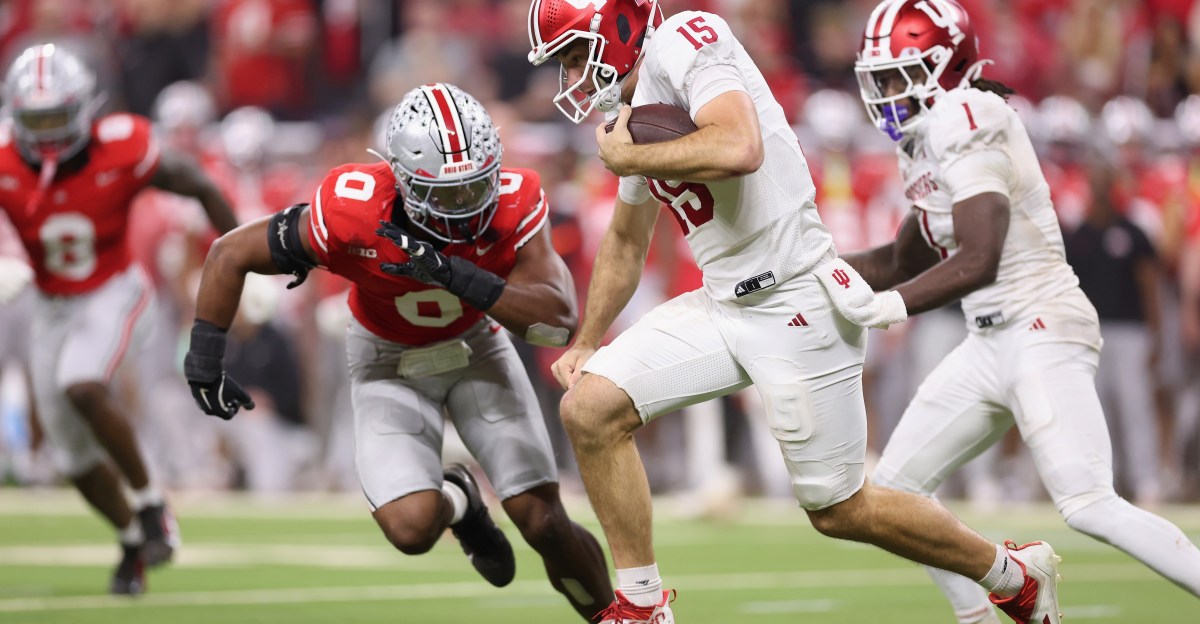
College sports just put its price tag in writing. The presidents and chancellors of the Big Ten voted unanimously on October 28 to adopt a new NIL economic framework, effective immediately, that raises the total amount each school can put toward paying athletes from $21.5 million to $49 million.
Here is how the number is built. The $21.5 million figure comes from the revenue-sharing system created by the House v. NCAA settlement, the money schools pay athletes directly. On top of that, the framework caps third-party NIL deals that a school may arrange at $27.5 million per school. Together, that is the $49 million framework. Every program also gets $5 million guaranteed for women’s and Olympic sports.
The framework mirrors the proposed Protect College Sports Act, which means the richest conference in college athletics is getting its house in order ahead of possible federal law. Indiana president Pamela Whitten, who chairs the Big Ten Council of Presidents and Chancellors, issued the conference’s statement.
There is a squeeze inside the news. Basketball insiders expect hoops spending to feel it hardest: programs that spent $20 million or more on basketball could be held to roughly $8 to 12 million under the framework, and the plan carries escalating penalties for programs that break the rules.
The money, in plain words: paying college players is no longer a gray area argued about in court. It is now a published budget line, set by the conferences themselves, and it more than doubled overnight.
 Tom Lee Called 7,700 by Christmas. The Market Got There in October, So He Moved His Target to 8,000
 Jaden McDaniels Takes the Short Deal: One Year, $40 Million, and a Bigger Payday Waiting in 2028
 Shakira Just Passed Bad Bunny: Her Tour Is Now the Highest-Grossing Latin Tour of All Time at $534 Million
 The Cheap Movie Won: DC’s Clayface Tops the Box Office on a $44 Million Budget
 This Week in ACC Field Hockey: Title Race Comes Down to the Final Weekend
 ACC Football Week 9 at a Glance: Schedule, Notes and the Conference of Quarterbacks
 Media Day Dispatch: The Scene Is Set Ahead of Seismic Sepang Weekend
 My Chemical Romance Launch Short Film “Prelude to The End” With Visual Artist Lauren Tsai



We Speak Financials
Tom Lee Called 7,700 by Christmas. The Market Got There in October, So He Moved His Target to 8,000
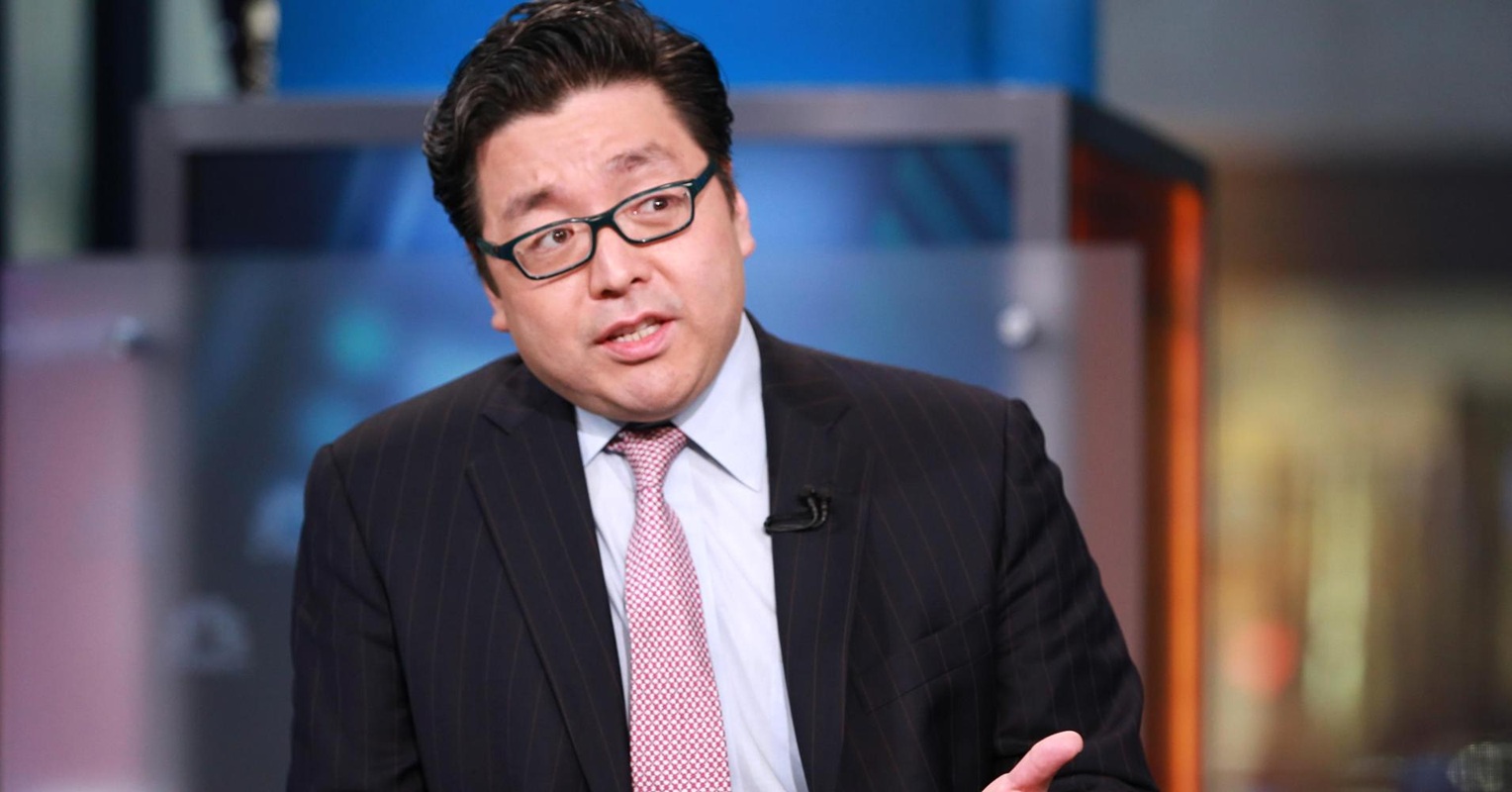
Wall Street’s loudest bull just got his number early. Last December, Fundstrat strategist Tom Lee set a year-end 2026 target of 7,700 for the S&P 500, one of the most bullish calls on the Street at the time. On October 20, the index closed at 7,713, hitting Lee’s year-end number with more than two months to spare. Lee has since raised his target to 8,000.
To be clear on whose view this is: these are Lee’s calls, made publicly by Fundstrat, and we are reporting them the way we report any analyst’s call, with his name on them. They are not our recommendation, and this article is not financial advice.
The interesting part is the gap between the call and the product. Lee’s Granny Shots ETF, ticker GRNY, built around Fundstrat’s themes and holding 42 large-cap U.S. stocks, is up 10.4 percent this year. That trails the S&P 500’s 12.7 percent gain and the Nasdaq-100’s 16.8 percent, in the very year his headline call landed. In 2025 the fund returned 24 percent, ahead of the index’s 17.7 percent.
He is not alone in that gap. In the first half of 2026, 67 percent of U.S. large-cap funds did worse than the S&P 500 itself, according to the S&P Dow Jones Indices scorecard.
The money, in plain words: calling the market right and beating the market are two different skills. Lee nailed the first one this year. The second one is beating almost everybody, including, so far, him.
Jaden McDaniels Takes the Short Deal: One Year, $40 Million, and a Bigger Payday Waiting in 2028Shakira Just Passed Bad Bunny: Her Tour Is Now the Highest-Grossing Latin Tour of All Time at $534 MillionThe Cheap Movie Won: DC’s Clayface Tops the Box Office on a $44 Million Budget Celine Dion’s Comeback Is a Money Machine: $125.5 Million Grossed in Just 16 Paris ShowsThis Week in ACC Field Hockey: Title Race Comes Down to the Final WeekendACC Football Week 9 at a Glance: Schedule, Notes and the Conference of QuarterbacksMedia Day Dispatch: The Scene Is Set Ahead of Seismic Sepang WeekendMy Chemical Romance Launch Short Film “Prelude to The End” With Visual Artist Lauren Tsai
-

 We Speak NFL1 day ago
Lions Expect Amon-Ra St. Brown Back at Practice Thursday After Ankle Scare
-

 We Speak Jazz7 days ago
Toronto Jazz Singer Ori Dagan Announces First Live Album ‘Live in the Market’ for October 23 Release
-

 We Speak Gaming20 hours ago
Zelda: Ocarina of Time Remake Arrives November 5 on Switch 2, With an Ocarina You Play by Humming
-

 WE Speak MMA1 week ago
UFC 334: Gane vs. Hokit, Harrison vs. Nunes Title Fights Set for November 14 at Madison Square Garden