
We Speak Music
Close To Monday Drops Stunning New Single ‘Pray’


Close To Monday aren’t here to make throwaway club bangers—they’re here to soundtrack the inner lives of wanderers. On “Pray,” the Berlin-based duo slow things down, trading bombast for brooding synths and hushed vocals. The result is a track that feels tailor-made for the early hours: contemplative, cinematic, and quietly devastating.
The production is sparse but deliberate. Alexander lays down analogue-styled synths that pulse like veins, while minimalist percussion keeps everything moving at a hypnotic crawl. It’s the sort of sound design that rewards repeated listens, with subtle textures revealing themselves over time.
Ann’s vocal delivery is the real key. She sings as if whispering secrets to herself, her words circling back like echoes. The repetition feels ritualistic, almost trance-inducing, and gives the track its emotional core.
There’s no easy catharsis here, no big hook to chant along to. Instead, “Pray” asks you to sit in the ambiguity of its questions. It’s about resilience, about continuing when clarity is far away, about finding strength in stillness. That’s a bold artistic move in a scene obsessed with immediacy.
By refusing to chase trends, Close To Monday carve their own lane. “Pray” is more than a single—it’s a statement of intent. They’re not just part of the global electronic scene; they’re redefining how intimate and reflective it can be.


We Speak Hip-Hop
ATL Legend Lil Atlanta of Trillville Turns Up the Energy With New Single and Music Video “Turn Me Up”

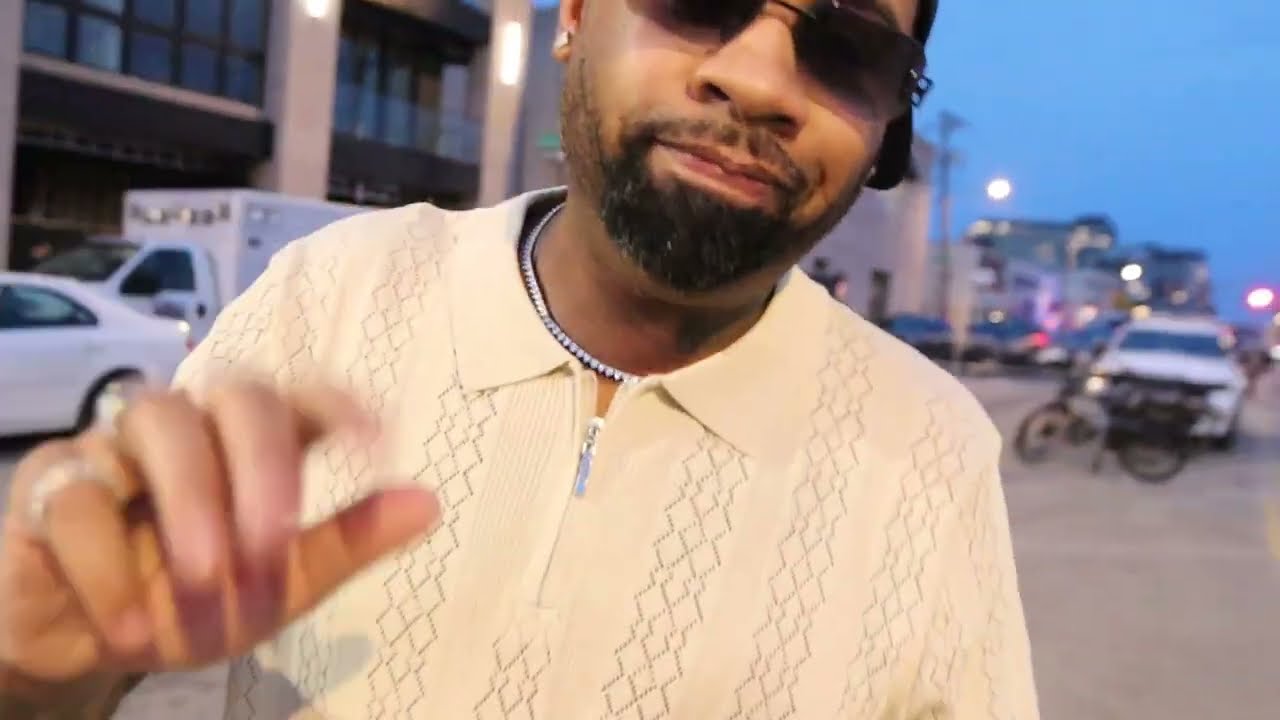
Atlanta hip-hop veteran Lil Atlanta of the legendary group Trillville, also known as Mr. Edwards, is back with his new single and official music video, “Turn Me Up,” available now on digital streaming platforms.
Known for helping shape the sound and energy of Atlanta’s influential crunk era, Lil Atlanta continues to represent the city’s musical legacy while introducing new music to longtime fans and a new generation of listeners.
Watch the official video:
The official music video brings together a lineup of hip-hop heavyweights, featuring special appearances by Trillville, Scrappy, Bone Crusher, Crime Mob, Philly Freeway, F.L.Y. and Travis Porter. The visual celebrates the artists, connections and culture that helped put Atlanta hip-hop on the map.
Directed by Benny Fame (@Bennyfame_bigmoves), “Turn Me Up” delivers high-energy visuals that connect Atlanta’s hip-hop legacy with a fresh chapter in Lil Atlanta’s musical journey.
Released through Global Move Entertainment, the single is available now on Apple Music, with the official music video streaming on YouTube.
Follow the artist on Instagram: @LilAtlantaTrill and @RealMrEdwards.
-

 We Speak Dining & Drinks2 days ago
Off The Rails Opens in Boston, Bringing Nashville-Inspired Dining, Live Music and High-Energy Entertainment Downtown
-

 We Speak Music1 week ago
Fox De La Rose Refuses To Be Defined On ‘Nothing Is Written In Stone’
-

 We Speak Music1 week ago
Didn’t get tickets to Oasis? Buying for the dad who still talks about that gig in 1996
-

 We Speak Music1 week ago
Desire Machines Pair Literary Inspiration With Psychedelic Art-Rock On New Single