
We Speak Celebrity News
Angelica Figueroa Brings Period Filmmaking to Life Through the Art of Visual Storytelling

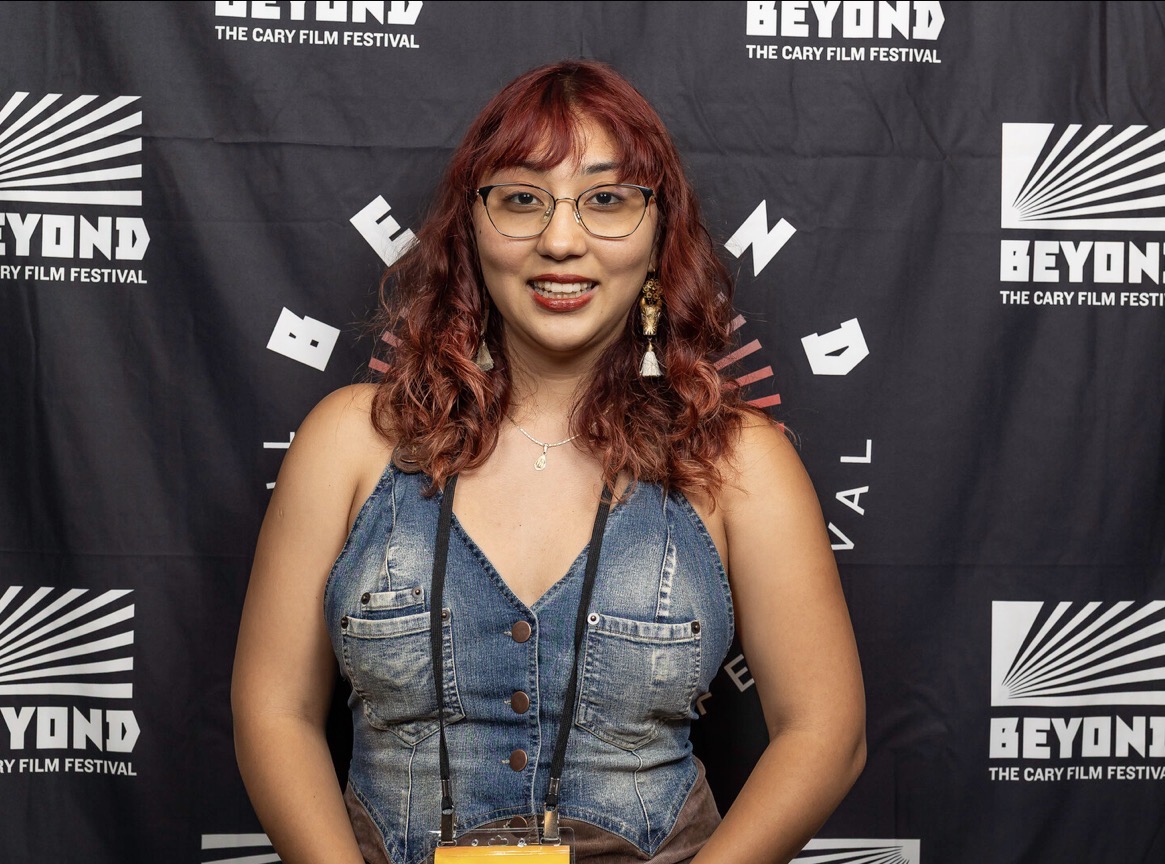
Los Angeles Art Director and Production Designer Angelica Figueroa is building a career around one of filmmaking’s most essential crafts: creating the worlds audiences see on screen.
There are performances that define a film, and then there is the world surrounding those performances.
For Angelica Figueroa, that world is where storytelling begins.

The Los Angeles-based Art Department professional has developed her craft across Production Design, Art Direction, Set Dressing and Prop Master roles, creating environments designed not simply to look convincing on camera, but to reveal something about the characters who inhabit them.
Originally from Morelos, Mexico, Figueroa earned a BFA in Filmmaking from the New York Film Academy before continuing to build her career within the Los Angeles production community.
Her growing portfolio encompasses narrative filmmaking, music-related productions, promotional work and independent cinema, but one project in particular demonstrates the detailed work involved in creating a believable cinematic world.

Figueroa served as Art Director on Sunrise Boulevard, a period short film set in 1955.
Period filmmaking presents a unique challenge for an Art Department. Every visible object has the potential to either strengthen the illusion or break it. Furniture, decorations, props, materials and background details must work together to convince an audience that the characters truly occupy another time.
On Sunrise Boulevard, Figueroa contributed to the film’s period-specific visual world through art direction, set dressing, props and sourcing, helping create environments appropriate to its 1955 setting.
The film went on to become an official selection at the Burbank International Film Festival and received a nomination in the festival’s Production Design / Art Direction category, with Figueroa credited as the film’s Art Director.

For an artist increasingly focused on visual storytelling, the recognition marked an important milestone in Figueroa’s developing career.
Production Design is sometimes mistaken for simply making a movie look attractive. In practice, its role goes much deeper.
A successful environment can communicate information about a story before an audience consciously realizes it. The condition of a room, the objects a character keeps nearby, the furniture surrounding them and even seemingly insignificant background pieces can suggest history, personality, economic circumstances and emotional state.
That philosophy is central to Figueroa’s approach to Art Department work. Research, sourcing and attention to detail become tools for storytelling rather than decoration for its own sake.
Her experience as a Prop Master has further strengthened that attention to detail.
On Oroboros, Figueroa worked with story-specific and actor-handled props, sourcing, practical elements and breakable pieces. Prop work requires both creative judgment and technical problem-solving because an object may need to perform a specific function while remaining completely believable within the world of the film.
Figueroa’s Art Department experience also extends beyond traditional narrative filmmaking.
She has worked as a Set Dresser on a Willow Smith performance video, a promotional production for Wild ’N Out, and the “Tell Me” project by OneRepublic and Karan Aujla.
Those productions called for a different visual vocabulary from a period film such as Sunrise Boulevard, demonstrating the versatility required of Art Department professionals working across contemporary entertainment.

Her additional Art Department credits include Canta Santiago, Ikigai and Rebel Flower(s).
Figueroa has also continued expanding her work as a Production Designer.
She served as Production Designer on What a Valentine, starring veteran actor Jim Beaver, and Tamales, starring Virginia Novello.
In Production Design, Figueroa’s responsibilities extend beyond individual objects or portions of a set. The role requires thinking about the entire physical environment of a film and developing a cohesive visual language that supports its characters and story.
Audiences may never see Angelica Figueroa standing in front of the camera, but they see the results of her decisions throughout the worlds created behind it.
That is the unusual power of Production Design and Art Direction.
When the work succeeds, a room stops feeling like a set. A prop stops feeling like something selected for a movie. The environment simply becomes part of the character’s reality.
Figueroa’s journey from Morelos to film school and ultimately to Art Departments in Los Angeles has placed her in a profession where artistic instinct must coexist with research, logistics, budgets, deadlines and constant problem-solving.
Her work on Sunrise Boulevard and its subsequent festival recognition provide one example of where that combination can lead. Her expanding Production Design credits point toward the next stage of a career increasingly centered on creating memorable visual environments for the screen.
For Angelica Figueroa, the objective remains deceptively simple: build the world so the audience can believe the story.
More from We Speak Media:
- Cut The Cord. Release Debut EP ‘blush.’ And Share The Title-Track Video
- FENIX360 Ignites the Triad Theatre with an Electrifying Night of Music, Talent, and Artistic Freedom
 Jesse Jo Stark Lands Playboy’s First Digital Cover of the Year as New Album Muse Arrives
 TIME Names Noticias Telemundo Anchor Vanessa Hauc to Its 2026 TIME100 Climate List
 Kylie Jenner Launches Khy “After Dark,” a 16-Piece Winter Collection Inspired by L.A. Nights
 Mary J. Blige Partners With Primary Wave on Her Iconic Music Catalog
 Ragin’ Cajuns Basketball Takes Over the Cajundome With Nine Men’s Home Dates and Eleven Women’s Home Dates
 Coastal Carolina Comes to Our Lady of Lourdes Stadium for the Ragin’ Cajuns Home Finale on November 21
 Eslabon Armado Bring the Amor Nocturno Tour to Toyota Arena in Ontario on November 25
 Los Gemelos de Sinaloa Close the Gemeliza Tour at YouTube Theater in Inglewood on December 12




We Speak Celebrity News
Jesse Jo Stark Lands Playboy’s First Digital Cover of the Year as New Album Muse Arrives

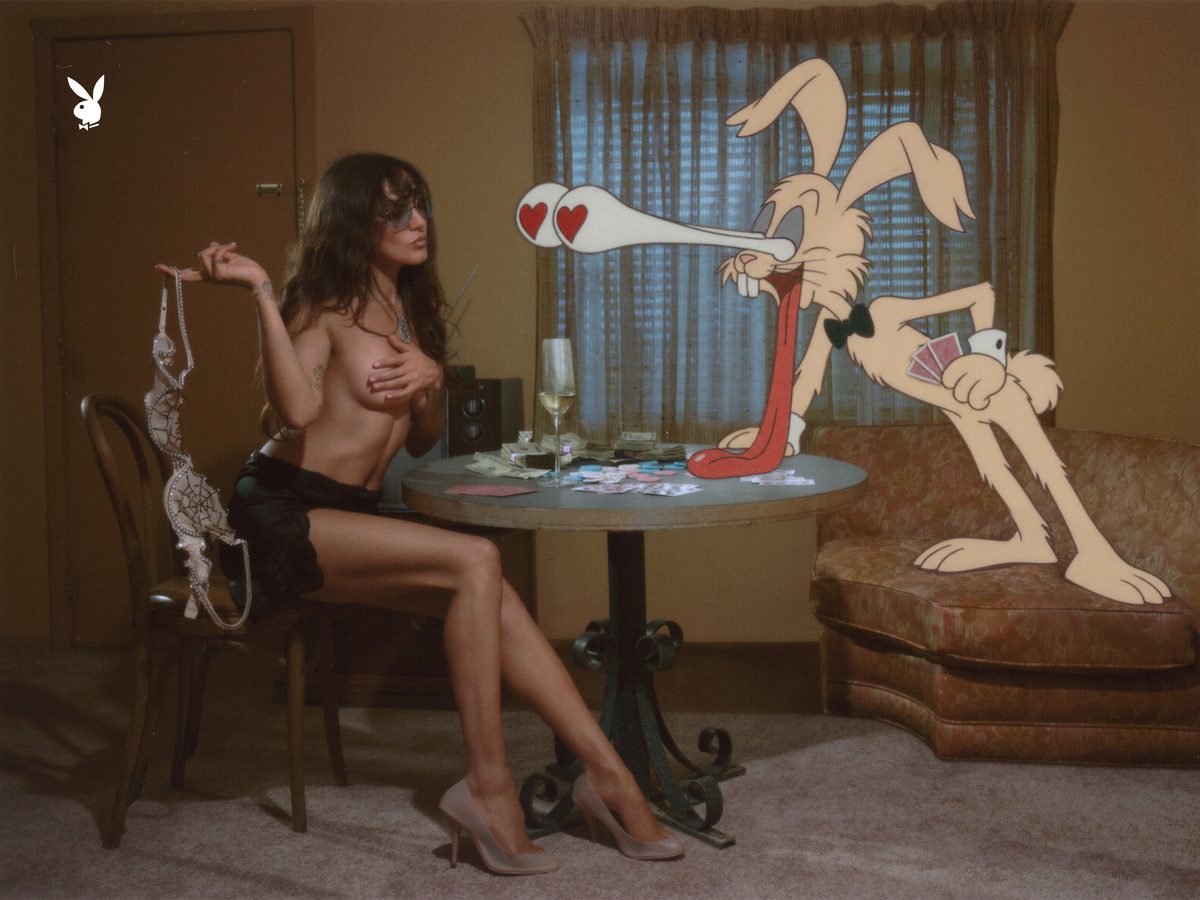
A digital cover built for the screen, a desert shoot, and a new album that puts her voice front and center — Jesse Jo Stark’s Playboy cover story is a work moment, and it arrives right alongside Muse.
Today, Playboy, one of the world’s most recognized brands, unveiled its first digital cover of the year, starring musician, designer, and Chrome Hearts creative director Jesse Jo Stark, following the release of her new album, Muse.
Photographed and animated by Éamonn Zeel Freel, the cinematic cover story was designed specifically for the digital format, blending live-action imagery with original animation. Shot in the California desert, Stark steps into the role of a femme fatale as she interacts with an animated rabbit loosely inspired by Mr. Playboy, a collage-style creation that appeared on the cover of the magazine throughout the 1950s and 1960s.
In the cover story, Stark opens up to journalist Suzy Exposito about reclaiming her identity, channeling female rage into her music, and recording at John Mayer’s studio.
Photo Credit: Éamonn Zeel Freel for Playboy
On women being admired without being heard: “Muses, and women in general, can be adored and not really heard.”
On channeling female rage into her music: “I’m angry. I feel like it’s OK to be angry, but as a woman, it’s considered ugly. There’s an intensity that isn’t understood. But I perform better if I’m mad.”
On creating Muse in a female-led environment: “I loved Doomed, but there were too many men in the room. If you were a man in that room during Muse, you were lucky.”
On keeping imperfect vocals on the album: “We kept some of the raw vocals. I’m not even on pitch. But it’s cathartic. I want a young girl to hear that and feel that.”
Read Next
Camila Cabello, Pablo Alborán and Trueno Lead the Presenters for the 27th Annual Latin GRAMMY Awards
Whitney Houston’s Voice Comes Home to Atlanta as The Voice of Whitney Reaches Symphony Hall
Mary J. Blige Partners With Primary Wave on Her Iconic Music Catalog
TIME Names Noticias Telemundo Anchor Vanessa Hauc to Its 2026 TIME100 Climate ListKylie Jenner Launches Khy “After Dark,” a 16-Piece Winter Collection Inspired by L.A. NightsMary J. Blige Partners With Primary Wave on Her Iconic Music Catalog MC Lyte Hits the Road on ‘Road to the Hall of Fame’ Tour Ahead of Rock Hall InductionRagin’ Cajuns Basketball Takes Over the Cajundome With Nine Men’s Home Dates and Eleven Women’s Home DatesCoastal Carolina Comes to Our Lady of Lourdes Stadium for the Ragin’ Cajuns Home Finale on November 21Eslabon Armado Bring the Amor Nocturno Tour to Toyota Arena in Ontario on November 25Los Gemelos de Sinaloa Close the Gemeliza Tour at YouTube Theater in Inglewood on December 12
-

 We Speak Golf2 days ago
Smotherman Chases A Third Straight Win And Teen Winner Blades Brown Headlines The Inaugural Austin Championship
-

 We Speak NBA1 day ago
NBA Roundup: Flagg Scores 43 as Mavericks Edge Pacers, Wembanyama Posts 40 and 8 Blocks in Spurs Rout
-

 We Speak Wellness & Self-Care12 hours ago
About 4,000 Steps a Day Linked to Better Thinking Scores in Older Adults
-

 We Speak Wellness & Self-Care12 hours ago
Walking More Is Linked to Lower Health Care Costs for Older Adults in Osaka Study