We Speak Entrepreneurs
Hamdi Ulukaya Started With a Closed Yogurt Plant and an SBA Loan. Chobani Just Raised $650 Million

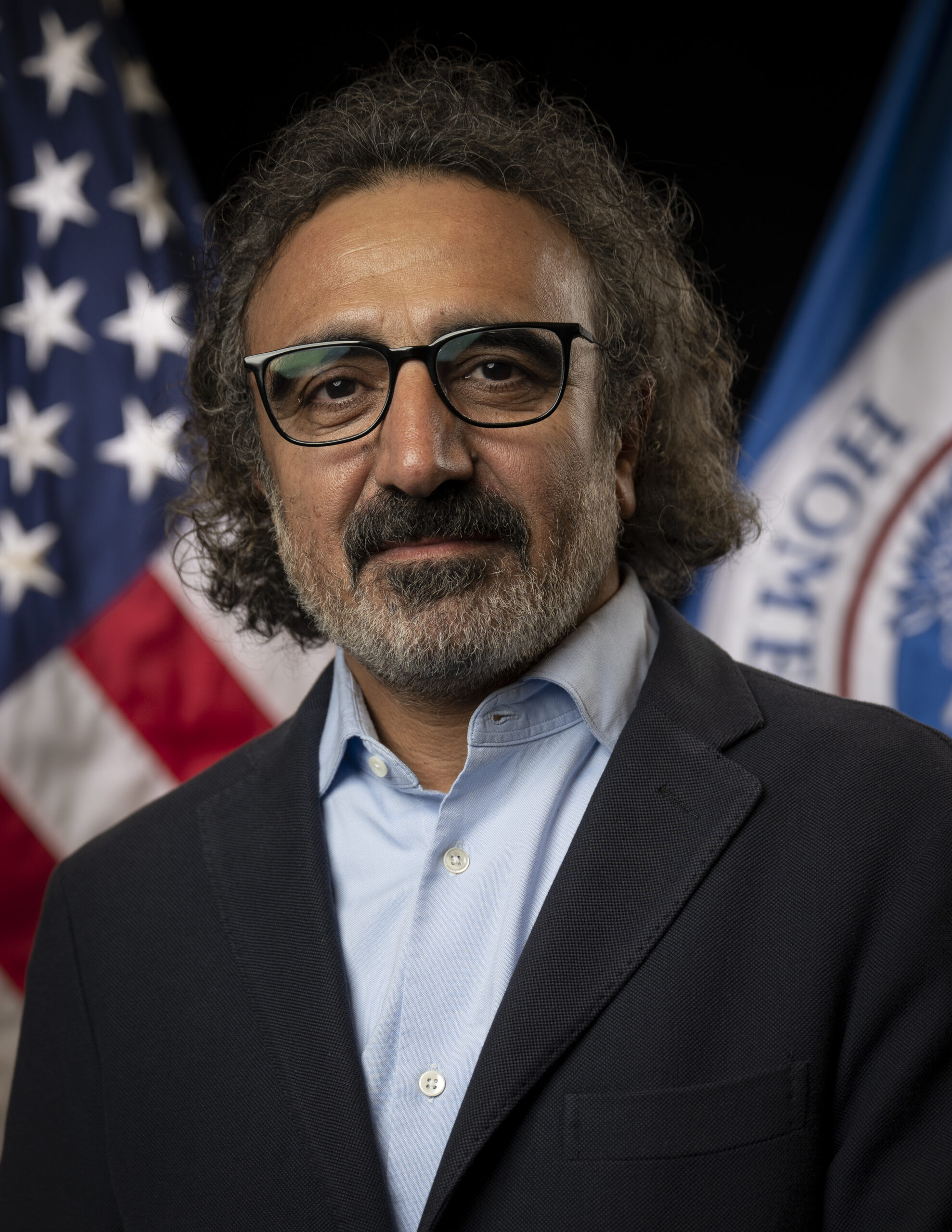
Every empire has a first room, and Hamdi Ulukaya’s was a shuttered Kraft yogurt plant in upstate New York that he bought with a government backed small business loan. Twenty years on, the Turkish immigrant who arrived in the United States in 1994 is still the majority owner of the company he built in that plant, and Chobani just raised $650 million to build even bigger ones.
Chobani announced the $650 million equity raise on October 16, 2025, at a reported $20 billion valuation. The money is aimed squarely at American factory floors. It funds the $500 million expansion of the company’s Twin Falls, Idaho plant, lifting its production capacity by half, and the new $1.2 billion dairy processing plant rising in Rome, New York, the largest plant investment in the company’s history and one expected to create more than 1,000 jobs. Together the build out tops $1.7 billion.
The numbers behind the founder explain why investors keep showing up. Chobani’s forecast net sales for 2025 were reported at $3.8 billion, up 28% on the year before, and the brand Ulukaya started to sell Greek yogurt now also owns La Colombe coffee, which it bought for a reported $900 million in 2023, and plant based meal maker Daily Harvest, acquired in 2025. Industry reporting on the company’s 2026 bond documents puts Ulukaya’s personal ownership just under 90% of the business.
The origin story matters because Ulukaya tells it as a small business story, not a finance story. He was running a small feta cheese operation when a piece of junk mail advertised the closed plant. He bought it in 2005 with roughly $800,000 in Small Business Administration backed financing, hired a yogurt master from Greece, and spent two years perfecting the recipe before the first cup sold in 2007. The founder still runs the company as CEO, still controls it, and is still building factories in the state where he started.
Read Next:
Her Majesty Queen Olori Atuwatse III to Be Featured on CNN International in Global Broadcast Airing July 11-19
Mark Hollenstein: The Art of Intentional Tension
 Lucy Guo Left Scale AI in 2018 and Kept Her Shares. At 30 She Became the Youngest Self Made Woman Billionaire While Building Passes
 Cristina Junqueira Co-Founded a Bank for 127 Million People in Brazil. Now She Moved to Miami to Build Its American One
 Ben Francis Sewed Gymshark’s First Shirts at 19. The Brand Just Opened Its First American Flagship in New York
 Pinky Cole Hayes Lost Her Own Company, Bought It Back in Six Weeks, and Handed Her First Franchise to Her Brooklyn Manager
 Salmen Rolls Past Franklinton 41-7 in LHSAA Playoff Opener at Spartan Field
 Project Hail Mary: Journey Among the Stars Is Out Now on Quest, PICO and Android XR
 Worst Class Ever Is Out Now on Steam, Turning Classroom Mischief Into 1v7 Mayhem
 Eternal Palace Sakura Launches on Steam and Nintendo Switch With Cherry-Blossom Roguelite Action
We Speak Entrepreneurs
Lucy Guo Left Scale AI in 2018 and Kept Her Shares. At 30 She Became the Youngest Self Made Woman Billionaire While Building Passes
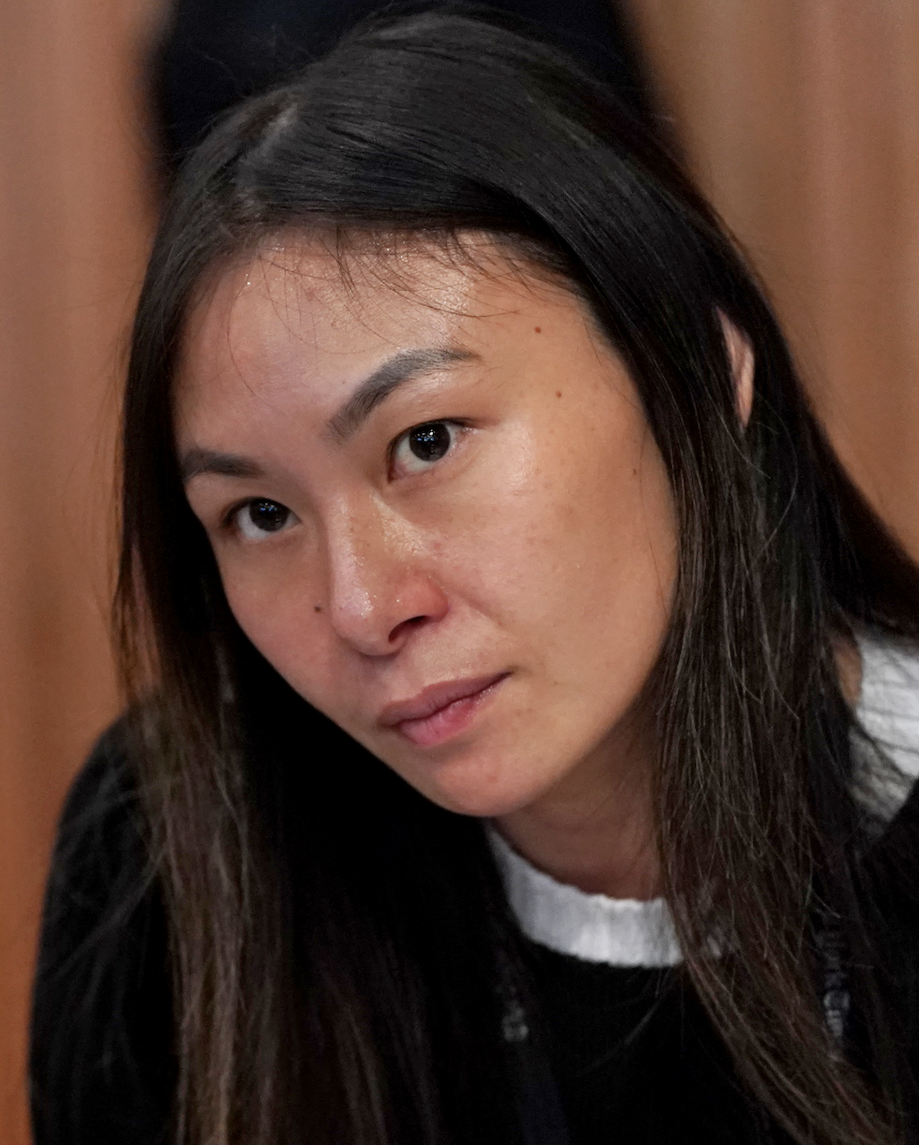
The most valuable decision of Lucy Guo’s career was the one she made on her way out the door. When she left Scale AI in 2018, two years after co-founding it, she kept her stake. In April 2025 Forbes named her the youngest self made woman billionaire in the world, and she earned the title while running a completely different company.
Guo, a self taught coder who dropped out of Carnegie Mellon on a Thiel Fellowship, co-founded Scale AI in 2016 at 21 with Alexandr Wang, who was 19. She ran operations and product design before leaving in 2018, holding on to just under 5% of the company. As Scale’s value climbed, a 2025 tender offer at a $25 billion valuation, followed by Meta’s June 2025 investment at more than $29 billion, that stake carried her net worth to an estimated $1.25 billion at age 30, passing the mark Taylor Swift had set. Forbes counted her among just six self made women billionaires on the planet under 40.
Her working days, though, belong to her second company. Guo founded Passes in 2022, a Los Angeles based platform that lets creators sell subscriptions, chats and content directly to fans in a brand safe setting. Passes has raised about $50 million across three rounds from investors including Bond Capital and Menlo Ventures, at a reported $150 million valuation, and has signed names including gymnast Olivia Dunne and Shaquille O’Neal.
The pairing is the story business students will study. One founder, two companies: the first made her rich because she kept ownership even after she left the building, and the second is the one she is still in the building for, building the creator economy platform she wants to run for the long term.
Read Next:
Her Majesty Queen Olori Atuwatse III to Be Featured on CNN International in Global Broadcast Airing July 11-19
Mark Hollenstein: The Art of Intentional Tension
Cristina Junqueira Co-Founded a Bank for 127 Million People in Brazil. Now She Moved to Miami to Build Its American OneBen Francis Sewed Gymshark’s First Shirts at 19. The Brand Just Opened Its First American Flagship in New YorkPinky Cole Hayes Lost Her Own Company, Bought It Back in Six Weeks, and Handed Her First Franchise to Her Brooklyn Manager Alexandr Wang Started Scale AI at 19 in a Y Combinator Dorm Season. Meta Paid $14.3 Billion to Bring Him In HouseSalmen Rolls Past Franklinton 41-7 in LHSAA Playoff Opener at Spartan FieldProject Hail Mary: Journey Among the Stars Is Out Now on Quest, PICO and Android XRWorst Class Ever Is Out Now on Steam, Turning Classroom Mischief Into 1v7 MayhemEternal Palace Sakura Launches on Steam and Nintendo Switch With Cherry-Blossom Roguelite Action
-

 We Speak Entrepreneurs3 days ago
Alexandr Wang Started Scale AI at 19 in a Y Combinator Dorm Season. Meta Paid $14.3 Billion to Bring Him In House
-

 We Speak Authors3 days ago
Travis Devine Goes Global: David Baldacci Sends the 6:20 Man to Australia in “All In”
-

 We Speak Movies3 days ago
Hunger Games Prequel Sunrise on the Reaping Is Tracking Toward a $100 Million Opening
-

 We Speak Hip-Hop2 days ago
Wiz Khalifa Drops New Album Cool, Made With His Hometown Producers