
We Speak Entrepreneurs
Pinky Cole Hayes Lost Her Own Company, Bought It Back in Six Weeks, and Handed Her First Franchise to Her Brooklyn Manager


Founders talk about fighting for their company. Aisha “Pinky” Cole Hayes had to buy hers back. The Atlanta restaurateur who built Slutty Vegan from a 2018 ghost kitchen into a national plant based burger brand lost ownership of it in a February 2025 restructuring, repurchased it six weeks later, and rebuilt it around a franchise model whose first owner is one of her own managers.
The facts, in her own words to Franchise Times: “I went to restructure on Feb. 13, 2025, and then I repurchased the company on March 28, 2025. We’re in September, and I’m about to announce franchising.” The restructuring, an assignment for the benefit of creditors, followed a period of rapid company owned expansion that left corporate overhead reported at $10 million in 2023 even while individual restaurants made money. At its peak the brand ran as many as 18 locations. After the buyback, Cole Hayes closed sites down to a core of about six and changed the model: growth through franchise partners instead of company owned stores, hiring Shawntel Daniels as president of the franchise division in August 2025.
The first franchised restaurant actually operating tells you what kind of founder she is. In October 2026, Slutty Vegan converted its Fulton Street store in Brooklyn into its first running franchise and named its general manager, Destiny Correa, as the owner. Correa had walked into the store just under five years earlier as a manager. Cole Hayes gifted her the location, with the company waiving both the initial franchise fee and the recurring marketing fee it would normally charge. Franchise agreements have also been signed for Washington, D.C., Detroit, Ohio and Atlanta.
Cole Hayes calls the rebuilt business Slutty Vegan 2.0. It is smaller than the empire she lost, and it is hers: owned again, franchised on her terms, and growing by making owners out of the people who run her restaurants.
Read Next:
Her Majesty Queen Olori Atuwatse III to Be Featured on CNN International in Global Broadcast Airing July 11-19
Mark Hollenstein: The Art of Intentional Tension
 Lucy Guo Left Scale AI in 2018 and Kept Her Shares. At 30 She Became the Youngest Self Made Woman Billionaire While Building Passes
 Cristina Junqueira Co-Founded a Bank for 127 Million People in Brazil. Now She Moved to Miami to Build Its American One
 Ben Francis Sewed Gymshark’s First Shirts at 19. The Brand Just Opened Its First American Flagship in New York
 Alexandr Wang Started Scale AI at 19 in a Y Combinator Dorm Season. Meta Paid $14.3 Billion to Bring Him In House
 Project Hail Mary: Journey Among the Stars Is Out Now on Quest, PICO and Android XR
 Worst Class Ever Is Out Now on Steam, Turning Classroom Mischief Into 1v7 Mayhem
 Eternal Palace Sakura Launches on Steam and Nintendo Switch With Cherry-Blossom Roguelite Action
 Benedict Rallies From 24 Points Down to Beat Kentucky State 52-45 in Overtime and Win the SIAC Championship

We Speak Entrepreneurs
Lucy Guo Left Scale AI in 2018 and Kept Her Shares. At 30 She Became the Youngest Self Made Woman Billionaire While Building Passes
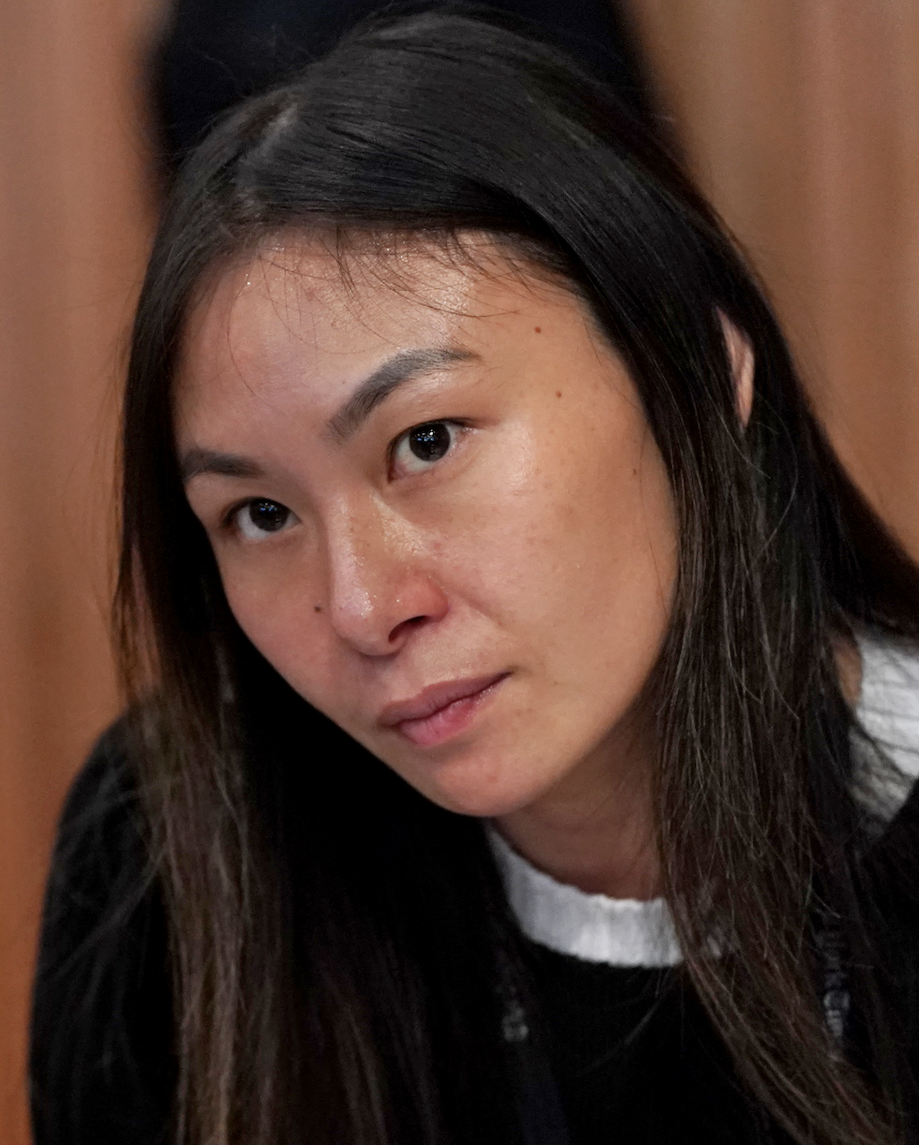
The most valuable decision of Lucy Guo’s career was the one she made on her way out the door. When she left Scale AI in 2018, two years after co-founding it, she kept her stake. In April 2025 Forbes named her the youngest self made woman billionaire in the world, and she earned the title while running a completely different company.
Guo, a self taught coder who dropped out of Carnegie Mellon on a Thiel Fellowship, co-founded Scale AI in 2016 at 21 with Alexandr Wang, who was 19. She ran operations and product design before leaving in 2018, holding on to just under 5% of the company. As Scale’s value climbed, a 2025 tender offer at a $25 billion valuation, followed by Meta’s June 2025 investment at more than $29 billion, that stake carried her net worth to an estimated $1.25 billion at age 30, passing the mark Taylor Swift had set. Forbes counted her among just six self made women billionaires on the planet under 40.
Her working days, though, belong to her second company. Guo founded Passes in 2022, a Los Angeles based platform that lets creators sell subscriptions, chats and content directly to fans in a brand safe setting. Passes has raised about $50 million across three rounds from investors including Bond Capital and Menlo Ventures, at a reported $150 million valuation, and has signed names including gymnast Olivia Dunne and Shaquille O’Neal.
The pairing is the story business students will study. One founder, two companies: the first made her rich because she kept ownership even after she left the building, and the second is the one she is still in the building for, building the creator economy platform she wants to run for the long term.
Read Next:
Her Majesty Queen Olori Atuwatse III to Be Featured on CNN International in Global Broadcast Airing July 11-19
Mark Hollenstein: The Art of Intentional Tension
Cristina Junqueira Co-Founded a Bank for 127 Million People in Brazil. Now She Moved to Miami to Build Its American OneBen Francis Sewed Gymshark’s First Shirts at 19. The Brand Just Opened Its First American Flagship in New York Pinky Cole Hayes Lost Her Own Company, Bought It Back in Six Weeks, and Handed Her First Franchise to Her Brooklyn ManagerAlexandr Wang Started Scale AI at 19 in a Y Combinator Dorm Season. Meta Paid $14.3 Billion to Bring Him In HouseProject Hail Mary: Journey Among the Stars Is Out Now on Quest, PICO and Android XRWorst Class Ever Is Out Now on Steam, Turning Classroom Mischief Into 1v7 MayhemEternal Palace Sakura Launches on Steam and Nintendo Switch With Cherry-Blossom Roguelite ActionBenedict Rallies From 24 Points Down to Beat Kentucky State 52-45 in Overtime and Win the SIAC Championship
-

 We Speak Entrepreneurs3 days ago
Alexandr Wang Started Scale AI at 19 in a Y Combinator Dorm Season. Meta Paid $14.3 Billion to Bring Him In House
-

 We Speak Movies3 days ago
Hunger Games Prequel Sunrise on the Reaping Is Tracking Toward a $100 Million Opening
-

 We Speak Authors3 days ago
Travis Devine Goes Global: David Baldacci Sends the 6:20 Man to Australia in “All In”
-

 We Speak Hip-Hop2 days ago
Wiz Khalifa Drops New Album Cool, Made With His Hometown Producers