
We Speak Actors
Interview with Leonid Andronov, author of ‘First Draft Survival Guide’

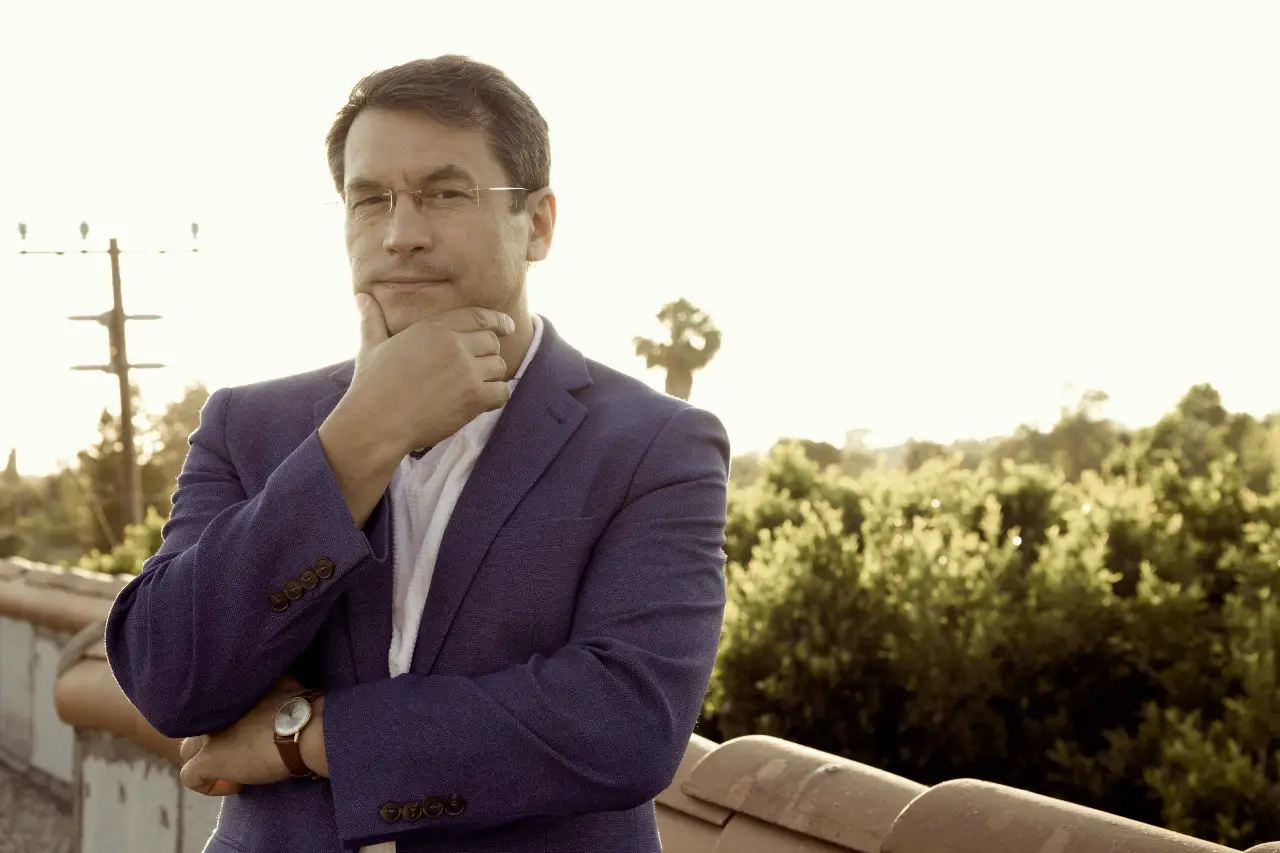
In an industry where the blank page can be the most daunting hurdle for aspiring screenwriters, Leonid Andronov offers a much-needed lifeline with his book ‘First Draft Survival Guide’. Drawing from his own experiences of struggle and self-doubt, Andronov provides writers with a roadmap to navigate the messiness of the first draft—offering practical advice, humor, and much-needed encouragement. In this interview, we dive into the inspiration behind the book, explore some of the challenges new writers face, and discuss how ‘First Draft Survival Guide’ stands apart from other screenwriting resources. Whether you’re a seasoned screenwriter or just starting out, Andronov’s candid insights are sure to inspire and motivate you through the tough stages of your creative journey.
What inspired you to write First Draft Survival Guide? Was there a specific moment when you realized this book needed to exist?
At the time, I was deep into the second part of a psychological thriller novel, and I’d been stuck for two years. Exhausted. Frustrated. On top of that, two of my scripts were under consideration, and with the holiday season approaching, I knew I wouldn’t hear back for at least a month. Waiting drives me crazy—I’m terrible at it. I needed something to keep me sane.
During one of my masterclasses, we discussed the idea of a workshop about writing a first draft. To distract myself, I started organizing my thoughts on the topic, just to stay busy. And then, almost out of nowhere, this book happened.

I wouldn’t say I had a grand realization that the book was “needed.” It was more like a sudden creative explosion. I worked like a madman—15 to 16 hours a day—and by New Year’s Eve, the first draft was done.
What’s the biggest challenge writers face when starting their first draft, and how does your book help them overcome it?
Starting is easy. You’re full of energy, inspired by your idea, and eager to dive in. The real challenge comes when you hit the middle. That’s where enthusiasm fades, self-doubt creeps in, and suddenly, the finish line feels impossibly far away.
By the second act, most writers feel stuck—unsure of how to move forward, overwhelmed by everything that still needs to come together. Even if they have a rough ending in mind, actually getting there is another story.
That’s where my book comes in. It doesn’t promise to teach you how to write a brilliant script—that’s up to your talent. But it does guide you through each stage of the process, highlighting common pitfalls and giving you tools to stay organized, focused, and motivated.
My goal is simple: to help writers survive the hardest part of screenwriting—getting through that first draft—and come out the other side with something they can build on.
You’ve mentioned laughing at your own mistakes in the book. Can you share one of the funniest or most memorable lessons you learned as a screenwriter?
Oh, I’ve got a good one.
I once made the rookie mistake of showing an unfinished script to a producer friend—just days after confidently telling a masterclass, “Never show your first draft to anyone in the industry!” I even stressed that early drafts are for you and your beta readers only.
And what did I do? I did something even dumber—I showed him a half-finished script. I was stuck, I needed feedback, and since we were good friends, I felt safe.
The moment I started reading it out loud, I felt like I was falling into an abyss. He just sat there with a poker face, and the deeper I went, the more I wanted the earth to swallow me whole. Funny enough, days earlier, we had been discussing me directing the project.
Let’s just say… nobody talks about that project anymore. Not even me. Don’t ask—I might start crying.
Your book isn’t just about writing—it’s about what comes next. Why did you feel it was important to include that “what next” section?
Many new writers think, “Okay, I’ve just written a fantastic screenplay. Where should I send it?” But the harsh truth is, nobody is sitting around waiting for your script.
The numbers say it all—back in 2020, the WGA registered over 50,000 works, yet only 25 spec scripts were purchased. Do the math.
Does that mean you should give up? Absolutely not. But it does mean you need to understand the industry. Many writers today are shifting into producing because it’s one of the best ways to bring their scripts to life. Others stick to the traditional path, but even that requires more than just a great script—you need a full package: a logline, a synopsis, sometimes a treatment, and a pitch deck.
When I was starting out, nobody explained why I needed these materials or how to use them. That’s why I included this section in the book—to demystify the process and show writers how to navigate the business side of screenwriting.

What makes First Draft Survival Guide different from other screenwriting books?
I didn’t want to write another theory-heavy textbook. Most of the screenwriting books I read early on focused on how to write a great script, using examples from Hollywood blockbusters. That’s great—but let’s be real.
When you’re starting out, are you writing the next Inception? Or are you aiming for something achievable, like an indie film?
A great script is the result of multiple rewrites. But nobody really talks about the first draft—the messy, flawed, crucial first step. My goal was to write a book that feels like a conversation with a friend—someone who’s been there, who understands how daunting the first draft can be, and who’s here to help.
And maybe I’m the only one saying this, but: Writing should be fun.
Apparently, I’m not alone in that belief—when First Draft Survival Guide became the #1 Hot New Release and later the #1 Bestseller in the Play & Scriptwriting category on Amazon, it was clear that this kind of book was exactly what writers were looking for.
If you could sum up your approach to screenwriting in three words, what would they be?
If you’re asking about how I write:
System. Research. Writing.
I’m very structured. I spend a lot of time researching and organizing my thoughts before I even start writing. And then, when I do write, I go all in. If I’m not feeling it, I wait. But when the moment comes, I work fast—sometimes finishing a draft in just two or three days.
If you’re asking about what I write:
Underdog. Drama. Visuals.
I love underdog stories. I started as a dramatist, and that love of drama has never left me. And my writing is highly visual—people often say reading my scripts feels like watching a movie. To me, that’s the highest compliment.
What do you think is the most misunderstood part of screenwriting?
For people outside the industry, screenwriting is practically invisible—and, frankly, they don’t care. The most frustrating misconception? The idea that “anybody can write.”
Some people assume that being smart or successful in another field means they can whip out a screenplay if they feel like it. Well, they’ve clearly never tried.

There’s also this ridiculous notion in filmmaking circles that, when it comes to financing, a script is only worth the price of the paper it’s printed on. It’s absurd. Without a script, there’s no movie. Maybe that’s why we end up with so many garbage films.
Many writers struggle with procrastination and self-doubt. How does your book address these hurdles?
When you’re stuck, it’s easy to spiral into self-doubt. Writers are naturally self-critical, and that can be paralyzing. I’ve been there—I know how miserable it can feel.
In my book, I focus on tools to help writers relax, rekindle their inspiration, and even prevent those blocks from happening in the first place. One of the most interesting ideas I explore is the inner child—understanding how to communicate with it and why it’s crucial for creative work.
For writers unfamiliar with this concept, it can be a real game-changer.
What do you hope readers take away from First Draft Survival Guide—not just as writers, but as creatives?
Any creative process is still a process. It’s not easy, and sometimes it feels like torture.
My hope is that this book gives writers the tools and perspective to push through the hard parts—but also to find joy in the journey.
Fetured photo credit: Jose D. Rodriguez




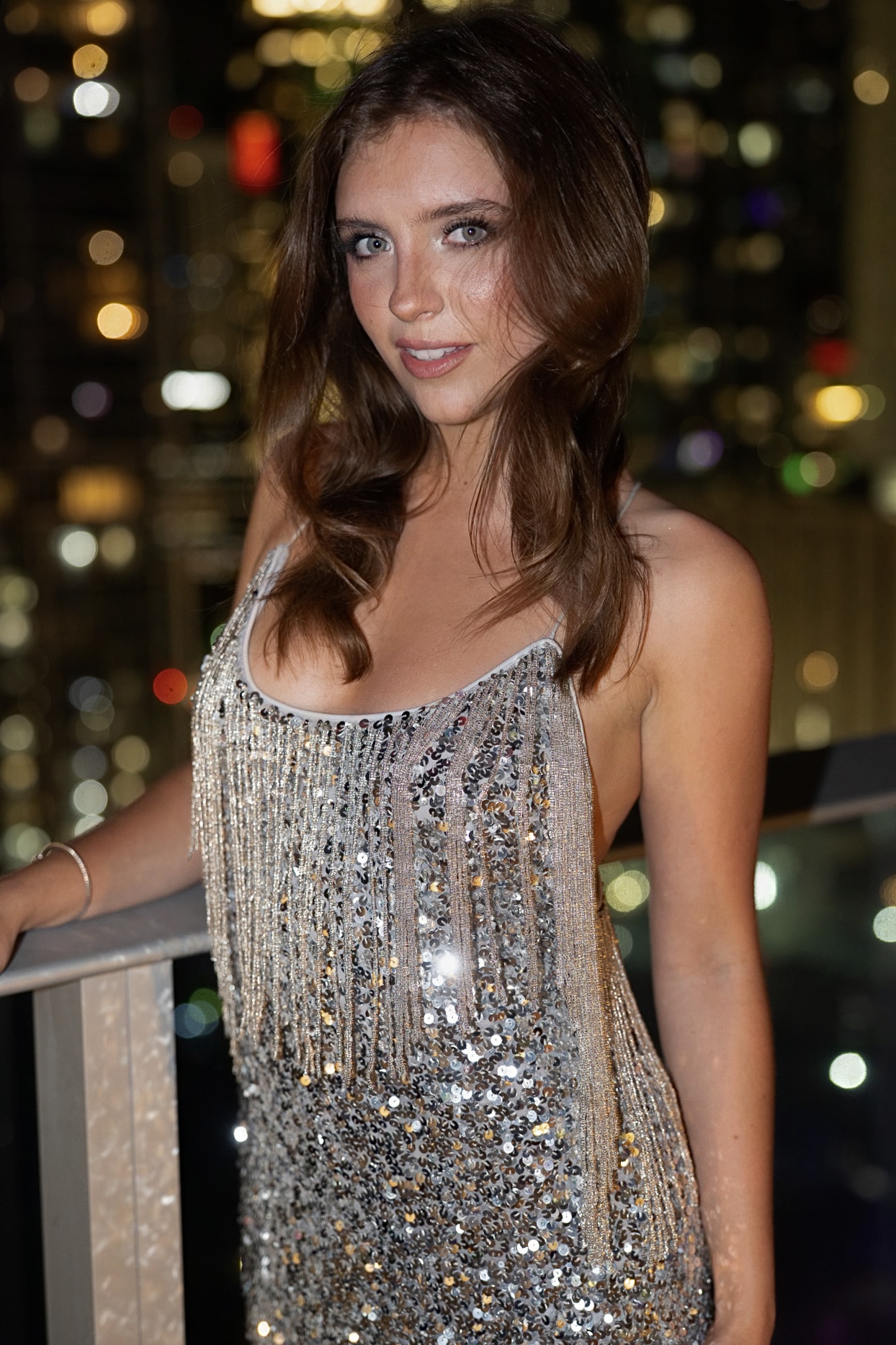

In April, singer-songwriter and actress Alivia Clark released the breathtaking single, “Breathless.” The budding songstress now closes out the summer and kicks off the fall with “Dancing In Circles.” The Dance-Pop anthem is marked by its pulsating, intoxicating rhythm and Alivia Clark’s polished, sultry vocals.
“Dancing In Circles” is a groove-led up-tempo record that is fun and uber-catchy. The euphoric song’s sensual vibe accentuates the track’s theme of blissful yet wary seduction and temptation. “‘Dancing In Circles’ explores the push and pull of attraction and is about being stuck in a cycle with someone that you know isn’t good for you, but the chemistry makes it impossible to let go.” Alivia Clark continues, “There’s something so addictive about that feeling, you know that you’re going around in circles, but part of you doesn’t want to stop.”
-
We Speak Music1 week ago
Mel D makes bittersweetness glow with magnetic new single ‘ORANGE’
-

 We Speak Music1 week ago
Kazimi Shines In New Single ‘Errant Nodes’
-
We Speak Music1 week ago
The Falling Doves release ‘Blinded By Your Love’ ahead of UK, Europe & US tour
-

 We Speak Music1 week ago
Karabo Unleashes New Single ‘Only 4 U’