
We Speak Music
Jason Werkman ‘Revival’ Is An Anthem for the Heart and Soul

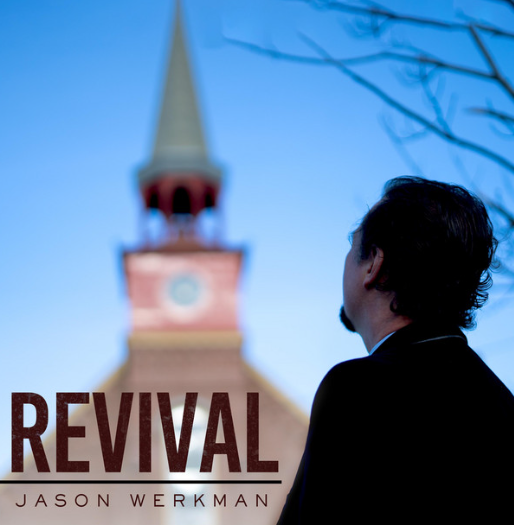
Jason Werkman’s ‘Revival’ is not just a single; it’s an experience. Rooted in raw emotion and framed by a dynamic blend of pop, rock, and country, the track captures the essence of what it means to endure life’s toughest moments and emerge stronger. It’s a heartfelt anthem for anyone who’s ever felt lost and found their way back.
The song’s lyrics are deeply moving, drawing from Werkman’s own experiences with grief and renewal. Lines like “I was broken, but love rebuilt me” are simple yet profound, speaking directly to the listener’s soul. It’s clear that every word was chosen with care, and the result is a narrative that feels both intimate and universal.
Sonically, ‘Revival’ is a testament to Werkman’s artistry. The track begins with a tender acoustic arrangement, gradually building to a powerful crescendo that mirrors the emotional journey it describes. The interplay of piano, guitar, and percussion creates a sound that is both rich and uplifting, while Werkman’s vocals deliver every note with passion and authenticity.
What sets ‘Revival’ apart is its spiritual undercurrent. While faith is a central theme, the song never feels heavy-handed. Instead, it offers a message of hope that transcends religious boundaries, reminding listeners of the strength that comes from love, perseverance, and belief in something greater.
In ‘Revival’, Jason Werkman has crafted a song that is as beautiful as it is meaningful. It’s a reminder that even in our darkest hours, there is light to be found—and that music has the power to guide us there.



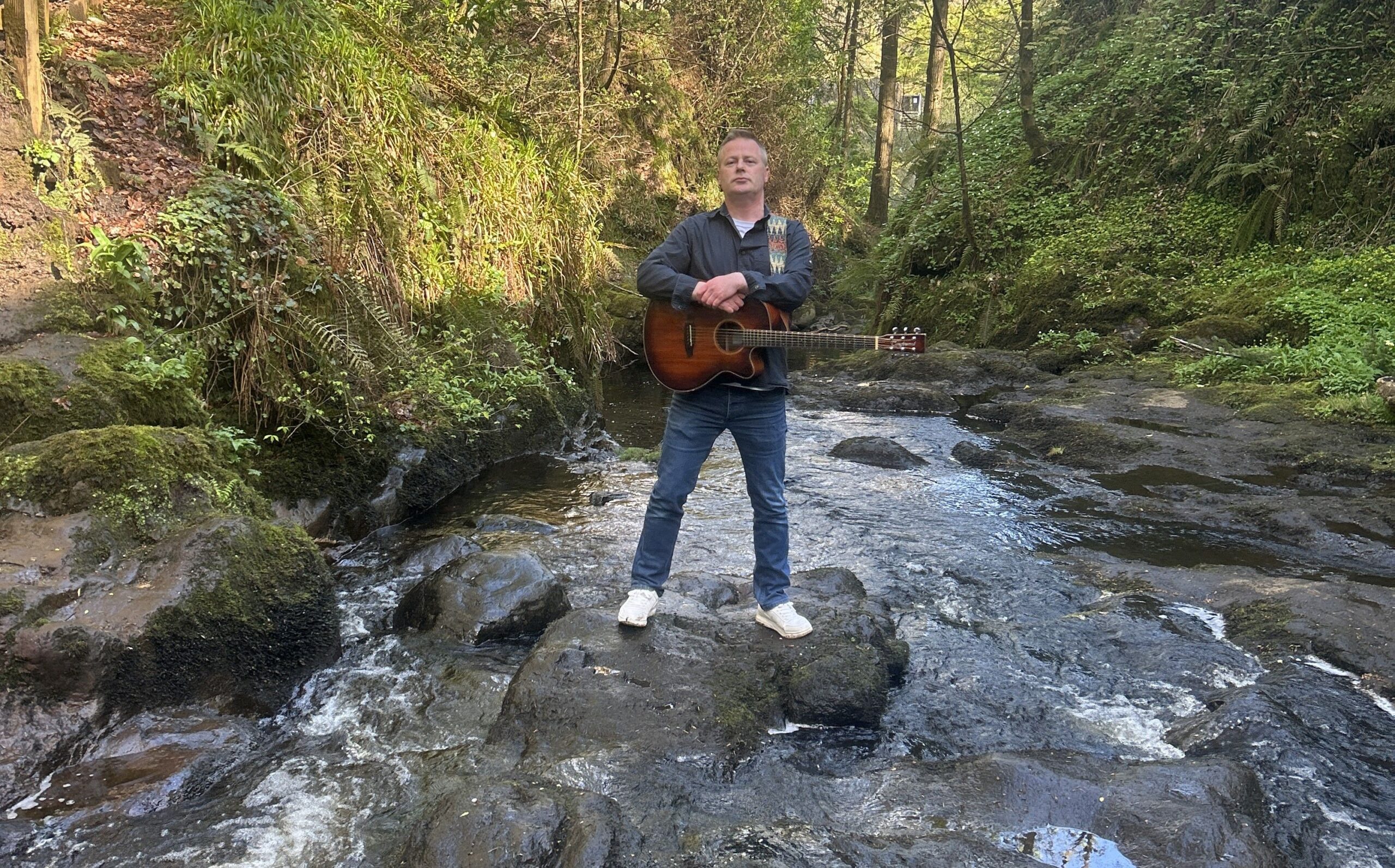
It is easy to see why a songwriter might be drawn to a story like this. Relationships rarely finish as neatly as people would like, and the space between “it is over” and “maybe we should try again” can produce plenty of material. For Dysmusia, that space becomes the setting for latest single “In your eyes”, out now through Now Listen.
The Irish singer-songwriter has a knack for keeping his writing close to everyday life, and this track benefits from that approach. He looks at an old relationship that has already gone through several attempts at making things work, then focuses on what happens when those feelings start creeping back in.
What makes the song appealing is the balance between sincerity and a lighter touch. Dysmusia is clearly invested in the situation, but he does not turn every moment into a grand declaration. There is room for a bit of humour and hesitation along the way, which keeps the song feeling natural.
The arrangement gives the song a pleasing lift. Acoustic guitar sits at the heart of it, with the dropped tuning adding some richness and a second guitar bringing extra colour. The result has folk at its core but carries enough indie-rock influence to give it a little extra punch.
Dysmusia’s Irish background is another part of the picture. Based between Antrim and Dublin and coming from a musical family, he has developed a style that puts storytelling alongside contemporary guitar sounds.
“In your eyes” brings those influences together without making a fuss about them. It is a personable, melodic track about feelings that refuse to follow a neat timetable, delivered with enough warmth to make the story easy to get behind.
-
We Speak Music1 week ago
NP York releases powerful new indie single ‘As bold as a heart’!
-

 We Speak Hip-Hop1 week ago
Omen44’s “Land of Plenty” Delivers Substance in a World Full of Noise (Video)
-
We Speak Music1 week ago
Wes Banderson celebrate the music of Wes Anderson films with four special UK shows this September!
-

 We Speak Hip-Hop1 week ago
Chuck Platinum Continues Building His Legacy With Beats in the Attic Volume 4