
We Speak Music
Julia Sommerfield Arrives With A Cinematic Debut With ‘Ratata’


Some debut singles introduce an artist. Others introduce an entire world. With “Ratata,” Julia Sommerfield firmly belongs in the latter category, crafting a hauntingly atmospheric debut that feels as intimate as a diary entry and as expansive as a film score. Blending indie pop sensibilities with alternative textures and deeply introspective lyricism, the Los Angeles-based artist arrives with a striking sense of identity already intact.
“The girl described in the song is the illness itself,” Sommerfield explains. “She seems perfect; you’re taken in by her, consumed by her. But the song asks: ‘Would you ever believe her when she tells you the truth?’ It’s about recognising what’s harming you and choosing to fight back.”
Originally from Seattle and now studying Writing for Screen and Television at the University of Southern California, Sommerfield’s relationship with storytelling stretches far beyond music. Her creative instincts have expanded into novels and screenplays, but songwriting remains the emotional core of her artistry. That cinematic perspective can be felt throughout “Ratata,” a track that unfolds less like a conventional pop song and more like a fever dream suspended between vulnerability and resilience.
Written during her recovery from a serious illness, “Ratata” transforms personal pain into poetic metaphor. Rather than confronting the experience literally, Sommerfield personifies the illness as an alluring yet destructive force, one that seduces, consumes, and threatens to overpower. The emotional tension between surrender and survival pulses through every line, giving the track a rawness that feels deeply lived-in rather than performative.
Sonically, the single thrives in atmosphere. Produced alongside Brian Squillace, “Ratata” drifts through eerie vocalisations, hypnotic textures, and shadowy production flourishes that mirror the emotional instability at the song’s centre. Echoes of Billie Eilish’s dark minimalism and Lizzy McAlpine’s emotional candour are present, but Sommerfield’s approach feels distinctly cinematic, rooted in storytelling as much as melody.
There’s also a quiet confidence to the way Sommerfield presents herself. A former band student now pursuing a minor in songwriting at USC’s Thornton School of Music, she balances technical understanding with emotional intuition. This summer, she’ll take another significant step in her journey when she travels to London to perform with her band, Andromeda, a fitting next chapter for an artist whose ambitions already feel international in scope.
With “Ratata,” Julia Sommerfield doesn’t simply announce her arrival; she establishes the emotional and artistic blueprint for what’s to come. It’s a debut rich with vulnerability, imagination, and cinematic depth; the kind of first impression that lingers long after the final note fades.
“Julia Sommerfield is an extraordinary new voice in indie pop. Her debut single ‘Ratata’ is both haunting and empowering, showcasing a rare blend of cinematic storytelling, emotional depth, and artistic authenticity. She is truly an artist to watch,” shares music publicist Danielle Holian, Decent Music PR



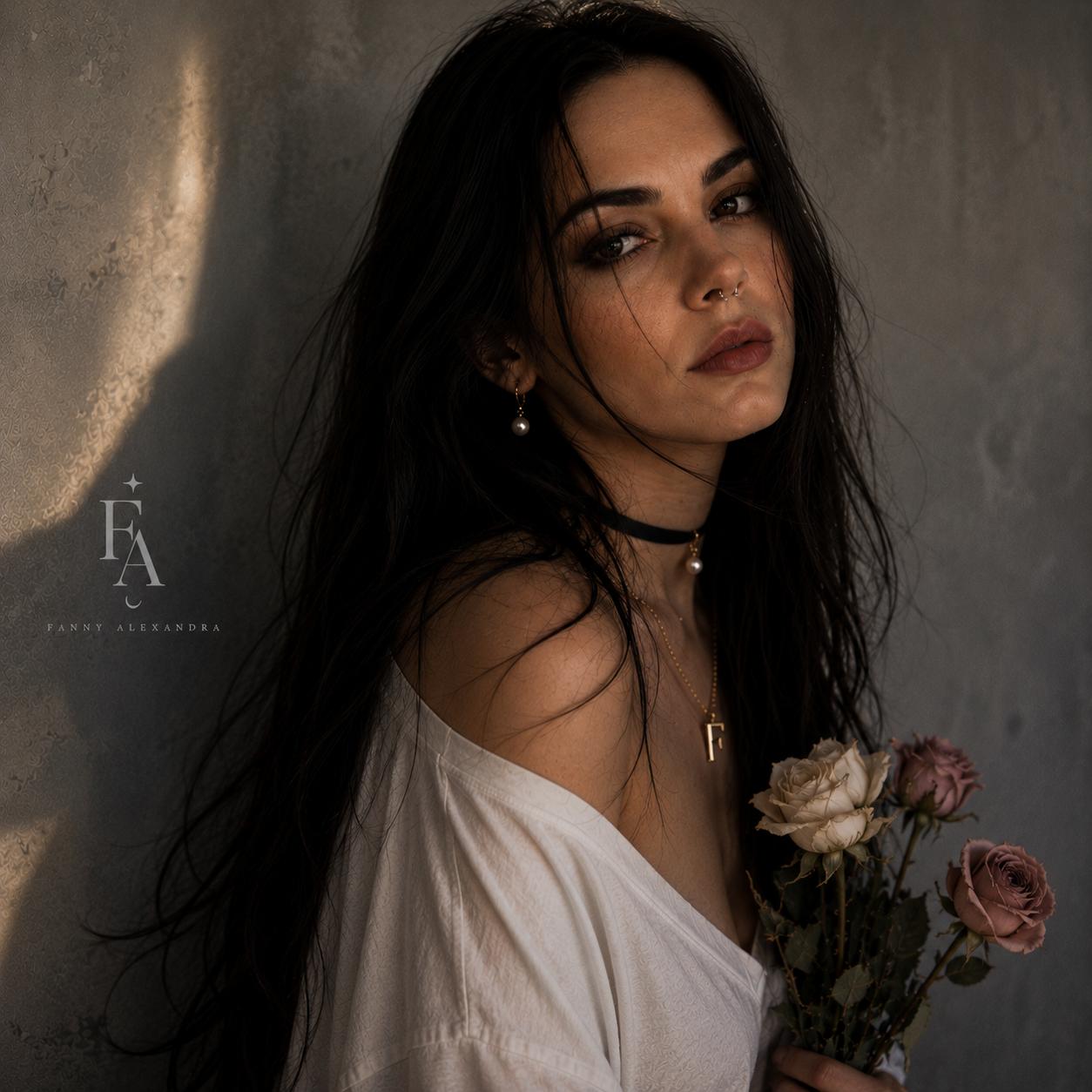
Swiss artist Fanny Alexandra returns with “Black Pearl Summer”, a new single that finds her exploring a more open side of her alternative sound. Released via Now Listen, the track combines coastal imagery with a story about growing through grief, pressure and the experiences that can shape a person over time.
Alexandra notes that the song is relatively summery by her own standards. She has said that her music is usually darker and that she has never been particularly drawn to the typical idea of summer, preferring cold air, jackets and rugged coastlines. That gives the release a clear sense of personality from the outset.
The song centres on Alexandra’s reflections on being 19 and spending years focused on survival rather than fully living. Those experiences are presented through the image of a black pearl, which becomes a way of considering how something worthwhile can emerge from a challenging period.
What makes the track particularly effective is the balance between its subject matter and its musical approach. The production gives the song room to breathe, while Alexandra keeps the focus firmly on the story she is telling. It means the track can be enjoyed as a seasonal release while still offering more to discover in the lyrics.
There is also a clear sense of change in the way Alexandra approaches her younger self. The song is not about returning to that period or trying to erase it. Instead, it considers what can be learned from experiences that once felt overwhelming.
“Black Pearl Summer” therefore offers newcomers a useful introduction to Alexandra’s work. It shows an artist comfortable writing about serious subjects, while also demonstrating a lighter musical side that may not be as familiar to listeners who know her darker material.
It is an interesting glimpse of what Alexandra can do when she lets a little more light into the picture.
-

 We Speak Music1 week ago
ADRIANNA Gets Two Very Different Lives From ‘Power Back’
-

 We Speak Music1 week ago
B BWOY BILLO AND MÖ THA TRUTH BRING EMOTION, BARS AND BROTHERHOOD TO GHANA’S RAP FUTURE
-

 We Speak Business5 days ago
Funl Raises $2.5 Million at a $10 Million Post-Money Valuation to Transform How Creators Bring Events to Life
-

 We Speak Hip-Hop6 days ago
Ghost Da Lyrical returns with Taylor Made Ghost