
We Speak Entertainment
It Looks Like There Will Be A ‘Coming To America’ Sequel!


It looks like Hollywood has finally listened to the people.
Paramount Pictures has hired the two men who wrote the original script for Coming To America to write a sequel for the 1988 classic, according to The Hollywood Reporter.
Recently, a fake Eddie Murphy Twitter account trolled us by hinting at a potential sequel. Murphy, of course, played Prince Akeem, the lovable royal who moves to America from the fictional Zamunda to find his true love. But it is not yet clear if he will be attached to the new project, which is still early in development.
We’d love to see the whole cast, from Arsenio Hall and Vanessa Bell Calloway to Eriq La Salle and James Earl Jones, reprise their roles today.
The movie was the third-highest-grossing film in the U.S. in 1988 and was nominated for two Oscars.
We are ready for it!


We Speak Entertainment
Rocky Kramer’s Rock & Roll Tuesdays Presents “The Black Parade” On Tuesday, October 13th, 2026 7 PM PT on Twitch

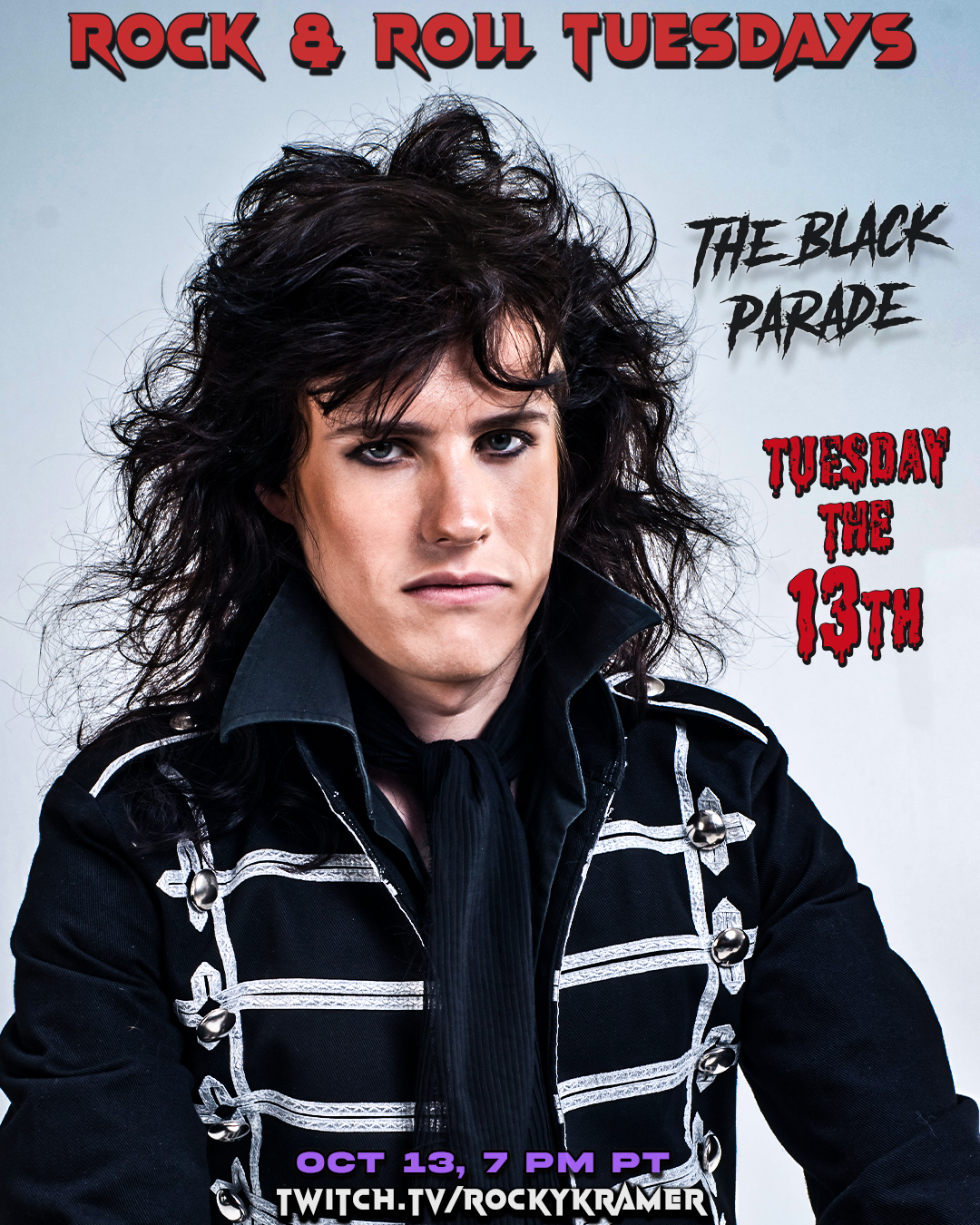
Rocky Kramer will be hosting “The Black Parade” on this week’s episode of Rocky Kramer’s Rock & Roll Tuesdays on Twitch. Tune into Twitch on Tuesday, October 13th, 2026 at 7 PM PT for this amazing show.
Rocky Kramer is a guitar virtuoso, often being compared to the greatest guitar players in the world. Rocky has performed on shows with some of the greatest musicians on the planet including Ozzy Osbourne, John Lodge, Steve Vai, Leland Sklar, Kenny Aronoff, Tommy James, Verdeen White, Ten Years After, BuckCherry, Rick Wakeman and more.
Rocky’s first studio album, “Firestorm” is now available worldwide through Allied Artists Music Group, together with an epic music video of his #1 Global DRT Chart topper single, “Rock Star”, that also picked up a Best Rock Performance nod at the 2019 Hollywood Music In Media Awards (“HMMA”).
Rocky Kramer recently returned to the studio to record his sophomore album “Alone In The Rain” which will be released soon!!!

Rocky Kramer was recently cast in The Mutt Productions/ Allied Artists rock n’ roll time travel comedy adventure “Rockin’ In Time” where he will play the film’s lead character, Lars Olsen. The film is being directed by Aaron Lee Lopez (of the “Teenage Girl” franchise) and is being produced by multi-platinum and six-time Grammy Award winning musician turned motion picture producer, Kurt Wipfli.
Rocky Kramer is now the new lead guitarist in Prescott Niles’ new revival of the legendary band The Knack. Known worldwide for their smash hit “My Sharona,” The Knack helped define the sound of late-1970s power pop and rock. Decades later, the band’s influence continues to resonate with fans and musicians across generations. With Rocky Kramer now joining the lineup, the band is poised to introduce that legacy to a new era of audiences while honoring the spirit that made them legendary.
Watch Rocky Kramer’s “Rock Star” Music Video here:
Watch Rocky Kramer’s Rock & Roll Tuesdays “The Black Parade” on October 13th, 2026, at 7 PM PT on Twitch here:
http://www.twitch.tv/rockykramer
The official website for Rocky Kramer may be found at http://www.RockyKramer.com
Visit Rock & Roll Tuesdays with Rocky Kramer on IMDB here:
-

 We Speak Music1 week ago
National Gospel Recording Artist Ellen Hayes Announces the Release of Her Farewell Album, Behind My Eyes
-
We Speak Music1 week ago
Mel D makes bittersweetness glow with magnetic new single ‘ORANGE’
-

 We Speak Music1 week ago
Kazimi Shines In New Single ‘Errant Nodes’
-

 We Speak Music1 week ago
Karabo Unleashes New Single ‘Only 4 U’