
We Speak Entertainment
“QUEEN SUGAR” Returns With Two-Night Mid-Season Premiere – October 3 & 4 on OWN

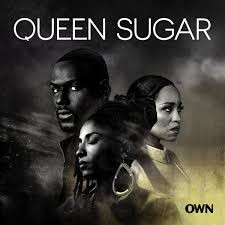
“Queen Sugar” debuted its second season on OWN (June 20) with its highest-rated episode ever in key adult and female demos. Year to date, “Queen Sugar” is one of the Top 5 original scripted series on ad-supported cable in W25-54 in Live+3. It is Wednesday night’s #2 original scripted cable series for W25-54 and one of the Top 4 original scripted cable series for African-American women and total viewers. The series is averaging over 2.3 million total viewers in Live+3 and is consistently one of the most talked-about shows on social media.
In the upcoming episodes of the series, Charley (Dawn-Lyen Gardner, “Unforgettable”) receives an unexpected visit from her mother (Sharon Lawrence, “NYPD Blue”) and the two finally have a revealing heart-to-heart about Charley’s upbringing. Darla (Bianca Lawson, “Rogue”), takes a huge step in mending her family estrangement by reaching out to share the news of her engagement to Ralph Angel (Kofi Siriboe, “Girls Trip”). Meanwhile, Aunt Violet’s (Tina Lifford, “Parenthood”) condition worsens, and Micah (Nicholas L. Ashe, “Are We There Yet?) finally comes to terms with his emotions surrounding his traumatic encounter with a police officer. Plus, Nova’s (Rutina Wesley, “True Blood”) Zika story causes great concern in the community.




We Speak Entertainment
OFFICIAL TRAILER RELEASED FOR “CALL ME MICKY,” EXECUTIVE PRODUCED BY DOMINIQUE JACKSON

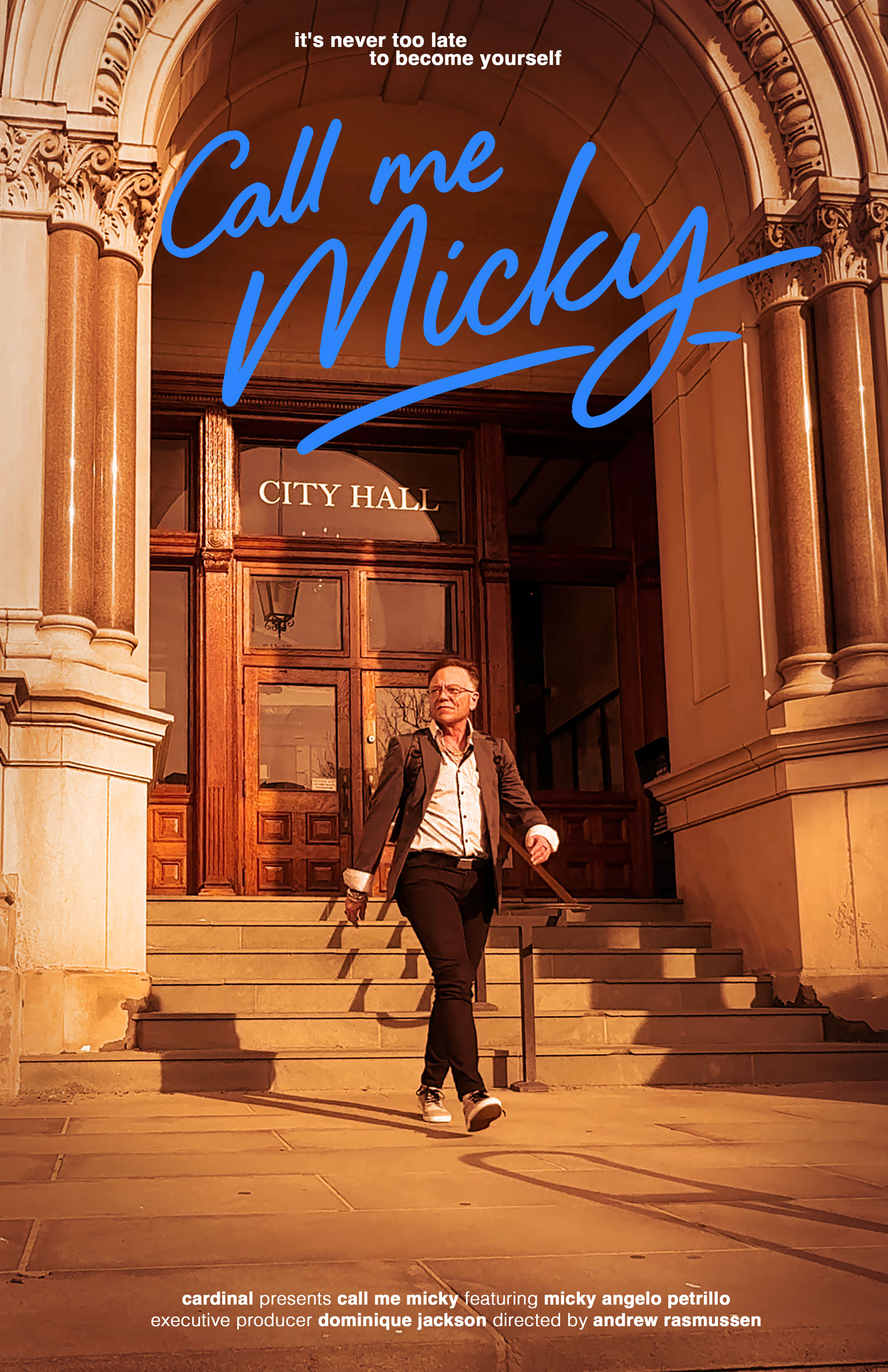
New 22-minute documentary short follows Micky Angelo Petrillo after transitioning at 59, with the acclaimed POSE star helping bring his story to the screen
FOR IMMEDIATE RELEASE — NEW YORK: The official trailer for CALL ME MICKY, a new documentary short Executive Produced by acclaimed POSE star Dominique Jackson and directed by Andrew Rasmussen, has been released on YouTube ahead of the film’s upcoming festival run.

The 22-minute documentary follows Micky Angelo Petrillo, a larger-than-life New Jersey native who transitioned at 59 and is now discovering what comes next.
Rather than presenting transition as the conclusion of Petrillo’s story, CALL ME MICKY focuses on the life unfolding afterward — through Pride celebrations, open mics, friendships, storytelling and Petrillo’s increasingly public embrace of the man he fought decades to become.
Jackson also appears in the film, joining Petrillo for an intimate on-camera conversation about identity, visibility and what it means to finally live openly as yourself.

Internationally recognized for her commanding portrayal of Elektra on FX’s groundbreaking series POSE, Jackson is an actress, model, activist and producer who also served as an Executive Producer of the acclaimed documentary I’M YOUR VENUS, which premiered at the Tribeca Festival.
Petrillo is the author of the memoir Walking the Earth: First as a Woman, Then a Man.
While CALL ME MICKY captures one chapter of Petrillo’s much larger story, the film offers an intimate portrait of a man discovering that becoming yourself is not the ending — it may only be the beginning.

CALL ME MICKY is produced by CARDINAL, a New York City–based creative production company, and directed by CARDINAL co-founder Andrew Rasmussen.
The film begins its festival run this fall, with additional screenings and festival announcements forthcoming.
Watch the official trailer for CALL ME MICKY:
For more information, visit https://www.CallMeMickyFilm.com
.
-

 We Speak Events6 days ago
HOT ROD Power Fest Brings Two Days Of Horsepower To Atlanta
-

 We Speak Music1 week ago
Host Bodies’ track ‘On A Roll’ Gets a Psychedelic Reinvention from Soul Glitch
-

 We Speak Music4 days ago
Reggie Benjamin Reimagines The Classics On Harmony In Blue: The Duets
-

 We Speak Actors1 week ago
Actress Amber Lily Butterworth on Her Growing Career in Film