
We Speak Music
maq 22 Collapses Genre and Mythology on the Bold ‘MUNINN’

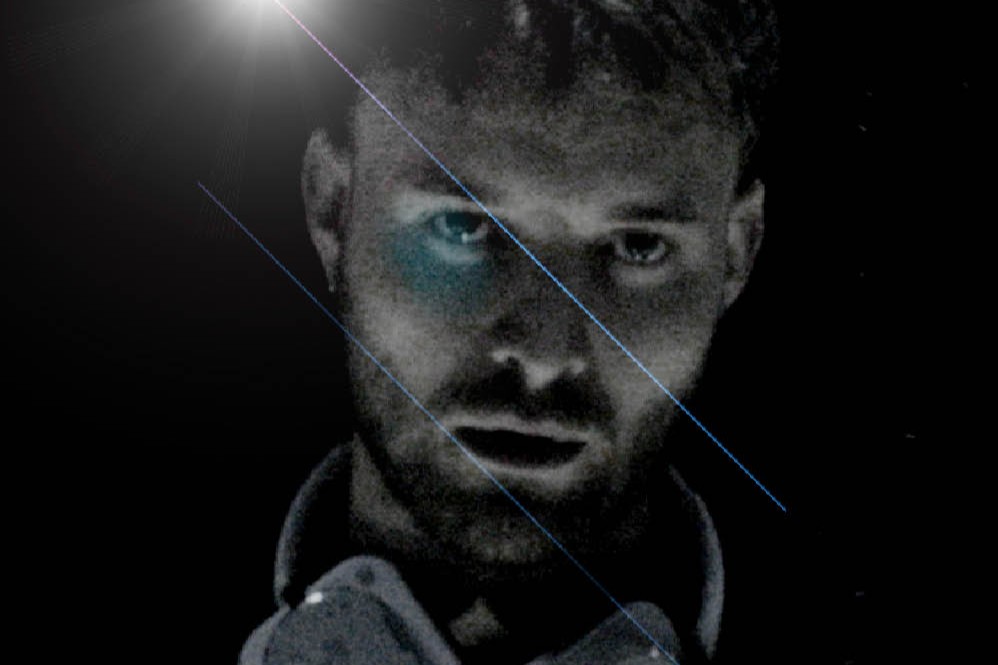
If music is memory, then MUNINN is a vivid excavation of the subconscious. On his new EP, rising experimental artist maq 22 fuses Electronic Rap with Hyperpop in a bold, genre-defying tapestry that feels simultaneously futuristic and intimately personal. Named after one of Odin’s ravens—the embodiment of mind and memory—the six-track project is less a conventional release than a guided descent into sound, myth, and introspection.
The opening track, “Burn The Sigil”, immediately sets the tone. Metallic percussion and ritualistic synths create a sense of incantation, as if the listener is stepping into a sacred circle. It’s a striking introduction, a sonic ritual that embodies intention, release, and the catharsis of creation. From the first beat, maq 22 signals that this EP will be as much about atmosphere and experience as it is about lyricism.
Central to MUNINN’s cohesion is the collaboration with Russian producer Tiresss, who produced five of the six tracks. His production is sharp, layered, and restless—an ideal canvas for maq 22’s elastic vocals, which move effortlessly between aggression, vulnerability, and hypnotic flow. The synergy between artist and producer transforms each track into a living organism, where beats, distortion, and melody interact as though in dialogue. On “Europa”, produced by Hellnah and Pastelfuneral, icy textures shimmer over maq 22’s urgent delivery, the song’s cosmic metaphors expanding the EP’s emotional and conceptual scope. Jupiter’s moon becomes more than imagery; it is a vessel for self-discovery and hidden depths.
What sets MUNINN apart is its balance of cerebral and visceral elements. maq 22 wrestles with themes of fear, desire, love, and existential uncertainty, often layering distorted vocal lines over dystopian textures. The mythology embedded in the EP is never ornamental; it functions as metaphor, lens, and mirror. Even in his engagement with symbols historically co-opted by extremist ideologies, maq 22 reclaims their resonance, grounding the EP in personal and cultural reflection rather than mere aesthetic flourish.
Despite its experimental edges, MUNINN maintains an emotional immediacy. Tracks pulse with kinetic energy while retaining a sense of introspective space, inviting listeners to inhabit both the chaos and the calm. Freestyle energy and improvisational vocal turns add unpredictability, ensuring that the EP never feels static. It’s this tension—between structured production and spontaneous expression, myth and personal history—that gives the project its magnetic pull.
MUNINN is brief, yet monumental. In six tracks, maq 22 constructs a world where ravens circle above neon-lit ruins, memory and mythology collide, and sound becomes ritual. The EP is not just a statement of artistic intent; it is a lived, breathing experience. With MUNINN, maq 22 proves himself unafraid to collapse genres, challenge listeners, and transform personal narrative into something expansively universal. It’s music that asks for attention, rewards contemplation, and lingers long after the final beat fades—a rare, immersive work from one of experimental rap’s most exciting emerging voices.



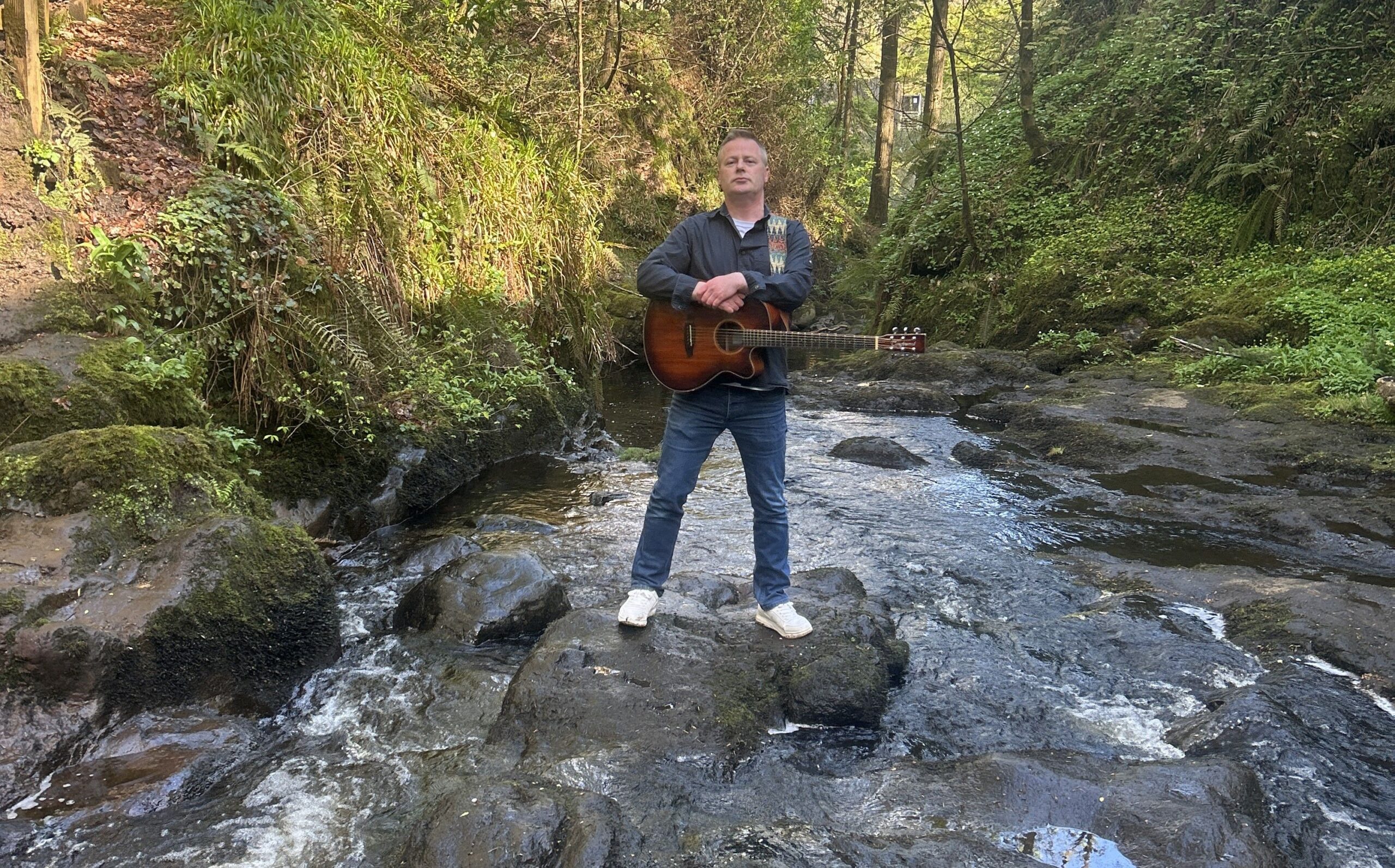
It is easy to see why a songwriter might be drawn to a story like this. Relationships rarely finish as neatly as people would like, and the space between “it is over” and “maybe we should try again” can produce plenty of material. For Dysmusia, that space becomes the setting for latest single “In your eyes”, out now through Now Listen.
The Irish singer-songwriter has a knack for keeping his writing close to everyday life, and this track benefits from that approach. He looks at an old relationship that has already gone through several attempts at making things work, then focuses on what happens when those feelings start creeping back in.
What makes the song appealing is the balance between sincerity and a lighter touch. Dysmusia is clearly invested in the situation, but he does not turn every moment into a grand declaration. There is room for a bit of humour and hesitation along the way, which keeps the song feeling natural.
The arrangement gives the song a pleasing lift. Acoustic guitar sits at the heart of it, with the dropped tuning adding some richness and a second guitar bringing extra colour. The result has folk at its core but carries enough indie-rock influence to give it a little extra punch.
Dysmusia’s Irish background is another part of the picture. Based between Antrim and Dublin and coming from a musical family, he has developed a style that puts storytelling alongside contemporary guitar sounds.
“In your eyes” brings those influences together without making a fuss about them. It is a personable, melodic track about feelings that refuse to follow a neat timetable, delivered with enough warmth to make the story easy to get behind.
-
We Speak Music1 week ago
NP York releases powerful new indie single ‘As bold as a heart’!
-

 We Speak Hip-Hop1 week ago
Omen44’s “Land of Plenty” Delivers Substance in a World Full of Noise (Video)
-
We Speak Music1 week ago
Wes Banderson celebrate the music of Wes Anderson films with four special UK shows this September!
-

 We Speak Hip-Hop1 week ago
Chuck Platinum Continues Building His Legacy With Beats in the Attic Volume 4