
We Speak Music
Visa Anxiety Find Meaning in Motion on ‘What Can I Get For You? Love’


Visa Anxiety are exactly the kind of band NME loves: globally minded, emotionally direct, and unafraid to interrogate the reality beneath youthful ambition. What Can I Get For You? Love, is a debut EP that sounds like it was built in transit — scribbled between flights, shifts, and cities — and that’s precisely its strength.
There’s an immediacy to the band’s songwriting that cuts through polish. These songs don’t posture; they confess. Migration, identity, and early adulthood aren’t treated as abstract ideas but as daily negotiations — where am I, who am I becoming, and how do I pay rent while figuring that out?
“Closed Eyes” is a standout opener, pairing British-indie guitar lines with Mandarin lyricism that deepens the song’s emotional reach. It’s about choosing to step into your life rather than observing it passively — a theme that resonates across the EP’s four tracks without ever feeling overstated.
The title track captures the strange poetry of service work. Inspired by Emilio’s bartending nights at Liverpool’s Cavern Club, it’s both grounded and philosophical — exploring the gap between performer and stranger, artist and job, history and now. It’s a clever, quietly devastating reflection on creative survival.
By the time “Summer Is Coming” rolls in, Visa Anxiety have earned their optimism. Drawing on LA memories, the closing track feels like emotional arrival without false resolution. What Can I Get For You? Love, positions Visa Anxiety as a band to watch — not because they have answers, but because they’re asking the right questions.
PR: Decent Music PR



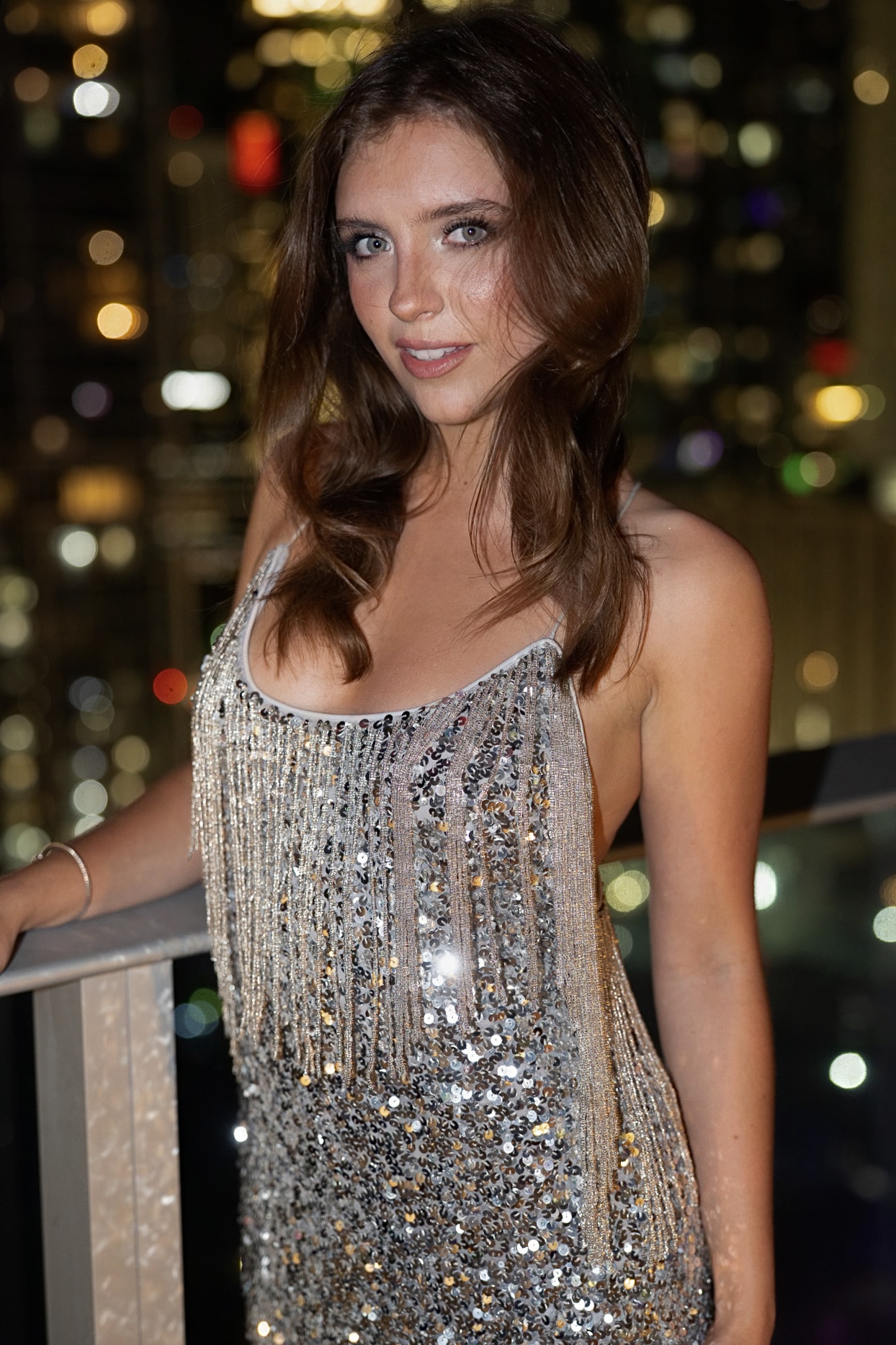

In April, singer-songwriter and actress Alivia Clark released the breathtaking single, “Breathless.” The budding songstress now closes out the summer and kicks off the fall with “Dancing In Circles.” The Dance-Pop anthem is marked by its pulsating, intoxicating rhythm and Alivia Clark’s polished, sultry vocals.
“Dancing In Circles” is a groove-led up-tempo record that is fun and uber-catchy. The euphoric song’s sensual vibe accentuates the track’s theme of blissful yet wary seduction and temptation. “‘Dancing In Circles’ explores the push and pull of attraction and is about being stuck in a cycle with someone that you know isn’t good for you, but the chemistry makes it impossible to let go.” Alivia Clark continues, “There’s something so addictive about that feeling, you know that you’re going around in circles, but part of you doesn’t want to stop.”
-

 We Speak Music1 week ago
Benicio Bridges Ghanaian Heritage and UK Rap on New Single ‘EVE’
-

 We Speak Music1 week ago
Slay Raché Shines In New Single “You Make Me Wanna Dance”
-

 We Speak Music1 week ago
Phoebe June Traces Love, Distance and Heartbreak on New EP ‘Kiss Me Over The Garden Gate’
-

 We Speak Music1 week ago
More Than Nostalgia: The Overtones Enter Their Next Chapter