
We Speak Music
Beldon Haigh at Whistle Binkies: A Night of Dystopian Brilliance

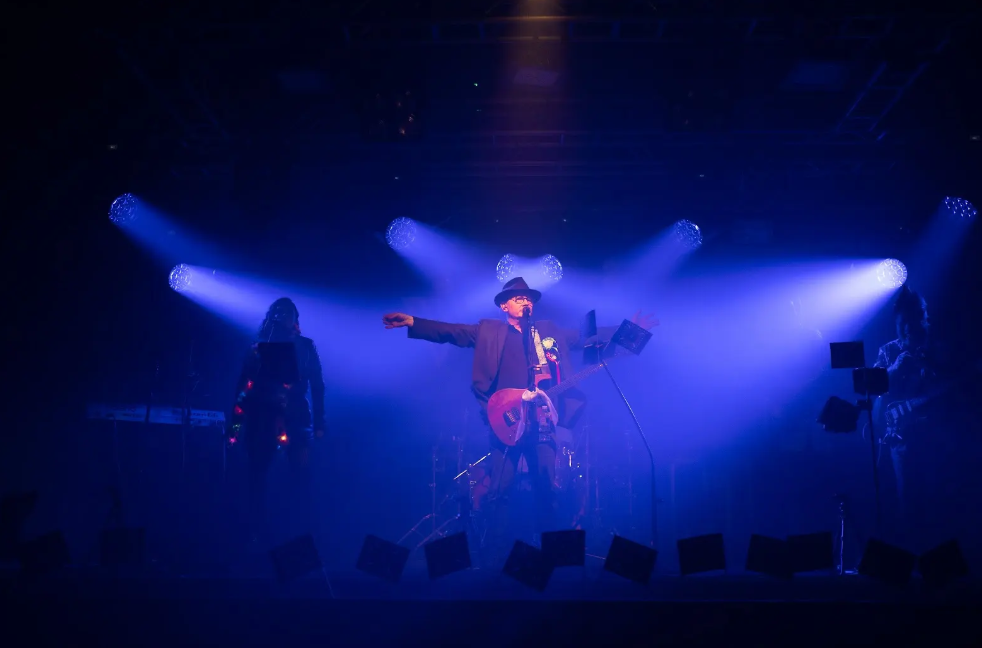
On Sunday, November 10, 2024, Falkirk’s finest export, Beldon Haigh, stormed back into Edinburgh’s Whistle Binkies for a performance that felt less like a gig and more like an audacious theatrical statement.
Marking the band’s final show of the year, the night brought their ambitious Dystopia – The Rock Opera full circle following a triumphant run at the Edinburgh Fringe Festival. The result? A blistering mix of indie rock, satirical storytelling, and raw showmanship. Fake money and moon bonds rained down from the stage in surreal moments that balanced stinging political commentary with theatrical flair.
The vibe was electric before the first note. Crew members roamed the floor, handing out mini flags emblazoned with the now-iconic Dystopian logo—a cheeky touch that turned the audience into a makeshift nation. GoPro cameras dotted the stage, signaling that something special was about to unfold.
Cue Justin Skelton, Beldon Haigh’s enigmatic frontman, who stepped into the spotlight with a magnetic swagger to greet the crowd as “Citizens of Dystopia.” The band’s Orwellian themes were hard to ignore, serving up scathing social commentary on a world teetering on the brink. Skelton led a musical assault that was equal parts biting and brilliant. Backed by Dru Baker (horns and keyboards), Fiona Lynch (backing vocals), and an expanded live lineup—Willie Logan (guitar), Sean Harkins (drums), and Duggy Coulter (bass)—the band dialed up the drama, slipping into their satirical alter egos: Kim Jong Un, Vladimir Putin, and Donald Trump, respectively. Because why just play music when you can make a political statement that slaps just as hard? It was a surreal, unpredictable mix of biting satire, raw energy, and blistering sound—the kind of gig that reminds you why live music matters.
The set opened with Dumpster Fire, the explosive lead track from World Got So Dumb, a biting anthem that immediately locked the crowd into the band’s dystopian groove. From there, Beldon Haigh crafted a narrative-driven set that blurred the line between concept album and full-blown stage production. A commanding voice punctuated the transitions, addressing the “Dystopian people” like a darkly comedic overlord weaving the show’s Orwellian threads.
Highlights included Soap Machine, where Skelton’s rockstar theatrics meshed perfectly with Lynch’s ethereal harmonies and Baker’s keyboard brilliance. Sean Harkins’ drumming proved to be the driving force behind the evening, adding both technical precision and unpredictable flair. Midway through, World Got So Dumb delivered the night’s quirkiest moment, as Skelton cheekily referenced whales and plankton before the band launched into solos mimicking marine creatures—an absurdist flourish that landed perfectly with the audience.
For all the biting satire, the heart of the show lay in its communal spirit. Tracks like Hermano, with its Latin-tinged rhythms, and Happiness, a euphoric anthem, became rallying cries for unity. These were not just songs; they were shared moments of catharsis, turning the venue into a collective sanctuary.
Beldon Haigh’s sound is big—too big, perhaps, for Whistle Binkies. The band’s theatricality, ambition, and sheer presence suggest they are destined for much larger stages. Watching them perform Dystopia – The Rock Opera felt like witnessing the genesis of something extraordinary—a bold, unapologetic vision that demands attention.
This wasn’t just another gig; it was a thrilling, surreal mix of rock and theatre that turned sharp political commentary into a wild, unforgettable experience. Beldon Haigh aren’t just playing music—they’re building worlds.



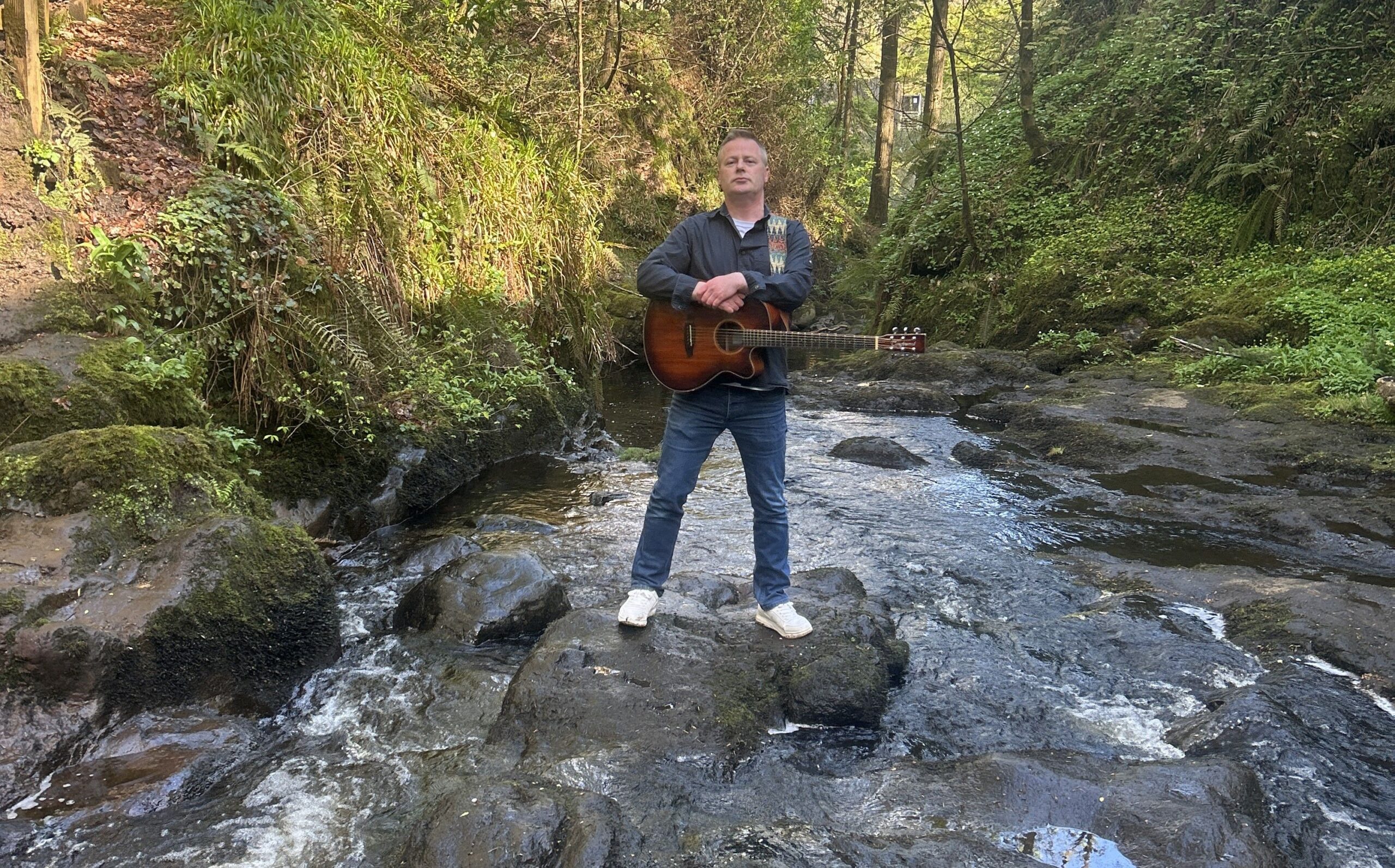
It is easy to see why a songwriter might be drawn to a story like this. Relationships rarely finish as neatly as people would like, and the space between “it is over” and “maybe we should try again” can produce plenty of material. For Dysmusia, that space becomes the setting for latest single “In your eyes”, out now through Now Listen.
The Irish singer-songwriter has a knack for keeping his writing close to everyday life, and this track benefits from that approach. He looks at an old relationship that has already gone through several attempts at making things work, then focuses on what happens when those feelings start creeping back in.
What makes the song appealing is the balance between sincerity and a lighter touch. Dysmusia is clearly invested in the situation, but he does not turn every moment into a grand declaration. There is room for a bit of humour and hesitation along the way, which keeps the song feeling natural.
The arrangement gives the song a pleasing lift. Acoustic guitar sits at the heart of it, with the dropped tuning adding some richness and a second guitar bringing extra colour. The result has folk at its core but carries enough indie-rock influence to give it a little extra punch.
Dysmusia’s Irish background is another part of the picture. Based between Antrim and Dublin and coming from a musical family, he has developed a style that puts storytelling alongside contemporary guitar sounds.
“In your eyes” brings those influences together without making a fuss about them. It is a personable, melodic track about feelings that refuse to follow a neat timetable, delivered with enough warmth to make the story easy to get behind.
-
We Speak Music1 week ago
NP York releases powerful new indie single ‘As bold as a heart’!
-

 We Speak Hip-Hop1 week ago
Omen44’s “Land of Plenty” Delivers Substance in a World Full of Noise (Video)
-
We Speak Music1 week ago
Wes Banderson celebrate the music of Wes Anderson films with four special UK shows this September!
-

 We Speak Hip-Hop1 week ago
Chuck Platinum Continues Building His Legacy With Beats in the Attic Volume 4