
We Speak Entertainment
BET MEDIA GROUP HONORED BLACK LGBTQ+ TRAILBLAZER WITH A POWERFUL NIGHT OF CELEBRATION, CULTURE AND COMMUNITY
FROM BOB THE DRAG QUEEN’S GROUNDBREAKING RECOGNITION TO HOPE GISELLES’S INSPIRING REMARKS– THE 3RD ANNUAL BET BLACK + ICONIC SOIREE HIGHLIGHTED THE BRILLIANCE AND IMPACT OF BLACK LGBTQ+ LEADERS

(New York, NY)– May 28, 2025 – The 3rd Annual BET Black + Iconic Soirée made its Washington, D.C debut with inspiring evening celebrating the past, present, and future of black LGBTQ+ excellence. The 2025 theme, “Excellence Ascending,” paid tribute to cultural change makers leading with authenticity, courage and purpose.
Hosted by entertainment journalist and Access Hollywood anchor Scott Evans, the Soirée gathered trailblazers across activism, arts, business, and media for a powerful evening of storytelling , performance, and legacy-building.
Highlights from the BET Black + Iconic Soriée Included:
- Ashlee Davis, J.D. received the Executive Realness Award for her trailblazing work in civil rights leadership, including her legacy of impact across government and corporate sectors.
- Hope Giselle, a powerful advocate and author was named Emerging leader for her unrelenting work championing visibility and inclusion for Black trans communities.
- Kierra Johnson, Executive Director of the National LGBTQ Task Force, was honored as Active Advocate for her decades of leadership advancing reproductive justice and LGBTQ+ rights.
- Ashlee Marie Preston, a nationally recognized activist and media strategist, accepted the Creative Visionary Award, saluted for using her voice to shift narratives and build intergenerational coalitions.
- Bob the Drag Queen, Emmy-winning entertainer and global icon, received the Culture Trailblazer Award, closing the evening with a heartfelt speech about identity, freedom, legacy.
- The Center for Black Equity and the Take Resource Center each received $5,000 through the BET Thrive Fund Recognition, honored for their work advancing Black LGBTQ+ wellness, equity and community organizing.

WASHINGTON, DC – MAY 24: Culture Trailblazer award recipient Bob The Drag Queen speaks on stage during BET “Black + Iconic” Soirée at Andrew W. Mellon Auditorium on May 24, 2025 in Washington, DC. (Photo by Brian Stukes/Getty Images for BET) 
WASHINGTON, DC – MAY 24: Eva Marcille speaks on stage during BET “Black + Iconic” Soirée at Andrew W. Mellon Auditorium on May 24, 2025 in Washington, DC. (Photo by Brian Stukes/Getty Images for BET) 
WASHINGTON, DC – MAY 24: Creative Visionary award recipient Ashlee Marie Preston speaks on stage during BET “Black + Iconic” Soirée at Andrew W. Mellon Auditorium on May 24, 2025 in Washington, DC. (Photo by Brian Stukes/Getty Images for BET) 
WASHINGTON, DC – MAY 24: Arrington Foster presents Creative Visionary award to Ashlee Marie Preston on stage during BET “Black + Iconic” Soirée at Andrew W. Mellon Auditorium on May 24, 2025 in Washington, DC. (Photo by Brian Stukes/Getty Images for BET) 
WASHINGTON, DC – MAY 24: Carter The Body speaks on stage during BET “Black + Iconic” Soirée at Andrew W. Mellon Auditorium on May 24, 2025 in Washington, DC. (Photo by Brian Stukes/Getty Images for BET) 
WASHINGTON, DC – MAY 24: Kenya Hutton accepts an award on behalf of Center for Black Equity on stage during BET “Black + Iconic” Soirée at Andrew W. Mellon Auditorium on May 24, 2025 in Washington, DC. (Photo by Brian Stukes/Getty Images for BET) 
WASHINGTON, DC – MAY 24: Dr. David J. Johns presents an award to Center for Black Equity and Kenya Hutton on stage during BET “Black + Iconic” Soirée at Andrew W. Mellon Auditorium on May 24, 2025 in Washington, DC. (Photo by Brian Stukes/Getty Images for BET) 
WASHINGTON, DC – MAY 24: Avery Wilson performs on stage during BET “Black + Iconic” Soirée at Andrew W. Mellon Auditorium on May 24, 2025 in Washington, DC. (Photo by Brian Stukes/Getty Images for BET) 
WASHINGTON, DC – MAY 24: Avery Wilson performs on stage during BET “Black + Iconic” Soirée at Andrew W. Mellon Auditorium on May 24, 2025 in Washington, DC. (Photo by Brian Stukes/Getty Images for BET) 
WASHINGTON, DC – MAY 24: Avery Wilson performs on stage during BET “Black + Iconic” Soirée at Andrew W. Mellon Auditorium on May 24, 2025 in Washington, DC. (Photo by Brian Stukes/Getty Images for BET) 
WASHINGTON, DC – MAY 24: Avery Wilson performs on stage during BET “Black + Iconic” Soirée at Andrew W. Mellon Auditorium on May 24, 2025 in Washington, DC. (Photo by Brian Stukes/Getty Images for BET) 
WASHINGTON, DC – MAY 24: Hope Giselle accepts her award on stage during BET “Black + Iconic” Soirée at Andrew W. Mellon Auditorium on May 24, 2025 in Washington, DC. (Photo by Brian Stukes/Getty Images for BET) 
WASHINGTON, DC – MAY 24: Mariah Moore presents an award to Hope Giselle (L) on stage during BET “Black + Iconic” Soirée at Andrew W. Mellon Auditorium on May 24, 2025 in Washington, DC. (Photo by Brian Stukes/Getty Images for BET) 
WASHINGTON, DC – MAY 24: Bryan Terrell Clark presents an award to Ashlee Davis (L) on stage during BET “Black + Iconic” Soirée at Andrew W. Mellon Auditorium on May 24, 2025 in Washington, DC. (Photo by Brian Stukes/Getty Images for BET) 
WASHINGTON, DC – MAY 24: Bryan Terrell Clark presents an award to Ashlee Davis on stage during BET “Black + Iconic” Soirée at Andrew W. Mellon Auditorium on May 24, 2025 in Washington, DC. (Photo by Brian Stukes/Getty Images for BET) 
WASHINGTON, DC – MAY 24: Scott Evans speaks on stage during BET “Black + Iconic” Soirée at Andrew W. Mellon Auditorium on May 24, 2025 in Washington, DC. (Photo by Brian Stukes/Getty Images for BET) 
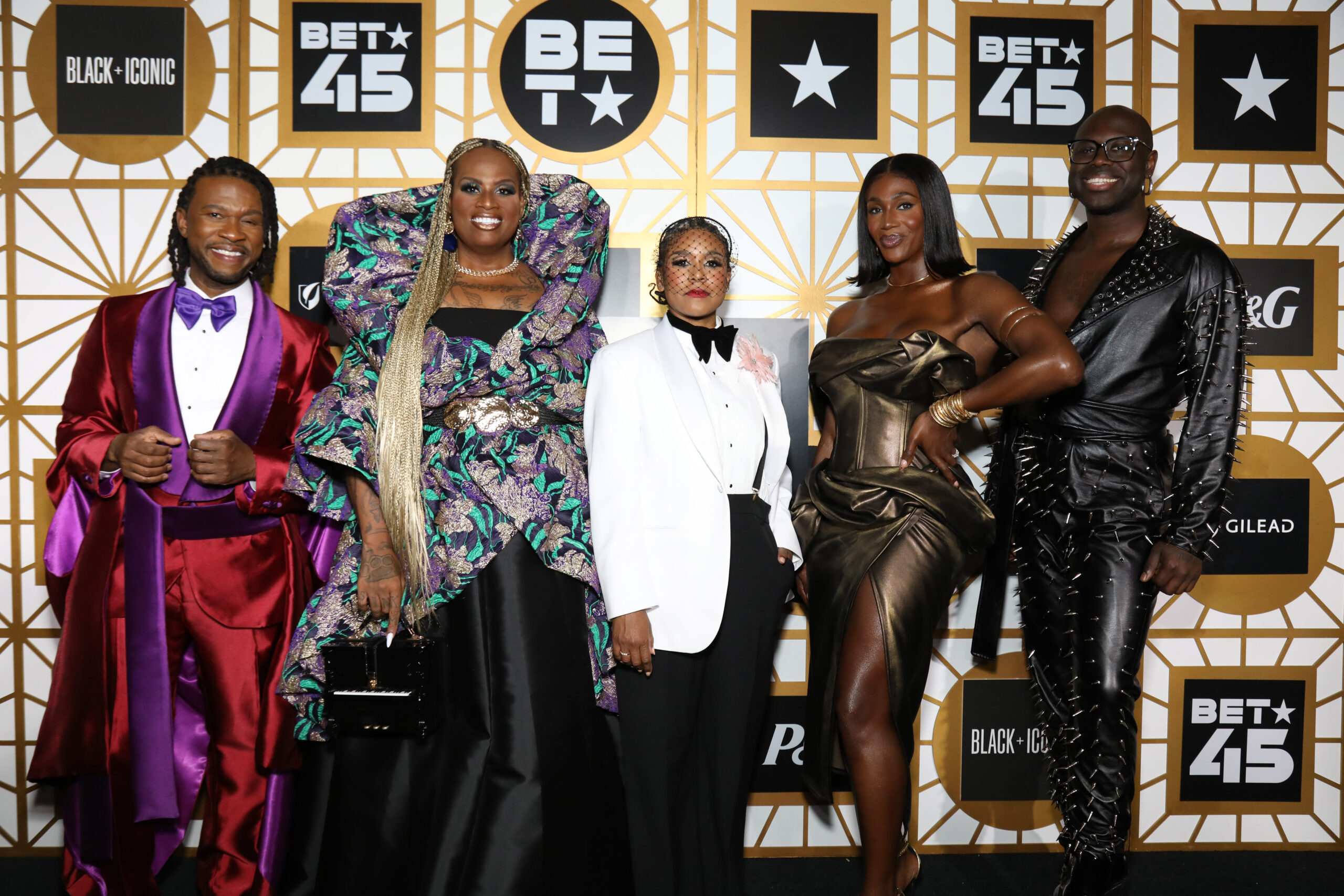
WASHINGTON, DC – MAY 24: (L-R) Honorees Tiyale Hayes, Ashlee Marie Preston, Kierra Johnson, Hope Giselle and Bob The Drag Queen pose for a photo together during BET “Black + Iconic” Soirée at Andrew W. Mellon Auditorium on May 24, 2025 in Washington, DC. (Photo by Brian Stukes/Getty Images for BET) 
WASHINGTON, DC – MAY 24: (L-R) Honorees Ashlee Marie Preston, Kierra Johnson and Hope Giselle pose for a photo together during BET “Black + Iconic” Soirée at Andrew W. Mellon Auditorium on May 24, 2025 in Washington, DC. (Photo by Brian Stukes/Getty Images for BET) 
WASHINGTON, DC – MAY 24: Dr. Kendric Dartis attends BET “Black + Iconic” Soirée at Andrew W. Mellon Auditorium on May 24, 2025 in Washington, DC. (Photo by Brian Stukes/Getty Images for BET) 
WASHINGTON, DC – MAY 24: Kierra Johnson and guests attend BET “Black + Iconic” Soirée at Andrew W. Mellon Auditorium on May 24, 2025 in Washington, DC. (Photo by Brian Stukes/Getty Images for BET) 
WASHINGTON, DC – MAY 24: Tiyale Hayes attends BET “Black + Iconic” Soirée at Andrew W. Mellon Auditorium on May 24, 2025 in Washington, DC. (Photo by Brian Stukes/Getty Images for BET) 
WASHINGTON, DC – MAY 24: Keith Boykin attends BET “Black + Iconic” Soirée at Andrew W. Mellon Auditorium on May 24, 2025 in Washington, DC. (Photo by Brian Stukes/Getty Images for BET) 
WASHINGTON, DC – MAY 24: Arrington Foster attends BET “Black + Iconic” Soirée at Andrew W. Mellon Auditorium on May 24, 2025 in Washington, DC. (Photo by Brian Stukes/Getty Images for BET) 
WASHINGTON, DC – MAY 24: Kron Moore attends BET “Black + Iconic” Soirée at Andrew W. Mellon Auditorium on May 24, 2025 in Washington, DC. (Photo by Brian Stukes/Getty Images for BET) 
WASHINGTON, DC – MAY 24: Bishop O.C. Allen attends BET “Black + Iconic” Soirée at Andrew W. Mellon Auditorium on May 24, 2025 in Washington, DC. (Photo by Brian Stukes/Getty Images for BET) 
WASHINGTON, DC – MAY 24: Rashad Burgess attends BET “Black + Iconic” Soirée at Andrew W. Mellon Auditorium on May 24, 2025 in Washington, DC. (Photo by Brian Stukes/Getty Images for BET) 
WASHINGTON, DC – MAY 24: Derek J attends BET “Black + Iconic” Soirée at Andrew W. Mellon Auditorium on May 24, 2025 in Washington, DC. (Photo by Brian Stukes/Getty Images for BET) 
WASHINGTON, DC – MAY 24: RaeShanda Lias-Lockhart attends BET “Black + Iconic” Soirée at Andrew W. Mellon Auditorium on May 24, 2025 in Washington, DC. (Photo by Brian Stukes/Getty Images for BET) 
WASHINGTON, DC – MAY 24: Guest attends BET “Black + Iconic” Soirée at Andrew W. Mellon Auditorium on May 24, 2025 in Washington, DC. (Photo by Brian Stukes/Getty Images for BET) 
WASHINGTON, DC – MAY 24: Damon Jones attends BET “Black + Iconic” Soirée at Andrew W. Mellon Auditorium on May 24, 2025 in Washington, DC. (Photo by Brian Stukes/Getty Images for BET) 
WASHINGTON, DC – MAY 24: Brandon Blackwood attends BET “Black + Iconic” Soirée at Andrew W. Mellon Auditorium on May 24, 2025 in Washington, DC. (Photo by Brian Stukes/Getty Images for BET) 
WASHINGTON, DC – MAY 24: Bryan Terrell Clark attends BET “Black + Iconic” Soirée at Andrew W. Mellon Auditorium on May 24, 2025 in Washington, DC. (Photo by Brian Stukes/Getty Images for BET) 
WASHINGTON, DC – MAY 24: Roz “Mr. Wonderful” Mugler attends BET “Black + Iconic” Soirée at Andrew W. Mellon Auditorium on May 24, 2025 in Washington, DC. (Photo by Brian Stukes/Getty Images for BET) 
WASHINGTON, DC – MAY 24: George M. Johnson attends BET “Black + Iconic” Soirée at Andrew W. Mellon Auditorium on May 24, 2025 in Washington, DC. (Photo by Brian Stukes/Getty Images for BET) 
WASHINGTON, DC – MAY 24: Hope Giselle attends BET “Black + Iconic” Soirée at Andrew W. Mellon Auditorium on May 24, 2025 in Washington, DC. (Photo by Brian Stukes/Getty Images for BET) 
WASHINGTON, DC – MAY 24: Hope Giselle (L) and guest attend BET “Black + Iconic” Soirée at Andrew W. Mellon Auditorium on May 24, 2025 in Washington, DC. (Photo by Brian Stukes/Getty Images for BET) 
WASHINGTON, DC – MAY 24: Avery Wilson attends BET “Black + Iconic” Soirée at Andrew W. Mellon Auditorium on May 24, 2025 in Washington, DC. (Photo by Brian Stukes/Getty Images for BET) 
WASHINGTON, DC – MAY 24: T.S. Madison attends BET “Black + Iconic” Soirée at Andrew W. Mellon Auditorium on May 24, 2025 in Washington, DC. (Photo by Brian Stukes/Getty Images for BET) 
WASHINGTON, DC – MAY 24: Kierra Johnson accepts an award for Active Advocateon stage during BET “Black + Iconic” Soirée at Andrew W. Mellon Auditorium on May 24, 2025 in Washington, DC. (Photo by Brian Stukes/Getty Images for BET) 
WASHINGTON, DC – MAY 24: Eva Marcille (L) presents Culture Trailblazer award to Bob The Drag Queen on stage during BET “Black + Iconic” Soirée at Andrew W. Mellon Auditorium on May 24, 2025 in Washington, DC. (Photo by Brian Stukes/Getty Images for BET) 
WASHINGTON, DC – MAY 24: (L-RHonorees Tiyale Hayes, Ashlee Marie Preston, Kierra Johnson, Hope Giselle and Bob The Drag Queen pose for a photo together during BET “Black + Iconic” Soirée at Andrew W. Mellon Auditorium on May 24, 2025 in Washington, DC. (Photo by Brian Stukes/Getty Images for BET)
The night also featured a soul-stirring medley performance by Broadway powerhouse Avery Wilson, fresh off stage from The Wiz revival. Presenters included Eva Marcille (All The Queen’s Men, BET+), Carter The Body (All The Queen’s Men, BET+), Bryan Terrell Clark (Diarra from Detroit, BET+), and Arrington Foster (The Family Business, BET+), each bringing star power and heartfelt tributes to the evening’s honorees.
“From the very beginning, we knew this couldn’t be just another event,” said Tiyale Hayes, EVP of Insights and Multiplatform Analytics and Co-Lead of Social Impact at BET, During his opening remarks. “It had to an intentional space to uplift stories too often silenced and celebrate contributions that have shaped the world in powerful ways.”
The evening also spotlighted Gilead Sciences, a long standing partner of the BET Black + Iconic Soirée. Gilead’s Rashad Burgess, Vice President of U.S. Advocacy and Health Equity, emphasized and the importance of equitable healthcare access, visibility, and long-term impact for Black LGBTQ+ communities.
Additionally, the event welcomed Truth Initiative as a new partner of the BET Black + Iconic Soirée. Dr. Kendrick Dartis, Vice president of Outreach and Engagement, addressed the urgent issue of tobacco use in Black and LGBTQ+ communities and emphasized the need for culturally relevant cessation support. He also announced a $5,000 BET Thrive Fund donation, sponsored by Truth Initiative, to Us Helping Us– a D.C.- based non profit dedicated to advancing health equity.
BET Black + Iconic Soirée stands as defining moment in the 45th anniversary year of the media group– underscoring its mission to center Black culture, honor its LGBTQ+ communities, and drive meaningful, measurable impact.
Join the conversation using #BlackAndIconic and relieve the nights most powerful moments on BET’s official social channels. The Televised premiere date and time will be announced at a later date.
ABOUT BET MEDIA GROUP

The BET Media Group, a unit of Paramount (NASDAQ:PARAA;PARA), is the worlds largest media company dedicated too entertaining, engaging, and empowering the Black community and championing Black culture. Connecting Back audiences through a portfolio of brands including BET, BET+, BET Gospel, BET HER, BET International, BET Jams, BET Soul, BET Studios, and VH1, the BET Media Group is thriving media  ecosystem of leading interconnected platforms across cable TV, streaming, digital, studios, live events and international. For more information about BET, visit www.bet.com and follow @BET on social platforms. For more BET news announcements visit bet pressroom.com.




We Speak Actors
‘Sugar’ Actor Brian Gilleece Talks Colin Farrell, the Season 2 Finale and His Next Chapter

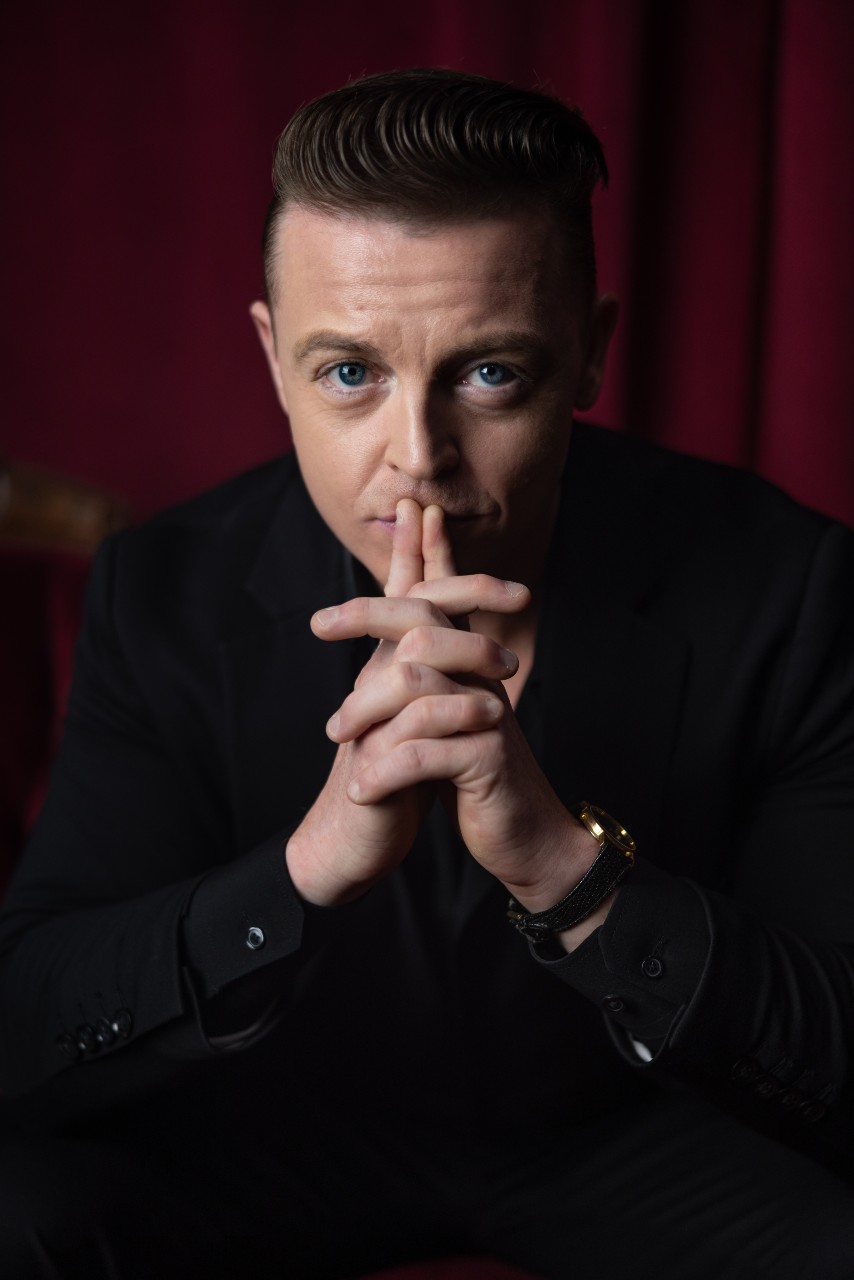
Brian Gilleece is continuing to make his mark across some of television’s most recognisable productions, most recently appearing in a recurring role as Iain in Season 2 of Apple TV’s acclaimed neo-noir drama ‘Sugar’ alongside Colin Farrell and Laura Donnelly. The actor and filmmaker has already built an impressive résumé spanning major networks and streaming platforms, with credits including HBO’s ‘Westworld’, CBS’ ‘Matlock’ opposite Kathy Bates, FX’s ‘Mayans M.C.’, Netflix’s ‘Hollywood’ and the feature film ‘Echo Base’.
Throughout his career, Gilleece has had the opportunity to work alongside an array of celebrated performers including Colin Farrell, Kathy Bates, Aaron Paul, Evan Rachel Wood, Dylan McDermott, Darren Criss and Jim Parsons, while also collaborating with leading filmmakers and creatives across film, television and advertising. Earlier in his career, he worked closely with director Derek Cianfrance while stunt and fitness doubling PGA Tour star Rory McIlroy for Nike’s award-winning ‘Enjoy the Chase’ campaign.
Following the recent Season 2 finale of ‘Sugar’, Gilleece reflects on watching Farrell work at close range, an unexpected connection between Farrell and Kathy Bates, the impact of the show’s original storytelling and what he learned from the experience. He also discusses his passion for hockey, an unscripted project he is currently developing, the type of television role he would love to take on next and the reality of returning to auditions after every major job.
Brian, can you tell us a little about your experience working on Season 2 of Apple TV’s ‘Sugar’?
It was incredible. Also, I’m certainly working my way through Ireland’s finest here, having worked with Rory McIlroy a few times on the commercial side of things and now Colin and Laura. It’s pretty surreal. Obviously, growing up watching these actors who are in some of my favorite films and TV shows, and then getting to watch them play up close is the best “acting class” anyone can have. I honestly am so grateful. There are fewer and fewer opportunities to work on original material that is specifically created for the screen first.
“And the fact that this series not only shot here in LA, but it’s a neo-noir and pays direct homage to the incredible films and filmmakers of that era, is really a dream gig.”
What did you take away from working with Colin Farrell, and do you have a fun story from the set?
My goal is to always leave each job having learned something new about the craft, and this certainly planted some seeds for me in terms of things I’d like to improve in my own performances. To see something like his transformation in ‘The Penguin’, and then to be on set with him embodying a character that is just as distinct and fully formed, is a privilege. I auditioned for the role on ‘Matlock’ opposite Kathy Bates in between episodes of ‘Sugar’. I got the call from my agent and manager while I was on set for ‘Sugar’, and Colin saw my face when I was on the phone and asked what had happened. So I said, “I’m going to do this ‘Matlock’ episode with Kathy,” and he just instantly said, “Oh, I love Kathy, that’s amazing. We worked on a movie together 20 years ago. She’s the best. Please tell her I said hello.” Which definitely helped with my nerves getting to meet her for the first time at the table read later that week. After the read for ‘Matlock’, I went over to Kathy for the first time and said, “I hear you worked with Colin Farrell. I’m actually shooting ‘Sugar’ this week as well.” Kathy instantly said, “Oh, I love Colin. I worked with him on a film 20 years ago! He’s such a sweetheart. Tell him I said hello.” So yeah, it felt pretty cool to be playing telephone for two of my acting heroes.

How did you feel about the finale of the series, and what has the audience response been like?
I just remember being there to shoot that final scene and trying to piece together what was going on and how it would get constructed. But of course, that final sequence in the mansion came out even cooler than it felt on the day to shoot. But that’s sort of par for the course with the show, and that’s sort of why Sam is Sam. He’s so good at what he does, elevating what’s on the page. Also, I have to say — without too much of a spoiler — Laura’s moment at the end there is just another lesson in great acting and not telegraphing anything about your next move. I have rewatched it a couple of times. I know the show as a whole has been very well received.
“I don’t know if folks are quite as shocked as last season’s ending, but I also think some of the themes in this season are exactly why we need more original storytelling.”
Which other projects are you currently working on?
As most people know, I’m a HUGE hockey fan. I still skate 3–4 times a week and absolutely love the game. Recently, there has been such growth in the popularity of the sport itself and also in seeing it on screen. Even having it be the sport that the main character in ‘Inside Out 2’ played was so fun for me to see, knowing how much the sport has grown — especially for women too. I’m developing an unscripted show set in that arena, which I am super excited about. I don’t want to give too much away, but it builds on a concept that a buddy and I explored during the pandemic and really amplifies it in a new way.
What’s a dream role you would love to play?
Honestly, that’s a really challenging question because you don’t know what you don’t know. There could be some fantastic writer out there right now sketching up a character that ends up being perfect for me that I would never have thought about. But if you’re asking in terms of what type of job, I’ve always said it: I think a regular on a network soap is one of the best jobs in Hollywood. Just the frequency — getting to play a character day in and day out, 3–4 days a week consistently? Sign me up! Also, I have a knack for absorbing a lot of material quickly, so frankly, it looks like a lot of fun. So ‘GH’, ‘Days’, ‘Y&R’, I’m here if ya need me. If we’re talking film, anything Tom Cruise is doing looks like a ball to be involved in, and I really loved ‘The Rip’ too. That high-octane storytelling that people like Joe Carnahan, Joseph Kosinski, Gina Prince-Bythewood and David Leitch are carrying the torch for are the kinds of stories that made me want to be an actor in the first place. I mean, who doesn’t watch ‘Con Air’ or ‘Speed’ when it just happens to be on in your hotel room?

What should audiences look out for from you next?
I’m back to auditioning, and as a working actor, that’s the gig. I remember seeing Kevin Bacon talk about that years ago, that after every job you’re now an “out-of-work actor.” It was really crystallizing to hear from someone like him, and a great reminder that getting the next gig is always going to be part of the career. It really helped with my mindset. And this is the part the audience doesn’t see, right? Getting in front of new people who don’t know your work yet, reintroducing yourself to those who do. Finding producers, directors and casting professionals telling the stories you also want to tell, and then showing them what you bring to the table and believing there will eventually be a crossover between what you do well and what they are looking for at any particular time.
Featured photo credit Carina Conti
-

 We Speak Music1 week ago
Moon Rocket Finds the Space Between Soul and Dancefloor on ‘Just Us Alone’
-

 We Speak Music1 week ago
The Songs of Butler & Cupples Share New Single ‘Therapy’
-

 We Speak Hip-Hop1 week ago
Hieroglyphics drop new LP & video
-

 We Speak Music1 week ago
Slay Raché Shines In New Single “You Make Me Wanna Dance”