
We Speak Entertainment
Broadway Vet and Acclaimed Actress Novella Nelson Dies at 77


BroadwayWorld has learned that acclaimed actress and Broadway vet Novella Nelson died on Friday, September 1st at the age of 77.
Starting in 1961, Nelson had a decades-long stage career, performing, directing and producing, primarily in New York. She was a featured performer on Broadway in 1970 in the musical, Purlie. In 1975, Nelson directed the play La Femme Noire at The Public Theater. Her film career began at age 39 with a small part in 1977’s An Unmarried Woman, and continued for the next several decades with roles in movies and television. She was last seen on the stage in 2014 in Horton Foote’s The Old Friends opposite Betty Buckley, HAllie Foote, Annalee Jefferies and Veanne Cox.
Her Broadway and Off-Broadway credits include Having Our Say; The Little Foxes; Caesar and Cleopatra; Purlie; Hello, Dolly; Division Street; A Piece of My Heart; Simon McBurney’s The Resistible Rise of Arturo Ui; Passing Games and In White America, among others.
Regional credits include Seattle Repertory Theatre, Actors Theatre of Louisville, ALLIANCE THEATRE, Hartford Stage and American Conservatory Theater. She has appeared in such productions as The People’s Temple at The Guthrie Theater, The Big White Fog at London’s Almeida Theatre, Oedipus at American Repertory Theater and in a highly acclaimed London production of A Raisin in the Sun which played both the Lyric Hammersmith and The Young Vic theatres.
Film/TV credits include RIPD, Lars Von Trier’s Dear Wendy, Denzel Washington’s Antwone Fisher, Chris Rocks’ Head of State, Spike Lee’s Clockers, Francis Ford Coppola’s The Cotton Club, Peter Weir’s Green Card, Taylor Hackford’s The Devil’s Advocate, Jonathan Glazer’s Birth, Emily Hubley’s The Toe Tactic, The Starter Wife, One Life to Live, Sex and the City, and Oz, among others.
She has directed projects at Lincoln Center Theater, Hartford Stage, Manhattan Class Company, The Public Theater, and the Negro Ensemble Company.


We Speak Entertainment
OFFICIAL TRAILER RELEASED FOR “CALL ME MICKY,” EXECUTIVE PRODUCED BY DOMINIQUE JACKSON

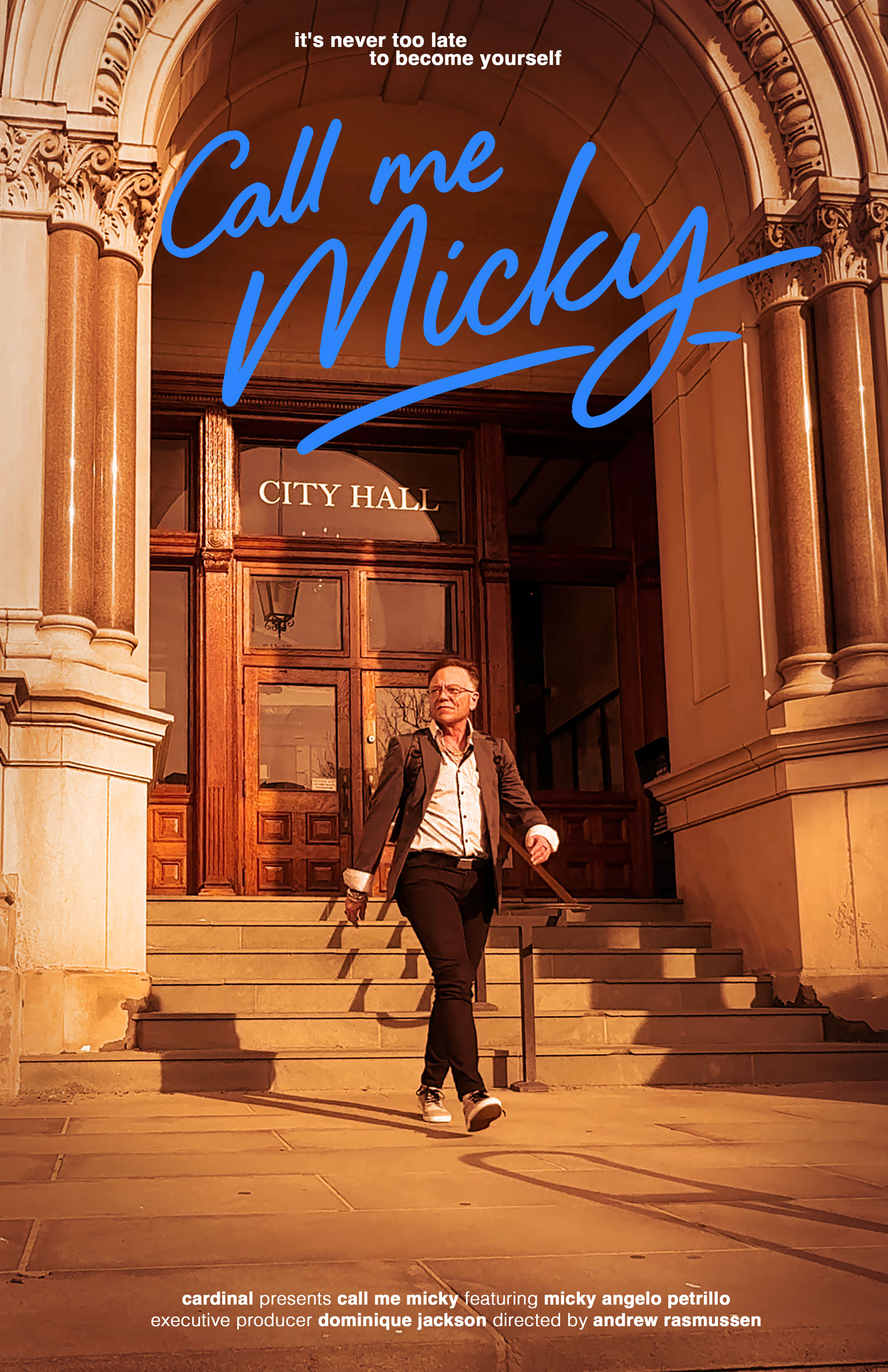
New 22-minute documentary short follows Micky Angelo Petrillo after transitioning at 59, with the acclaimed POSE star helping bring his story to the screen
FOR IMMEDIATE RELEASE — NEW YORK: The official trailer for CALL ME MICKY, a new documentary short Executive Produced by acclaimed POSE star Dominique Jackson and directed by Andrew Rasmussen, has been released on YouTube ahead of the film’s upcoming festival run.

The 22-minute documentary follows Micky Angelo Petrillo, a larger-than-life New Jersey native who transitioned at 59 and is now discovering what comes next.
Rather than presenting transition as the conclusion of Petrillo’s story, CALL ME MICKY focuses on the life unfolding afterward — through Pride celebrations, open mics, friendships, storytelling and Petrillo’s increasingly public embrace of the man he fought decades to become.
Jackson also appears in the film, joining Petrillo for an intimate on-camera conversation about identity, visibility and what it means to finally live openly as yourself.

Internationally recognized for her commanding portrayal of Elektra on FX’s groundbreaking series POSE, Jackson is an actress, model, activist and producer who also served as an Executive Producer of the acclaimed documentary I’M YOUR VENUS, which premiered at the Tribeca Festival.
Petrillo is the author of the memoir Walking the Earth: First as a Woman, Then a Man.
While CALL ME MICKY captures one chapter of Petrillo’s much larger story, the film offers an intimate portrait of a man discovering that becoming yourself is not the ending — it may only be the beginning.

CALL ME MICKY is produced by CARDINAL, a New York City–based creative production company, and directed by CARDINAL co-founder Andrew Rasmussen.
The film begins its festival run this fall, with additional screenings and festival announcements forthcoming.
Watch the official trailer for CALL ME MICKY:
For more information, visit https://www.CallMeMickyFilm.com
.
-

 We Speak Events6 days ago
HOT ROD Power Fest Brings Two Days Of Horsepower To Atlanta
-

 We Speak Music4 days ago
Reggie Benjamin Reimagines The Classics On Harmony In Blue: The Duets
-

 We Speak Music1 week ago
Dysmusia Keeps “In your eyes” Honest, Warm And Straight To The Point
-

 We Speak Actors1 week ago
Actress Amber Lily Butterworth on Her Growing Career in Film