We Speak Music
Hotel Mira Throws the Ultimate ‘Pity Party’ — And You’re Invited

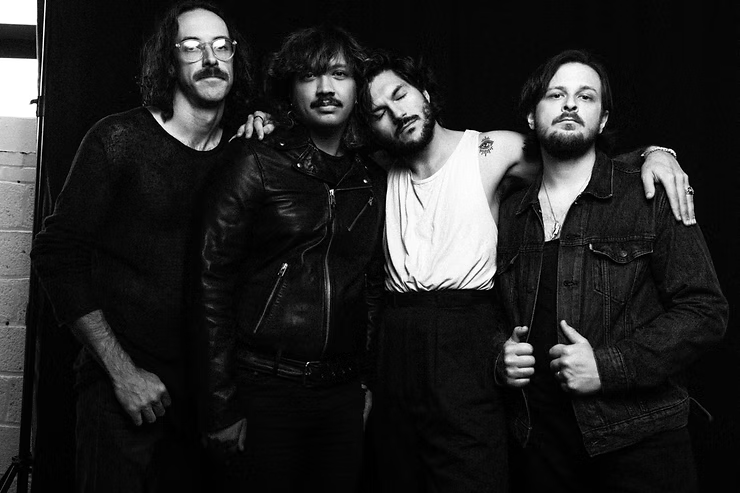
If you’re in the mood for a wild night of partying, self-reflection, and a deep dive into the bittersweet mess of modern relationships, then Hotel Mira’s, Pity Party, is your invite to the most chaotic, cathartic bash of 2025. The Vancouver-based alt-rockers have crafted an album that’s as equal parts self-destructive fun and painfully honest self-reflection—a sonic cocktail of euphoric highs and the crash that follows, served in glittery 3-minute doses.
Let’s start with the party. The opening track “America’s Favourite Pastime” sets the tone perfectly with its Iggy Pop-inspired swagger and Lana Del Rey-ish existentialism, creating a delicious tension between reckless abandon and underlying sadness. And that’s what Pity Party is all about—chasing pleasure with abandon and then realizing you’ve just locked yourself into an emotionally disastrous cycle. Kerr’s lyrical knack for capturing this personal tug-of-war is what gives the album its raw energy. Take “Right Back Where I Was,” a song about trying to fix mistakes you’re doomed to repeat, and “Javelin,” which is as much a playful advice track as it is an anthem for refusing to get your shit together.
But then, the mood shifts. And it hits hard. Tracks like “Made For This” and “Back To The Bedroom” pull the rug from under the party and expose the vulnerability hiding in the aftermath. The songs slowly descend into the realm of introspection, with Kerr laying bare the grim aftermath of a breakup, the cold reality of trying to numb pain, and the suffocating hold of self-sabotage. “Back To The Bedroom” in particular feels like a dark night of the soul where sex becomes a twisted attempt at escape, only to leave you more empty than before.
Yet, there’s something magnetic about this album’s raw honesty. It’s not just a pity party, but a celebration of realizing you’re messed up—and still trying to dance through it all. “Making Progress” takes a brief break from the self-doubt and suggests that maybe, just maybe, surviving is the revenge you need against life’s cruelest twists. There’s hope in the madness, a glimmer of clarity among the noise, especially in the album’s closing track, “There Goes The Neighbourhood,” where Kerr reflects on his past with more sincerity than the rest of the record, grounding the chaos in a moment of quiet self-awareness.
Musically, the band brings an undeniable energy to the table. Clark Grieve’s guitar work swirls between dreamy and gritty, while Mike Noble’s bass and Cole George’s drums keep the tracks moving at a relentless pace. Whether it’s the simmering tension in “Stone’s Throw” or the jarring post-party comedown in “On And On,” the band builds landscapes as unpredictable as the emotions they’re channeling.
In essence, Pity Party, is the perfect soundtrack for anyone caught in that endless loop of fun-fueled euphoria and the inevitable crash that follows. It’s loud, messy, and brilliantly self-aware. Hotel Mira has pulled off an album that not only takes you to the peak of your wildest nights but also drags you to the aftermath—because, let’s face it, we all need a reminder that the best parties are the ones where we show up for the chaos and the catharsis.
So, grab your drink, put on your best party face, and join Hotel Mira’s, Pity Party—just be prepared for the hangover.
More from We Speak Media:
- Kiey Reveals New Album “METROMIRAGE”
- Cut The Cord. Release Debut EP ‘blush.’ And Share The Title-Track Video
 Miranda Lambert to Headline Dallas Cowboys Thanksgiving Halftime Show, Kicking Off Salvation Army’s Red Kettle Campaign
 The Frost Duo Celebrate Love and the Magic of Winter with New Single “Keep Me Warm” Out Nov 14
 Joanne Shaw Taylor Wrestles With Love on New Album “The Trouble With Love”
 Deep Purple’s Ian Gillan Takes His “Talking Gib’rish” Tour Across the UK in 2027
 Smith-Njigba, Wilson Lead Seahawks Past Chiefs 20-3 on Sunday Night, Handing Kansas City Its First Loss
 Six Straight: No. 12 Kentucky Erases Early Hole to Beat Vanderbilt 34-17
 Texas Holds On This Time: Longhorns Survive Ole Miss Comeback 34-27
 Orsan at the Buzzer: South Carolina Shocks No. 11 Tennessee 27-24 in Columbia


We Speak Country
Miranda Lambert to Headline Dallas Cowboys Thanksgiving Halftime Show, Kicking Off Salvation Army’s Red Kettle Campaign

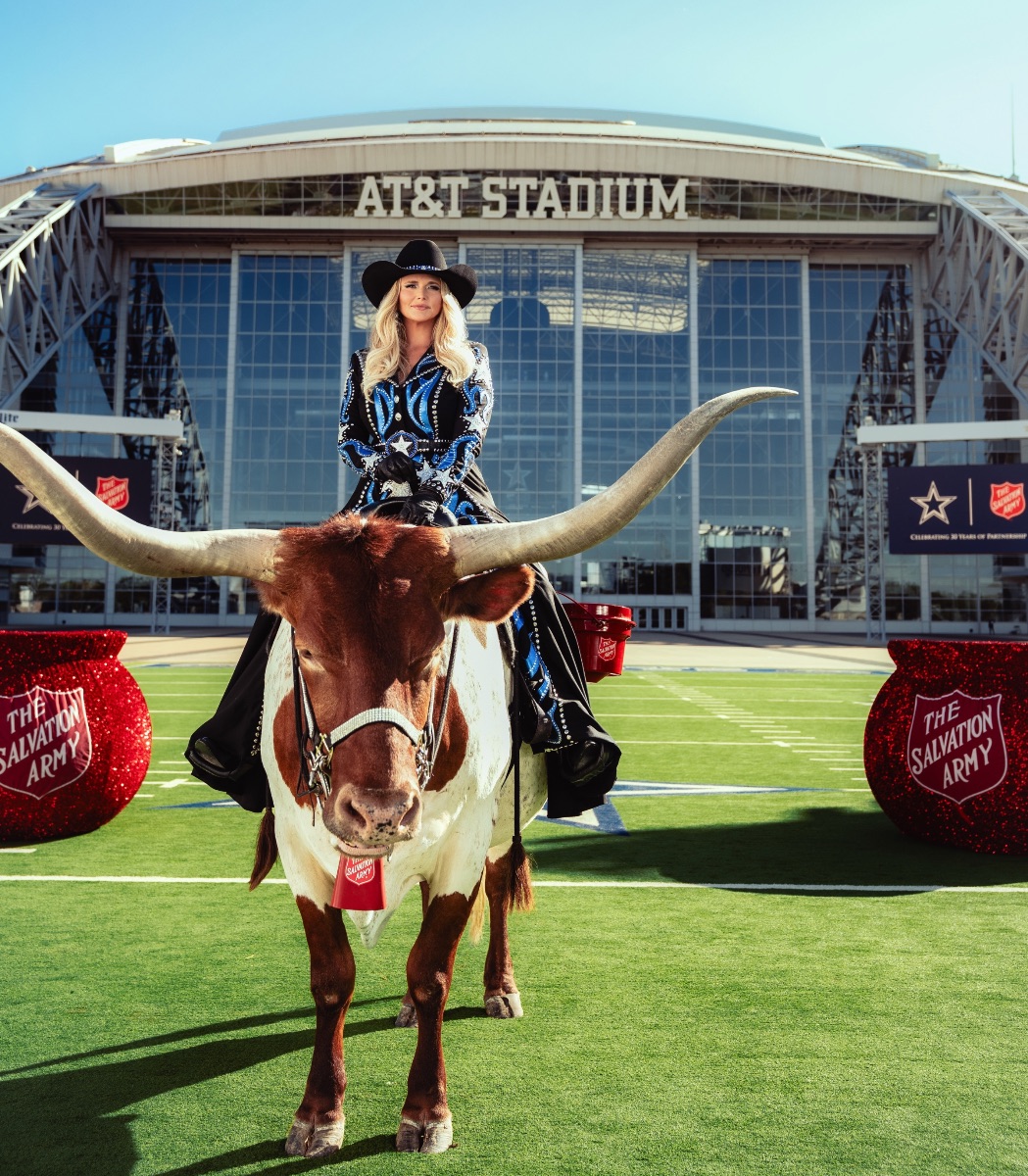
Multi-Platinum, three-time GRAMMY Award-winning country music superstar Miranda Lambert will perform live at AT&T Stadium during the nationally televised Dallas Cowboys Thanksgiving Day game against the Philadelphia Eagles for the 30th consecutive Salvation Army Red Kettle Kickoff halftime show. The game will air on Fox at 3:30 p.m. CST, shining a spotlight on the needs of millions during the holiday season and throughout the year.
This year marks The Salvation Army’s 136th Red Kettle Campaign. Over the last three decades, the kickoff performance has become a holiday staple, using one of the biggest national stages in sports to help the Red Kettle Campaign raise more than $3.4 billion.
“There’s something special about how music brings people together, especially when it’s to spread joy and hope to families who need it most,” said Lambert. “The Salvation Army and the Dallas Cowboys have built an incredible tradition with the Red Kettle Kickoff, and I can’t wait to be back home in Texas this Thanksgiving to help carry it forward.”
“The Red Kettle Kickoff has become one of the Dallas Cowboys’ proudest traditions and one my family and our entire organization look forward to every Thanksgiving,” said Charlotte Jones, chief brand officer and co-owner of the Dallas Cowboys and former national advisory board chairman for The Salvation Army. “For 30 years, incredible artists have appeared on our halftime stage to help The Salvation Army bring hope to millions of people in need. We’re grateful to Miranda Lambert for joining that legacy and helping us continue this meaningful tradition.”
That tradition began with Jones herself. In the 1990s, her dad, Dallas Cowboys Owner, President and General Manager Jerry Jones, challenged her to inspire fans to care as much about the Cowboys’ impact off the field as they did about the game itself, and the Joneses saw an opportunity to partner with an organization making a real difference in communities across the country. Charlotte envisioned turning the team’s nationally televised Thanksgiving halftime show into the launch of The Salvation Army’s Red Kettle Campaign, pitched the idea to network executives, and has championed the partnership ever since.
Reba McEntire headlined the inaugural show in 1997, followed by iconic artists including Destiny’s Child, Carrie Underwood, the Jonas Brothers, Selena Gomez, Dolly Parton, Lainey Wilson, and, most recently, Post Malone. Each performance rallies viewers to support The Salvation Army’s year-round work in their own communities.
“The Red Kettle Campaign gives people a simple way to spread joy and support their neighbors in need,” said Commissioner Merle Heatwole, national commander of The Salvation Army. “The Red Kettle Kickoff has brought that spirit of giving to a national audience for the last three decades. We’re grateful to the Dallas Cowboys, the Gene and Jerry Jones family, and Miranda Lambert for helping us kick off the season by bringing attention to the needs of neighbors throughout the nation.”
Every donation stays in the community in which it’s given to provide help and hope for those in need. To learn more, give help, or get help, please visit SalvationArmyUSA.org.
About Miranda Lambert
Miranda Lambert has defined her multifaceted career as an artist, entertainer, producer, entrepreneur, advocate and businesswoman with an unflinching quest for excellence, honesty and conviction. Her latest album, Crisco, featuring current single “Snakeskin Boots” with Ella Langley, is available everywhere now via MCA and continued her unbroken streak of 11 consecutive Top 10s on the Country Albums chart. The most-awarded artist in Academy of Country Music history, including their top honor for Entertainer of the Year, she has also won three GRAMMYs, 14 Country Music Association Awards and was named to the TIME 100 list of the world’s most influential people. Lambert has taken those standards to become a New York Times bestselling author and a label co-founder, teaming with longtime collaborator Jon Randall to launch their own imprint, Big Loud Texas, in partnership with Big Loud Records. Her passion for animals inspired the creation of MuttNation Foundation, a 501(c)(3) nonprofit which has raised over $15 million since inception to promote shelter pet adoption, support rescue organizations nationwide, advance spay & neuter and help shelters recover from natural disaster.
About The Salvation Army
The Salvation Army provided more than 28 million service touchpoints to people in 2025, helping them overcome poverty, addiction, and spiritual and economic hardships by preaching the gospel of Jesus Christ and meeting human needs in His name without discrimination. From providing food, shelter, and eviction prevention assistance to emergency disaster relief, rehabilitation, youth programs, and spiritual enrichment, The Salvation Army serves communities across the United States through nearly 7,600 centers of operation. For more information, visit SalvationArmyUSA.org.
 Kacey Musgraves Crosses the Borderline: Tex Mex Tapes Brings a Spanish-Language Companion Album in January
 Waylon Hanel Releases New Single ‘George, Why’d You Make Me Cry,’ a Tribute to George Jones
 Rising Country-Pop Star and Allentown Native Georgia Owen Returns Home to Headline Performances at Fall Harvest Festival
 Emmy-Winning Artist Claude Carmichael Performs on WoodSongs Old-Time Radio Hour Ahead of ‘Tennessee Hill’ Release ShowSmith-Njigba, Wilson Lead Seahawks Past Chiefs 20-3 on Sunday Night, Handing Kansas City Its First LossSix Straight: No. 12 Kentucky Erases Early Hole to Beat Vanderbilt 34-17Texas Holds On This Time: Longhorns Survive Ole Miss Comeback 34-27Orsan at the Buzzer: South Carolina Shocks No. 11 Tennessee 27-24 in Columbia
-

 We Speak Jazz3 days ago
Toronto Jazz Singer Ori Dagan Announces First Live Album ‘Live in the Market’ for October 23 Release
-

 We Speak Comedy4 days ago
Nate Bargatze Plays Rexburg Tomorrow, Then Settles Into Las Vegas on the Record-Breaking Big Dumb Eyes Tour
-

 WE Speak MMA4 days ago
UFC 334: Gane vs. Hokit, Harrison vs. Nunes Title Fights Set for November 14 at Madison Square Garden
-

 We Speak Movies2 days ago
AFI Fest 2026 Opens in Hollywood: Laika’s ‘Wildwood’ Kicks Off the Festival’s 40th Edition