
We Speak Arts
Rameau’s Pygmalion Comes to Life at the Opéra Royal de Versailles

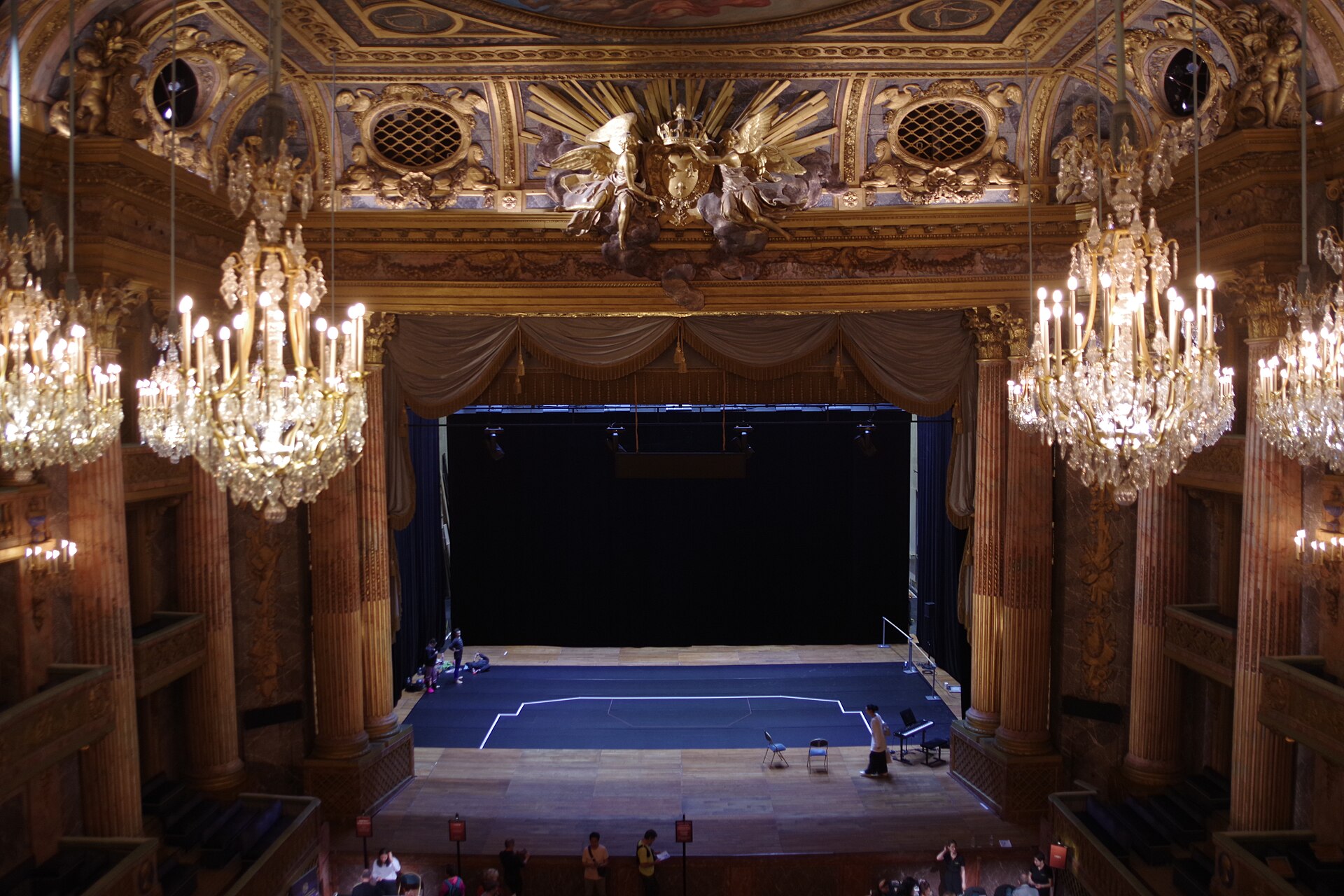
The Opéra Royal de Versailles will bring one of theatre’s most enduring myths to its historic stage in January 2027, in a new staging of Rameau’s Pygmalion paired with Gluck’s Le Cadi dupé from 29 to 31 January 2027.
Directed by Jean-Romain Vesperini, with Gaétan Jarry conducting the Orchestre de l’Opéra Royal, the double bill runs Friday 29, Saturday 30 and Sunday 31 January 2027 at the Opéra Royal. Rameau’s acte de ballet tells of a sculptor who brings the statue he loves to life through the power of love, while Gluck’s little-known opéra-comique follows a scheming magistrate duped through disguise and comic misunderstanding.
Mathias Vidal sings the title role in Pygmalion and also sings Nouradin in Le Cadi dupé. He leads a young cast drawn largely from the Royal Opera Academy: Sarah Charles (Love / Fatime), Camille Brault (Céphise / Oméga), Clara Penalva (The Statue / Zelmire) and Alexandre Adra (The Cadi), with Timothée Varon as Omar. The production features sets by Antoine Fontaine, video by Étienne Guiol and choreography by Pierre-François Dollé, with costumes from the Opéra Royal’s own collections.
The staging follows Vidal’s 2024 recording of the role on Pigmalion (CVS182), released on the Château de Versailles Spectacles label, on which Camille Delaforge and Ensemble Il Caravaggio set Rameau’s work alongside the rediscovered Pigmalion of Antoine Bailleux.
First performed at the Académie Royale de Musique in 1748 to a libretto by Ballot de Sauvot, Pygmalion distils Rameau’s writing into a single act, with orchestral writing, a sequence of dances charting the statue’s awakening from marble to flesh, and a title role written for Pierre de Jélyotte, the celebrated haute-contre of the Paris Opéra. Composed for Vienna’s Burgtheater in 1761 to a libretto by Pierre-René Lemonnier, Gluck’s Le Cadi dupé is a French opéra-comique on an alla turca theme, in which two young lovers enlist a cunning servant to outwit the Cadi who opposes their marriage.
Both works are sung in French with French and English surtitles. Running time is 2h15 including interval.
Read Next
KMSKA Reimagines Its Modern Masters in a New Collection Display From 28 November
Anozero’26 Takes ‘To Hold, to Give, to Receive’ to Reykjavík’s Kling & Bang
Danh Vo Makes His Canadian Museum Debut at the AGO With Ships That Pass in the Night
 KMSKA Reimagines Its Modern Masters in a New Collection Display From 28 November
 Anozero’26 Takes ‘To Hold, to Give, to Receive’ to Reykjavík’s Kling & Bang
 The Gift That Could Change a Child’s Future: Art4Kids Seeks Corporate Sponsors and Philanthropists for The Winter Fantasy Ball
 Danh Vo Makes His Canadian Museum Debut at the AGO With Ships That Pass in the Night
 Lenny Kravitz Joins HITMAN World of Assassination as Bawma in New Elusive Target The Mutiny
 Manic Miner Returns on December 3 With Matthew Smith’s Blessing
 Víctor Manuelle Premieres the Music Video for “Me Preguntó un Extranjero”
 Aniki Games Announces Tiny Routes, a Transit Puzzle for Steam in Early 2027
Are you an artist or a business with a story to tell?
Get Featured on We Speak Media
Are you an athlete ready for your moment?
Get your Athlete Spotlight



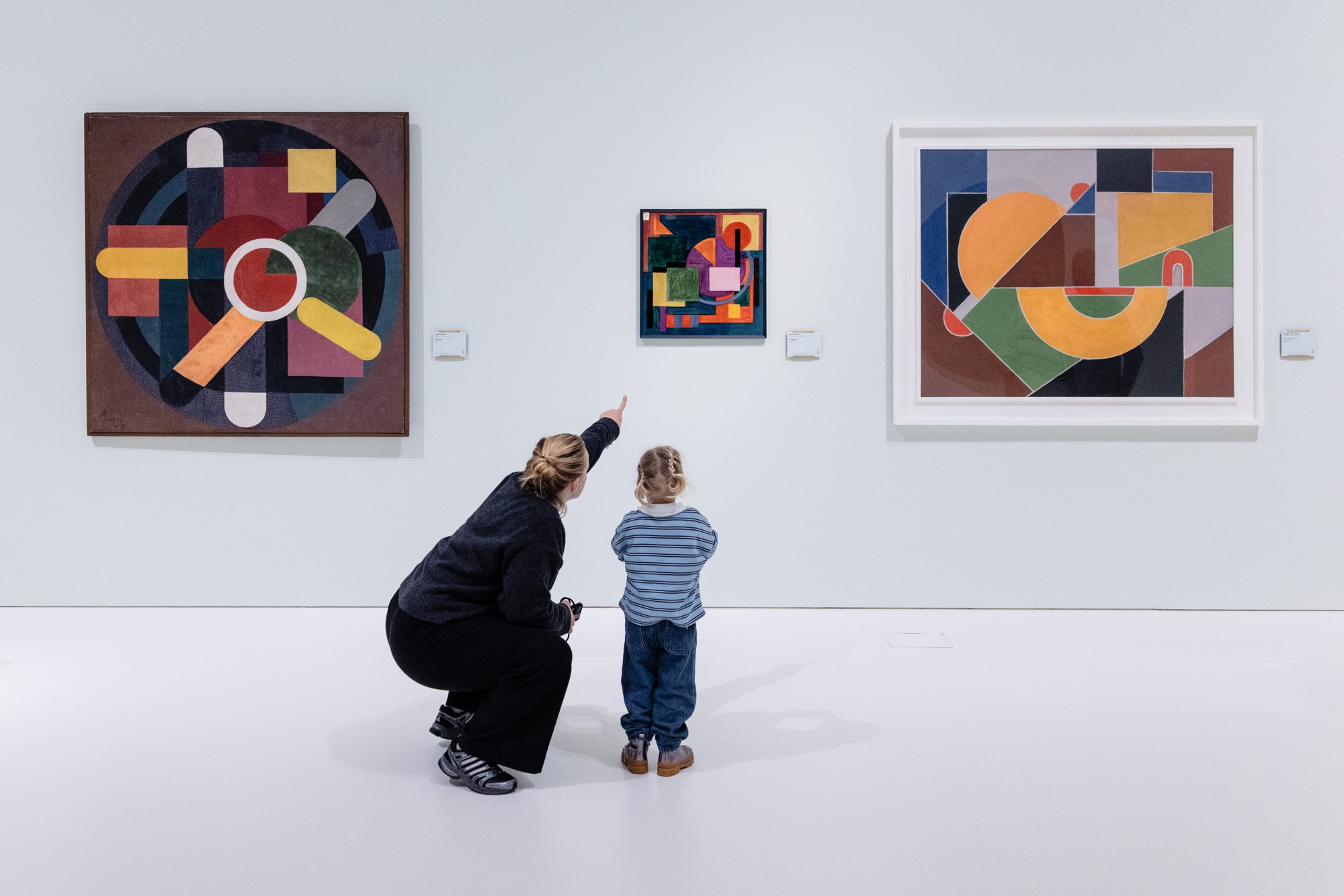
The Royal Museum of Fine Arts Antwerp (KMSKA) will unveil a completely reimagined presentation of its modern masters from 28 November, pairing the new layout with a transformation of the Ensor galleries. Seven new themes will draw out unexpected connections between artists, ideas and artistic periods, and major long-term loans — world-class works by Frank Stella, Andy Warhol and George Segal among them — will hang side by side with masterpieces from the museum’s own collection.
Since reopening, the museum has treated its permanent collection as something to keep reinterpreting, not just to preserve. Exhibits change position, travel to other museums and open up new narratives. Last spring the Ensor galleries and the modern wing made way for Antony Gormley. Geestgrond; this autumn that first gives way to the modern masters in their new arrangement. Of the more than 195 works on display, at least 56 are being shown for the first time since the reopening — works from the museum’s own holdings, acquisitions and donations, supplemented by special loans.
“On the one hand, pieces from the KMSKA’s collection travel the world, enriching exhibitions at domestic and international museums. On the other, this allows us to enhance our own display of the collection with long-term loans and leading international works from private collections. In this way, the museum continually explores new perspectives and fosters valuable interactions,” says Carmen Willems, general director of the KMSKA.
Belgian abstraction will feature prominently. Jozef Peeters, Georges Vantongerloo and Marthe Donas in Antwerp, and Victor Servranckx and Pierre-Louis Flouquet in Brussels, were pioneers of that artistic renewal; their work will be presented in dialogue with post-war abstraction and set within a broader international context. Greater attention will also go to the role of female artists in the development of modern art, with Jane Graverol, Juliette Roche, Liliane Vertessen and Evelyne Axell representing a diverse range of practices throughout the presentation.
The highlights of the modern collection keep their key position but are shown through new perspectives, while lesser-known works come to the fore. The Ensor galleries remain the beating heart of the world’s largest Ensor collection, with the updated presentation bringing his versatility into sharper focus — his observations of landscape, light, nature and the people around him, his still lifes and his beloved Ostend, and his imaginative world of masks and skeletons, alongside correspondence and archival materials. Key contemporaries and sources of inspiration, including Henri Evenepoel, Théo van Rysselberghe and Henri De Braekeleer, plus several exceptional loans, place his work in a broader perspective.
Following the success of A Red that Sings, the KMSKA remains committed to the three major Belgian colourists: alongside James Ensor, the extensive collections of Rik Wouters and Jules Schmalzigaug will feature extensively. The old arrangement focused on light, colour and form gives way to seven themes — among them the tension between urban and rural life in Paul Joostens, Frans Masereel, Jean Brusselmans and Constant Permeke, the intuitive imagery of CoBrA, the surrealism of René Magritte and the Pop Art of Liliane Vertessen and Tom Wesselmann.
The historical galleries are evolving too. A flexible gallery will take on a new role from November, showcasing donations through a permanent wall of benefactors and temporary short-term displays, opening with a one-month exhibition dedicated to a donation by contemporary artist Narcisse Tordoir. In 2027, Collected with Vision returns, with Romanian artist Adrian Ghenie offering a contemporary interpretation of Rubens’ Adoration of the Magi and David Claerbout’s video art engaging in dialogue with the Old Masters.
The KMSKA is the largest art museum in Flanders, with masterpieces from the Flemish Primitives and the Antwerp Baroque to an extensive modern collection featuring Rik Wouters, Henri de Braekeleer and René Magritte — Old Masters in the historic galleries, modern masters in the new wing, and the world’s largest James Ensor collection as the bridge between the two.
Read Next
- Anozero’26 Takes ‘To Hold, to Give, to Receive’ to Reykjavík’s Kling & Bang
- Danh Vo Makes His Canadian Museum Debut at the AGO With Ships That Pass in the Night
- Anas Hassouna and Oussama Fares Bring Noël des autres Back to L’Olympia on December 27
 Rameau’s Pygmalion Comes to Life at the Opéra Royal de VersaillesAnozero’26 Takes ‘To Hold, to Give, to Receive’ to Reykjavík’s Kling & BangThe Gift That Could Change a Child’s Future: Art4Kids Seeks Corporate Sponsors and Philanthropists for The Winter Fantasy BallDanh Vo Makes His Canadian Museum Debut at the AGO With Ships That Pass in the NightLenny Kravitz Joins HITMAN World of Assassination as Bawma in New Elusive Target The MutinyManic Miner Returns on December 3 With Matthew Smith’s BlessingVíctor Manuelle Premieres the Music Video for “Me Preguntó un Extranjero”Aniki Games Announces Tiny Routes, a Transit Puzzle for Steam in Early 2027
-

 We Speak Latin2 days ago
Anthony Ramos Releases New Holiday Single ‘En Las Alturas / In The Highest’
-

 We Speak Rock1 day ago
State Champs Bring the Around the World and Back Again Tour to Starland Ballroom on November 27
-

 We Speak Soul2 days ago
The D’Angelo Estate Releases ‘Kamikazi,’ the First Official D’Angelo Single Since His Passing
-

 We Speak Rock3 days ago
Roger Waters Presents LEGACY: A Pink Floyd Tribute Show Performed by the Harry Waters Band at AFAS Live