
We Speak Music
Sakai Unleashes Debut EP ‘Do You Like Me Now?’

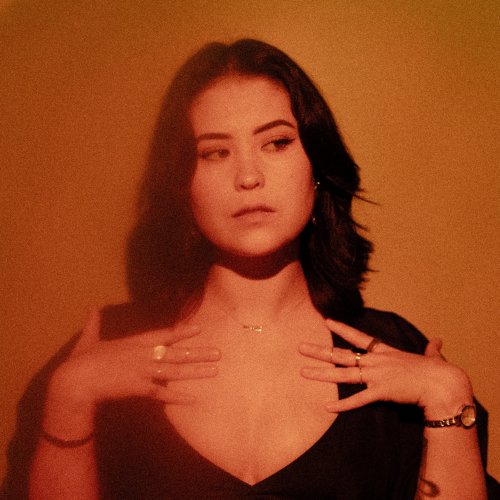
Some records ask to be heard. Do You Like Me Now? asks to be felt. Sakai’s debut EP is an elegant meditation on vulnerability, identity and emotional contradiction, unfolding across four songs that blur the boundaries between indie rock, soul, jazz and traditional Japanese musical influence. It is a release that favours atmosphere over excess, finding beauty in restraint while never sacrificing emotional impact.
The emotional core belongs to Marié Sakai, whose songwriting transforms deeply personal experiences into universally resonant narratives. Rather than presenting vulnerability as something to overcome, the EP embraces uncertainty as an essential part of human connection. Questions remain unanswered throughout, allowing listeners to inhabit the emotional spaces between certainty and doubt.
That openness extends to the music itself. “Orange Tree” stands as a quietly remarkable composition, inspired by an eighth century Japanese poem and enriched through the Hirajoshi scale and Marié’s return to the flute. The arrangement feels graceful without becoming delicate, balancing cultural heritage with contemporary alternative songwriting in a way that feels instinctive rather than self conscious.
The remaining songs each reveal different emotional textures. “Out” captures the internal friction between ambition and avoidance through expansive arrangements that continually shift beneath Marié’s expressive vocals. “Wanted” radiates quiet intimacy, its shimmering guitar harmonics adding warmth to an already affecting performance. The title track provides an emotionally satisfying conclusion, examining people pleasing and identity through dynamic instrumentation that builds naturally towards its memorable piano driven finale.
Recorded between Tiny Telephone Recording and Women’s Audio Mission, and brought together through Danielle Goldsmith’s spacious production, the EP possesses a tactile sense of place that complements its lyrical introspection. Do You Like Me Now? introduces Sakai not simply as accomplished musicians, but as thoughtful storytellers whose willingness to embrace complexity feels increasingly valuable within today’s alternative landscape.


We Speak Hip-Hop
ATL Legend Lil Atlanta of Trillville Turns Up the Energy With New Single and Music Video “Turn Me Up”

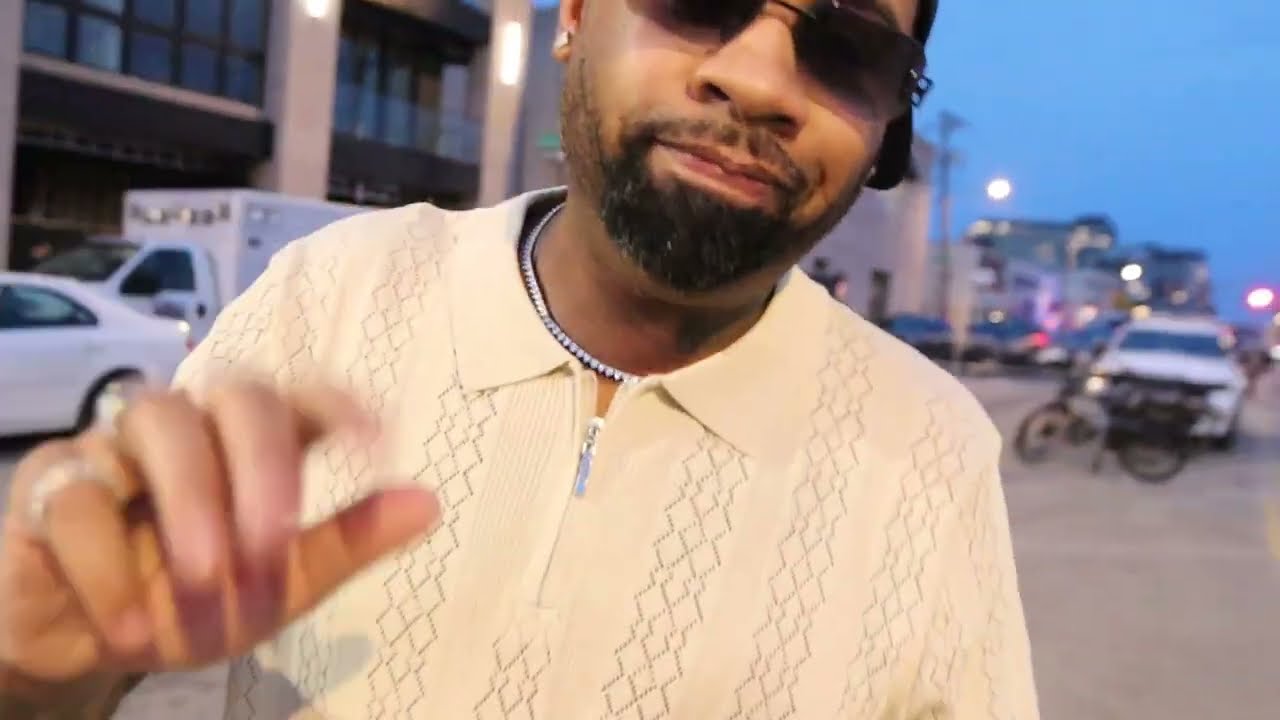
Atlanta hip-hop veteran Lil Atlanta of the legendary group Trillville, also known as Mr. Edwards, is back with his new single and official music video, “Turn Me Up,” available now on digital streaming platforms.
Known for helping shape the sound and energy of Atlanta’s influential crunk era, Lil Atlanta continues to represent the city’s musical legacy while introducing new music to longtime fans and a new generation of listeners.
Watch the official video:
The official music video brings together a lineup of hip-hop heavyweights, featuring special appearances by Trillville, Scrappy, Bone Crusher, Crime Mob, Philly Freeway, F.L.Y. and Travis Porter. The visual celebrates the artists, connections and culture that helped put Atlanta hip-hop on the map.
Directed by Benny Fame (@Bennyfame_bigmoves), “Turn Me Up” delivers high-energy visuals that connect Atlanta’s hip-hop legacy with a fresh chapter in Lil Atlanta’s musical journey.
Released through Global Move Entertainment, the single is available now on Apple Music, with the official music video streaming on YouTube.
Follow the artist on Instagram: @LilAtlantaTrill and @RealMrEdwards.
-

 We Speak Dining & Drinks2 days ago
Off The Rails Opens in Boston, Bringing Nashville-Inspired Dining, Live Music and High-Energy Entertainment Downtown
-

 We Speak Music1 week ago
Fox De La Rose Refuses To Be Defined On ‘Nothing Is Written In Stone’
-

 We Speak Music1 week ago
Didn’t get tickets to Oasis? Buying for the dad who still talks about that gig in 1996
-

 We Speak Music1 week ago
Desire Machines Pair Literary Inspiration With Psychedelic Art-Rock On New Single