
We Speak Financials
What Is a Stock Market? A Plain-Language Guide for Beginners
A stock market is a place where buyers and sellers meet to trade shares in companies. This plain-language guide explains how it works, who is involved, and why prices move.

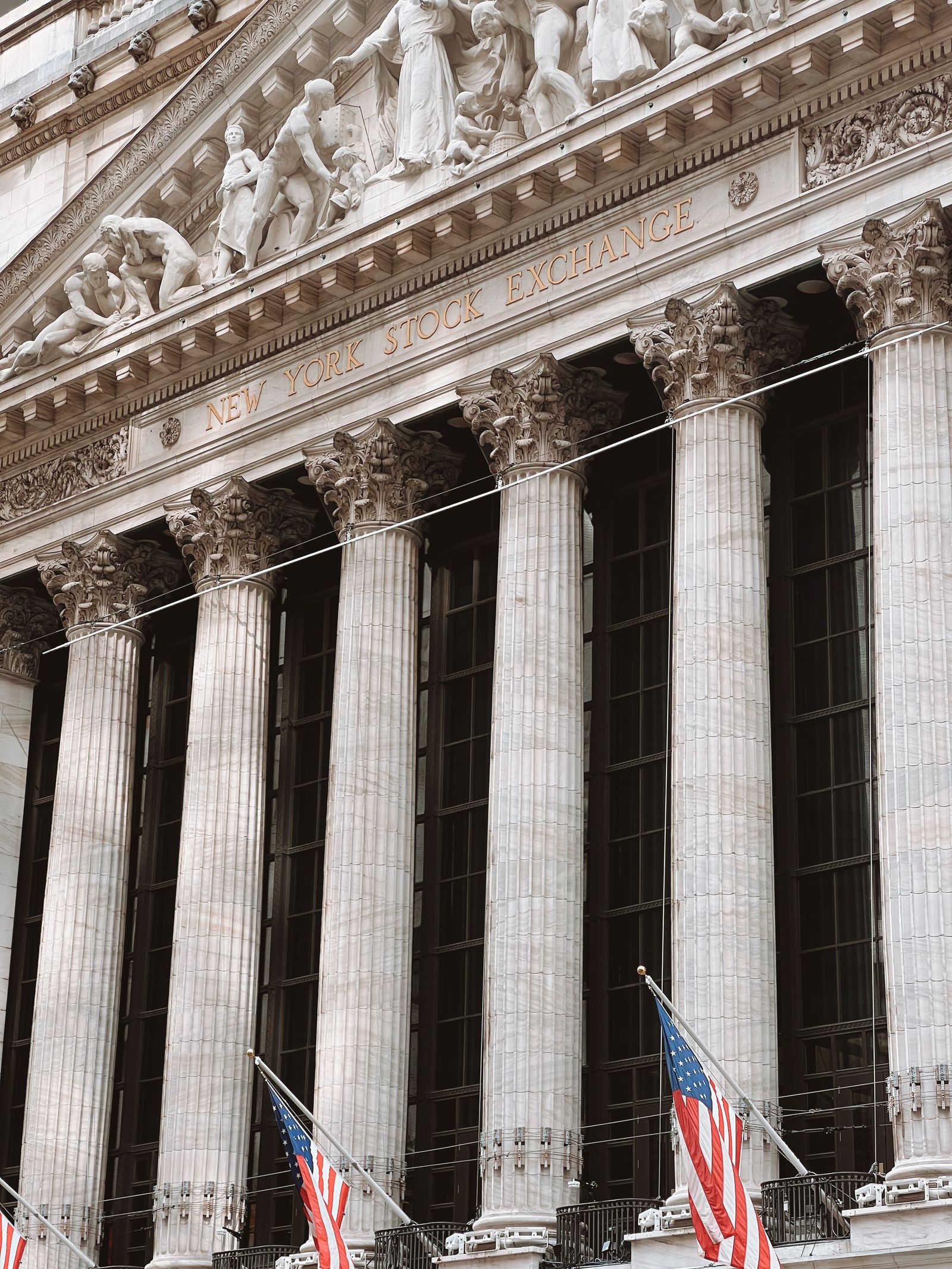
A stock market is a place where buyers and sellers meet to trade shares in companies. It is not a single building, and it is not a game. It is a set of rules, exchanges and computer systems that let people buy and sell pieces of businesses, and let those businesses raise money to grow. This guide explains how it works, in plain words.
What a Share Actually Is
A share is a small piece of ownership in a company. When a company sells shares to the public for the first time, in what is called an initial public offering, it is selling pieces of itself to raise money. After that, those shares trade between investors on a stock exchange. The company does not get the money from those later trades; the money goes from the buyer to the seller. What the company gets from a higher share price is a higher value for the business, which makes it easier to borrow, hire and invest.
When you buy a share of Nvidia, for example, you are buying a small piece of a company that makes computer chips. On Monday, November 23, 2026, Nvidia’s shares closed at $165.05 after rising 31.48 percent in one day. That price is what the last buyer and seller agreed on. It is not a verdict on the company’s worth, and it is not a promise about tomorrow. It is a price, set by supply and demand, at a moment in time.
What an Exchange Does
An exchange is the marketplace where the trading happens. The New York Stock Exchange, on Wall Street in New York City, is the largest stock exchange in the world by the value of the companies listed on it. The Nasdaq is another large American exchange, and it lists many technology companies. When you place an order to buy a share, it is matched with an order from someone willing to sell, and the trade is recorded. Most of this now happens electronically, in fractions of a second, but the idea is old: a central place where buyers and sellers can find each other and agree on a price.
Why Prices Move
Prices move because expectations change. If a company reports strong earnings, raises its outlook or appoints a new chief executive, more people may want to buy its shares, and the price rises. If interest rates rise, or a company’s sales slow, fewer people may want to buy, and the price falls. On Monday, November 23, the S&P 500 rose 4.73 percent to 7,237.17 after falling for seven straight sessions. The move was driven by a single piece of news, Nvidia’s chief executive returning, and by a broader rebound in technology stocks. One day’s move can be large, and it can reverse just as fast.
What an Index Is
An index is a basket of stocks that is tracked as a single number. The Dow Jones Industrial Average tracks 30 large American companies and closed Monday at 49,595.30. The S&P 500 tracks 500 large companies and closed at 7,237.17. The Nasdaq Composite tracks the companies listed on the Nasdaq exchange, many of them in technology, and closed at 24,089.56. When the news says “the market rose today,” it usually means one of these indexes rose. An index is a summary, not a stock you can buy directly, though there are funds that track indexes.
Who Is in the Market, and Why
People and institutions come to the market for different reasons. Companies come to raise money. Pension funds and retirement accounts come to invest savings for the long term. Traders come to buy and sell over days or hours. Banks and brokers sit in the middle, matching orders and holding shares on behalf of their customers. None of this is a promise of profit. Shares can fall as well as rise, and a company can fail. The market is a tool for moving money between people who have it and businesses that can use it. Understanding that, and not treating it as a shortcut to wealth, is the first step to understanding finance at all.
Read Next
Tom Lee Called 7,700 by Christmas. The Market Got There in October, So He Moved His Target to 8,000
https://wespeakmedia2.com/tom-lee-called-7700-by-christmas-the-market-got-there-in-october-so-he-moved-his-target-to-8000/
The Lakers Sale Closes In on a Record $12.5 Billion Valuation
https://wespeakmedia2.com/the-lakers-sale-closes-in-on-a-record-12-5-billion-valuation/
NBA Teams Are Now Worth $199 Billion Together, and the Warriors Sit on Top at $14.5 Billion
https://wespeakmedia2.com/nba-teams-are-now-worth-199-billion-together-and-the-warriors-sit-on-top-at-14-5-billion/
 How Howard Schultz Built Starbucks From One Seattle Coffee Shop
 Debt, Explained: How Interest Works and How Borrowers Get Ahead of It
 Credit Scores and Credit Cards, Explained Without the Hype
 How a Budget Actually Works: A Plain-Language Guide to Planning Your Money
 Junior Pro Brings His Own Spin to the Holiday Canon on New Christmas LP COLD, Out December 4
 Frank Black Shares Live Videos for “Speedy Marie” and “Calistan” Ahead of Teenager Of The Year – Live, Out November 27
 Andy Schweigardt Takes Over as Chair of North American International Cataloguing Standards Committee
 Five Names Chase PGA Tour Player of the Year as 2026 Nicklaus and Palmer Award Nominees Are Revealed
Are you an artist or a business with a story to tell?
Get Featured on We Speak Media
Are you an athlete ready for your moment?
Get your Athlete Spotlight



We Speak Financials
How Howard Schultz Built Starbucks From One Seattle Coffee Shop
Howard Schultz did not found Starbucks, but he turned a small Seattle coffee shop into a global company. This is the business story of how he did it, and what it cost.
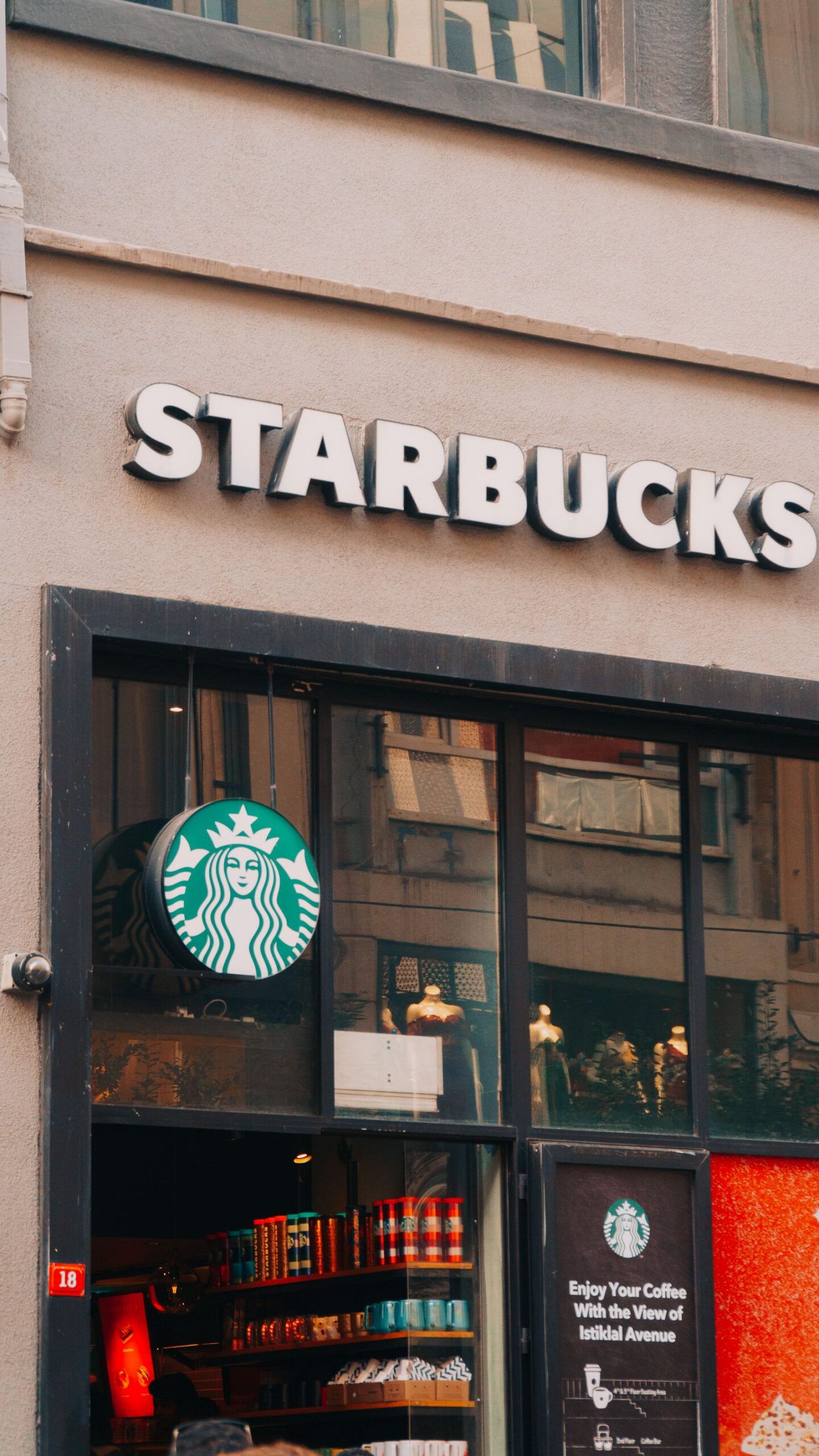
Howard Schultz did not found Starbucks. He found it as a small Seattle shop that sold coffee beans, and he turned it into a company that sells coffee by the cup all over the world. The story is not about inventing coffee. It is about seeing a different business in the same product, and then building it, shop by shop, for decades.
The Shop He Found
Starbucks began in 1971, when three partners, Jerry Baldwin, Zev Siegl and Gordon Bowker, opened a shop in Seattle’s Pike Place Market that sold coffee beans and equipment. It did not sell brewed coffee by the cup. It was a specialty retailer, and it was small. Schultz joined the company in 1982 as its director of marketing. He had grown up in public housing in Brooklyn, New York, and he had worked his way through college and into sales. He was not a coffee expert. He was a salesman who noticed what customers wanted.
The Trip to Milan
In 1983, Schultz traveled to Milan, Italy, for a trade show, and he saw something that changed his thinking: espresso bars on almost every corner, where people stood at the counter, drank a small coffee, talked to the barista and went on with their day. Coffee in Milan was not a product on a shelf. It was a daily ritual, and a place. Schultz came home convinced that Starbucks should sell coffee by the cup, in a shop built around that ritual. The founders disagreed. They wanted to stay a bean retailer. Schultz left in 1985 and started his own coffee-bar company, Il Giornale, to prove the idea himself.
Buying the Company
In 1987, the founders of Starbucks decided to sell. Schultz raised money from investors and bought the company for $3.8 million, merging it with Il Giornale and keeping the Starbucks name. He was 34 years old, and he now owned a handful of Seattle shops and a big idea. Over the next five years, he opened stores across the American West and in Chicago, selling the experience as much as the coffee: the smell, the names of the drinks in Italian, the baristas who knew regular customers. By the time Starbucks went public in 1992, it had grown from a handful of shops to more than 100 stores.
What the Business Actually Sold
Schultz often described Starbucks as a “third place”: not home and not work, but a place in between where people could sit, meet and linger. That idea shaped everything about the shops, from the chairs to the music to the way drinks were made in front of customers. It also shaped the economics. A cup of coffee costs little to make, so the margin on each drink is high, as long as enough people come through the door. The challenge was getting them to come every day, and to pay more than they would for coffee at home. The answer was the experience, repeated consistently in every store.
Schultz also built the company around its workers. Starbucks offered health care to part-time employees and gave stock options to workers, which it called Bean Stock, at a time when few retailers did either. The logic was business, not charity: a company that depends on the person behind the counter cannot afford high turnover and low morale. The benefits were expensive, and they were part of the reason the company’s costs ran high, but they were also part of the reason its service stayed consistent as it grew.
The Hard Years, and the Return
Growth brought its own problems. By the mid-2000s, Starbucks was opening stores so fast that the experience Schultz had built began to thin out, and the financial crisis of 2008 hit sales hard. Schultz, who had stepped down as chief executive in 2000, returned to the job in 2008. He closed hundreds of underperforming stores, retrained baristas, and brought back the smell of fresh coffee by removing the sandwiches whose odor had filled the shops. He stepped down again in 2017, and returned briefly as interim chief executive in 2022, before leaving the company’s leadership for good. Each return followed the same pattern: the company had drifted from the idea that made it, and Schultz came back to restore it.
What the Story Teaches
The Schultz story is often told as a story of vision, but the business lesson is more practical. He did not invent a product. He took an existing product, coffee beans, and changed how it was sold: by the cup, in a place people wanted to be, at a price that reflected the experience rather than the cost of the beans. He borrowed money to buy a small company, grew it carefully, took it public, and kept control of the details that made it work. It is a reminder that in business, the product is only part of the company. The rest is the place, the people and the price, and getting those three right is the work of a founder.
Read Next
How Many Spotify Streams Does It Take to Make $100?
https://wespeakmedia2.com/how-many-spotify-streams-does-it-take-to-make-100/
Vinyl Passed Half a Billion Dollars and CDs Are Climbing Again. The Format Money, Explained.
https://wespeakmedia2.com/vinyl-passed-half-a-billion-dollars-and-cds-are-climbing-again-the-format-money-explained/
The Lakers Sale Closes In on a Record $12.5 Billion Valuation
https://wespeakmedia2.com/the-lakers-sale-closes-in-on-a-record-12-5-billion-valuation/
Debt, Explained: How Interest Works and How Borrowers Get Ahead of ItCredit Scores and Credit Cards, Explained Without the HypeHow a Budget Actually Works: A Plain-Language Guide to Planning Your Money Interest Rates, Explained: What They Do to Ordinary BorrowersJunior Pro Brings His Own Spin to the Holiday Canon on New Christmas LP COLD, Out December 4Frank Black Shares Live Videos for “Speedy Marie” and “Calistan” Ahead of Teenager Of The Year – Live, Out November 27Andy Schweigardt Takes Over as Chair of North American International Cataloguing Standards CommitteeFive Names Chase PGA Tour Player of the Year as 2026 Nicklaus and Palmer Award Nominees Are Revealed
-

 We Speak Rock4 hours ago
State Champs Bring the Around the World and Back Again Tour to Starland Ballroom on November 27
-

 We Speak Latin1 day ago
Anthony Ramos Releases New Holiday Single ‘En Las Alturas / In The Highest’
-

 We Speak Soul1 day ago
The D’Angelo Estate Releases ‘Kamikazi,’ the First Official D’Angelo Single Since His Passing
-

 We Speak College Football2 days ago
HBCU Roundup: SWAC Title Game Set as Alabama A&M Visits Prairie View, South Carolina State Finishes Perfect in the MEAC