
We Speak Coaches
From Volleyball Player to Volleyball Coach and Mentor: A Journey Fueled by Passion, Purpose, And A Commitment To Changing Lives

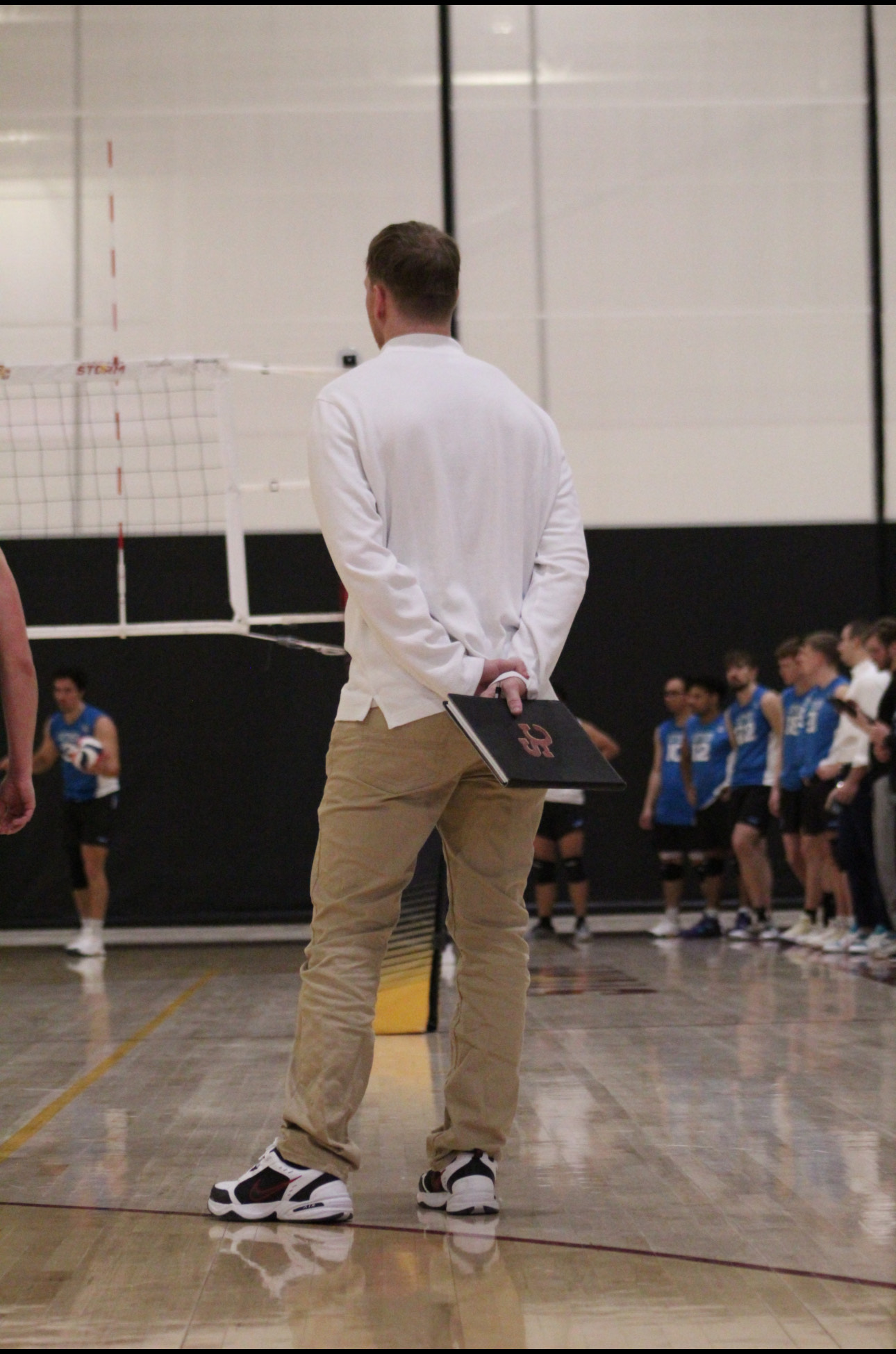
When it comes to building champions on and off the court, few names carry as much weight as Coach Ike Papes. With a relentless drive for excellence, and an unwavering commitment to his players, Papes has touched into a force to be reckoned with. Known for his sharp strategic mind and motivational leadership, Papes has earned the respect of athletes, peers, and fans alike proving that true coaching success goes far beyond the scoreboard.
Today we’d like to introduce you to Ike Papes.
Coach Papes, what first inspired you to become a coach?
I had a great coach in high school club volleyball who changed my life, and I wanted to give that same chance to another kid. My life is totally different because of that experience. My mom also coached me through grade school. I just love this sport the ins, the outs, all the in-between. I wouldn’t be doing anything else in my life except volleyball.
What’s the most rewarding part of coaching for you personally?
Watching the kids grow and learn new skills. The wins are nice and the losses are hard, but the guys I coach make it all worth it. I can connect with them and hopefully show and teach them that nothing is impossible—that they can achieve any goal they set.
How do you define success beyond wins and losses?
Growth. Just being 1% better every day. You’re not going to win every game, set, or point. And you’re not going to win in life every day. But it’s what you learn from it. That’s success without wins learning from when you lose and getting better because of it.

What’s one lesson your players have taught you?
Don’t look too far into the future be present. I’ve seen them go through the season saying things like, “I can’t wait till I graduate,” or “when I’m an upperclassman.” Then I see the sadness when they leave the team, and it hits me. I want to live every second with them and not take anything for granted.
How do you help your athletes grow as people, not just players?
We have a lot of talks about discipline and being a good person. I’ve laid out a handbook that’s structured to help them understand how to be not only a good player but also a good person. The whole goal after they graduate is to make them better people who are prepared for life.
How do you keep your team motivated during tough times?
We keep our eyes on the prize. We have a lot to work toward. We’re young and haven’t had a good year, so we’re always looking to get better. We’re not going to win those games without learning how to be in those games. Even when we lose the games we’re not supposed to, it’s always, “OK, how do we learn and never feel like this again?” Head down. Keep pushing.
What’s your favorite team tradition?
I wouldn’t call it a tradition, but we have “greeting touches.” When we see each other in the halls or whenever, you’ve got to fist bump, high-five, or hug some sort of connecting touch. I love it. I think it brings us closer, and it lets them connect without even realizing it.
What’s the proudest moment you’ve experienced as a coach?
Watching us win our first game with me as head coach—not for me, but for them. Seeing the change they made in just two weeks after I started, and realizing what we could do. I won’t get that feeling back of that first win.
How do you handle pressure and expectations as a coach?
Breathe. To be honest, I’m not going to be perfect. No coach is. I’m going to make mistakes. All I do is expect it, learn from it, and move on. When I feel like I’m under pressure, it reminds me how much I love this sport and how much I’m willing to do for it. I wouldn’t feel this way if I didn’t love volleyball.
What’s a fun ritual or superstition you have before games?
As a coach, I don’t really have any. I just let it begin.
How do you stay connected with former players?
We stay in contact through our group chats. We always have an alumni group chat to keep in touch—even 10 years from now. They’re part of what we were and they never leave.
What’s one piece of advice you’d give to young coaches just starting out?
I’m young, lol but keep your head down and learn. I still have a lot of learning to do.

What legacy do you hope to leave behind?
A coach who changes lives on and off the court. The wins would be cool, but it’s about the kids, not me. I want to change lives.
How has coaching shaped you as a person?
It’s kind of changed my life. I was always a hothead in college, but coaching has taught me to stay calm and collected. Now, when I play, it’s a different feeling it’s not just fire; it’s about how I can win within the game.
How do you handle the emotional weight of being a role model for young athletes?
It’s hard. I’m almost as old as they are. But it’s about being disciplined and doing what I preach to them. I slip up sometimes, but people learn from example and that’s what I try to be.
What’s your coaching philosophy?
Discipline not punishment, but mental and physical discipline. When bad things happen, have the discipline to stop, think, and make the smart move. Same on the court. Physically, it’s easy to slack off, eat poorly, and skip the gym. But have the discipline to keep grinding.
Can you share a game that changed your life as a coach?
I haven’t coached enough, in my opinion, to say that yet.
What’s the biggest life lesson you’ve learned from a certain loss?
No matter how much training, extra work, or planning you do sometimes it just doesn’t work out. And that’s OK.
How do you nurture leadership within your team?
I remind them that class, rank, or depth chart means nothing. Anyone can be a leader on the court. It doesn’t have to be the best player. It can be anybody as long as they have the right intentions for the team.
What is one piece of advice you constantly repeat to your team?
Discipline. I know I keep saying it, but it is the motto the base of a good team. I drive it into their heads because once we have that, we’ll go far.
Do you have a signature phrase or principle?
“100% for 100%.” Give me all of you, and I’ll give you everything I’ve got as well.
What is the toughest coaching decision you ever had to make?
I had to bench our best player for a weekend, and we lost three games we could have won. But I had to teach a lesson. It was the worst, but it had to be done.
How do you stay current with the game to keep evolving as a coach?
I play in the VLA and also play a lot of grass volleyball. I see new trends and try them out myself so I can show my guys how they work and how effective they are. I also love taking drills and techniques from other coaches on social media.
What would your players say about you as a coach?
I hope they’d say I’m a good coach who listens and pushes them to be their best on and off the court. Someone who wants to see them succeed more than anything.
How do you want to be remembered as a coach?
As a tough coach, but one who helps with hard life decisions and is there when things go bad. A path-changer, helping them find the right direction in life.
Whether you’re a coach, athlete, parent, or sports fan, I’d love to hear from you. Have a story idea? Want to collaborate on coverage? Looking to feature your team or athlete? Use the form below to get in touch.




We Speak Coaches
Building Champions On and Off the Court: The Heart and Dedication of a True Basketball Mentor

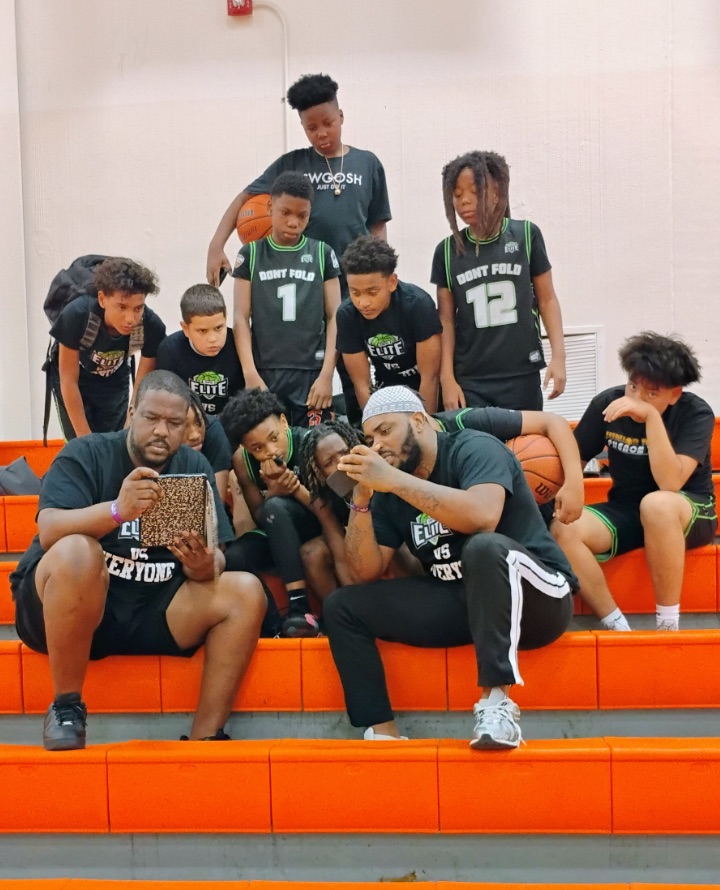
Coaching is more than just a job; it is a calling fueled by passion, purpose, and a deep desire to make a difference. For this coach, every practice and game is an opportunity to shape lives, build character, and inspire the next generation both on and off the court. Driven by the memories of mentors who guided him and a commitment to give back, he does not just teach basketball skills; he teaches respect, resilience, and belief. His greatest joy comes from watching young athletes grow into confident leaders, proving that coaching is truly about molding people, not just players.
What first inspired you to become a coach?
I was inspired to become a coach because I wanted to help the youth. Coaching is my way of giving back through basketball and repaying the coaches who supported me throughout my own basketball journey.
What’s the most rewarding part of coaching for you personally?
The most rewarding part of coaching is making the players believe in themselves and in each other. Seeing their confidence grow both on and off the court is what drives me every day.
How do you define success beyond wins and losses?
Success to me is about growth. It’s not just about winning games, but about improving from season to season—not only in basketball skills but also in attitude and character.
What’s one lesson your players have taught you?
My players have taught me the importance of always showing them that their coach believes in them. That belief is what fuels their motivation and effort.

How do you help your athletes grow as people, not just players?
I emphasize respect constantly. We talk about how you have to be respectable and give people something to respect. When they’re off the court, I encourage them to carry themselves with maturity and sense.
Share a moment that truly moved you during your coaching career.
One moment that really moved me was seeing a kid who couldn’t even walk with a basketball transform into the man on the court. Witnessing that kind of growth is incredibly fulfilling.
How do you keep your team motivated during tough times?
I remind the team that we are a family and families go through ups and downs. I encourage them to keep pushing forward because things will get better if we stay united.
What’s your favorite team tradition?
After every game, our team does 24 push-ups. It’s a tradition that builds discipline and reminds us to keep working hard.
What’s something your players might be surprised to know about you?
My players might be surprised to know that I wish I could have them all live with me. That way, I wouldn’t have to worry about them when I’m not around.
What’s the proudest moment you’ve experienced as a coach?
One of my proudest moments was starting DFEelite alongside CEO and Coach Tweezy. Building the 14U team has become like a family to me.
How do you handle pressure and expectations as a coach?
I handle pressure by focusing on growth and staying grounded. I trust the process and refuse to let outside expectations distract me from helping my players develop.
What’s a fun ritual or superstition you have before games?
Before each game, we clap our hands together and say, “We want all the smoke.” It fires us up and builds team energy.
How do you stay connected with former players?
Social media helps us stay connected and keep our relationships strong even after they leave the team.
What’s one piece of advice you’d give to young coaches just starting out?
I tell young coaches to coach their players hard on the court but always show them love off the court. That balance builds trust and respect.

What legacy do you hope to leave behind?
I hope to leave behind a legacy where DFEelite continues to support the Richmond community by helping kids grow through basketball and mentoring.
How has coaching shaped you as a person?
Coaching has given me the chance to share my knowledge of the game and help younger players develop. It has made me more patient and dedicated.
How do you handle the emotional weight of being a role model for young athletes?
I try to put myself in their shoes and always remind them that I’m tough on them because I care. Being a role model means balancing discipline with genuine concern.
What’s your coaching philosophy?
My coaching philosophy is simple: keep working and stay locked in. If you do that, the results will come.
What’s the most unexpected moment you’ve had as a coach?
One of the most unexpected moments was watching a quiet, overlooked player suddenly step up and lead the team when no one expected it. It reminded me that potential can come from anywhere.
What’s the biggest life lesson you’ve learned from a certain loss?
I’ve learned that sometimes losses teach you more than wins ever could. It’s about how you respond, how you lead, and how you grow afterward.
How do you nurture leadership within your team?
I nurture leadership by giving players responsibility and encouraging them to lead by example. True leadership is about actions, not just words.
What is one piece of advice you constantly repeat to your team?
I always tell my team that if they put in the work in the gym, the results will show up on the court.
Do you have a signature phrase or principle?
Yes, my signature phrase is: You can be a dawg, but make sure your teammates are dawgs too. It’s about building a strong team culture together.
What is the toughest coaching decision you ever had to make?
The toughest decision was releasing a player because we couldn’t manage the situation with the parents. It was a difficult choice but necessary for the team’s wellbeing.
How do you stay current with the game to keep evolving as a coach?
I stay current by constantly studying and watching the game. Basketball is always evolving, so I make sure to evolve with it.
What would your players say about you as a coach?
My players would say I’m tough on them but that I love them. They know my discipline comes from a place of care.
How do you want to be remembered as a coach?
I want to be remembered as a coach who really cared about his players—not just on the court, but in life.
Whether you’re a coach, athlete, parent, or sports fan, I’d love to hear from you. Have a story idea? Want to collaborate on coverage? Looking to feature your team or athlete? Use the form below to get in touch.
-

 We Speak Music1 week ago
Fox De La Rose Refuses To Be Defined On ‘Nothing Is Written In Stone’
-

 We Speak Music1 week ago
Didn’t get tickets to Oasis? Buying for the dad who still talks about that gig in 1996
-

 We Speak Dining & Drinks1 day ago
Off The Rails Opens in Boston, Bringing Nashville-Inspired Dining, Live Music and High-Energy Entertainment Downtown
-

 We Speak Music1 week ago
Desire Machines Pair Literary Inspiration With Psychedelic Art-Rock On New Single