
We Speak Fashion
Neiman Marcus Celebrates Black History Month

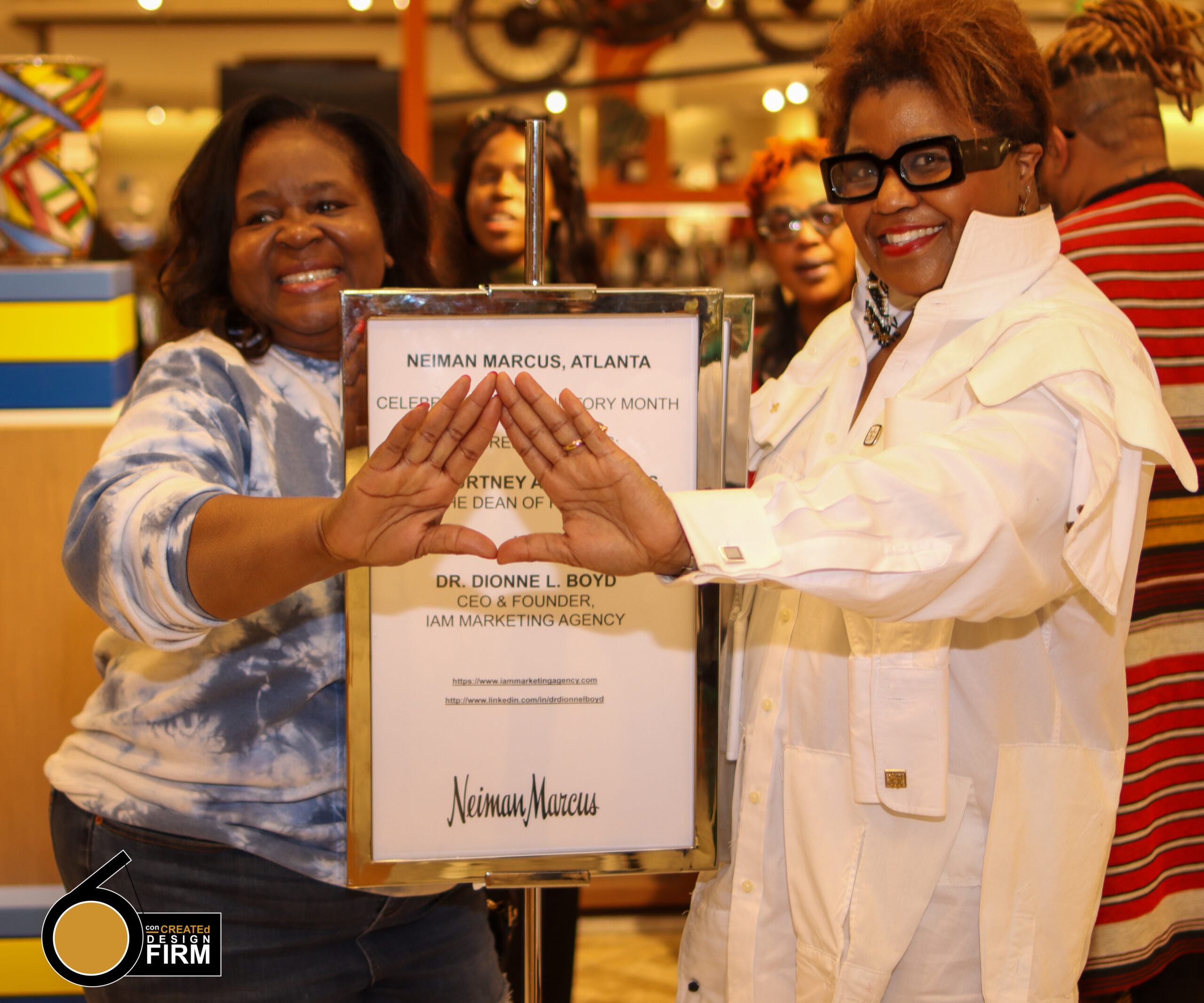
American integrated luxury fashion retailer Neiman Marcus Atlanta, presented homage to The Designer Collective for Black History Month Panel Discussion moderated by Dr. Courtney A. Hammonds, The Dean of Fashion, alongside Dr. Dionne Boyd and an extraordinary group of innovative Black fashion designers here to vanquish the status quo of luxury fashion. Sponsored by Moët Hennessy and La Fête du Rosé, elegance, sophistication, and grandeur were pillars lead the night, unapologetically displayed for all within eyeshot to marvel in during the star studded event, held on February 23, 2023, at NM Lenox Square. As the foundation of what NM Group stands for high end luxury fashion was front and center, with woven fabrics draped over shoulders, champagne flutes extended skyward and prominent artworks lining the aisles, the scent of the night was expensive colognes and perfumes, wafts of Cognac, and sophistication infused with stains of triumph and confidence never to be wiped off.
“The Dean of Fashion” taught a lesson plan in steadfastness, perseverance, and moxie not soon to be forgotten by any well dressed patron in attendance nor onlooker seeking the final piece to complete their ensemble for the night. Dr. Cah’ as he is referred to by his peers, invoked emotion from eyes behind shades with his thought provoking questions to panel members, melodic tone and transparency, not often seen by leaders of this generation. Needless to say this event was successful in changing the status quo in a way only possible in “the City to Fly to Hate” A-T-L-A-N-T-A





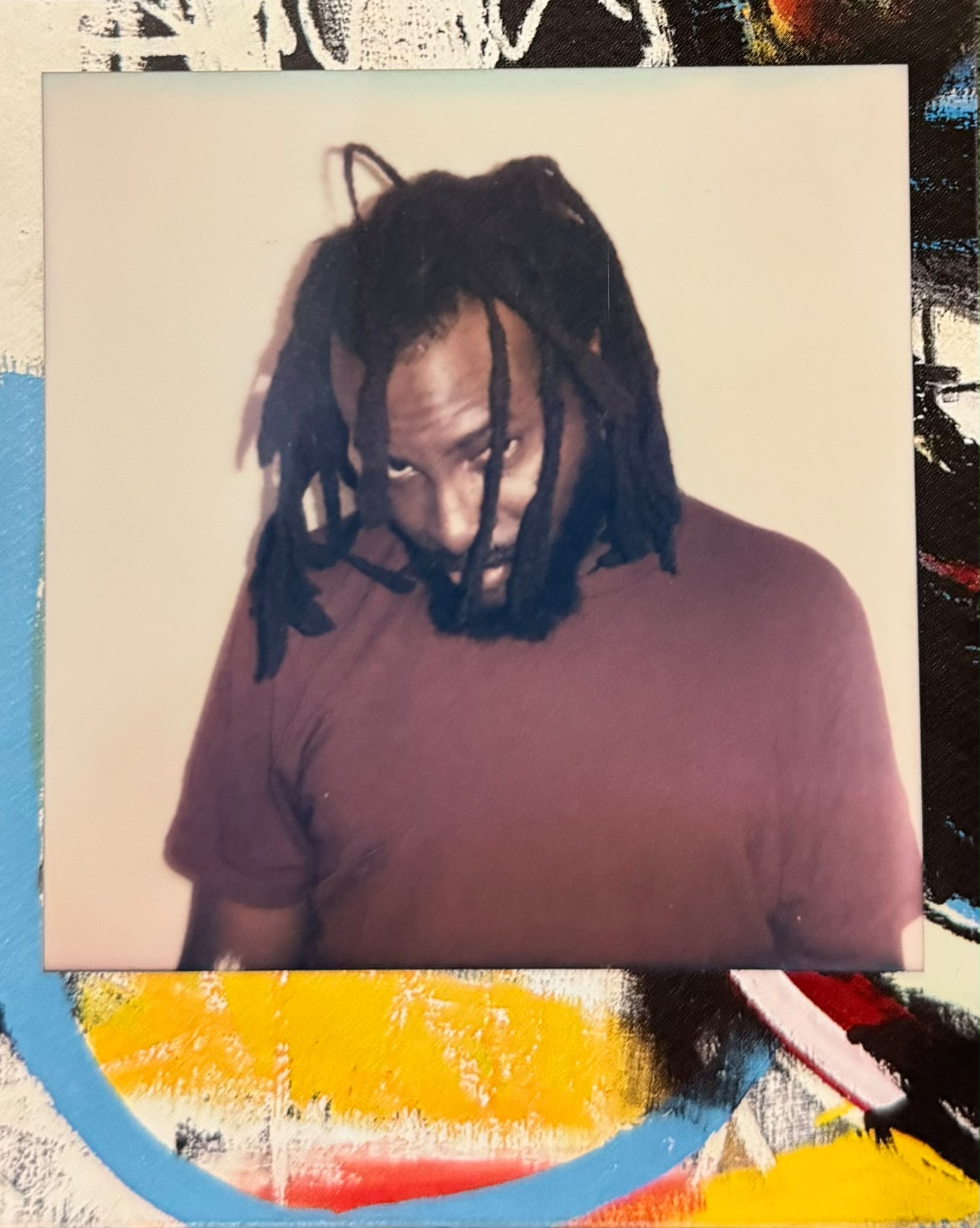
Ghanaian self-taught artist Samuel Kobina Blankson, professionally known as Themanyphacedgod, has built his artistic practice around the different ways people experience and understand themselves. He works across neo expressionism, surrealism and contemporary figurative painting, using distorted figures, fractured faces, symbols and words to explore identity, memory, transformation and the experiences that shape us.

His paintings are not straightforward representations of reality. Faces break apart, bodies become distorted and symbols appear within the compositions, giving the work an emotional quality that goes beyond what is immediately visible.
“I paint to make you feel you were part of the moment I froze.”
That statement captures much of Blankson’s approach. He is interested in preserving a feeling or atmosphere rather than simply recording an event. Each painting becomes a moment held in place, allowing an experience that might otherwise disappear to remain visible.
The decision to pursue art was also a personal one. Growing up in Ghana, Blankson initially faced expectations to pursue law or ministry, but he eventually chose art and earned a Bachelor of Arts in Graphic Design from the University of Education, Winneba. Since then, he has continued developing his practice independently through experimentation, intuition and lived experience.
Identity remains one of the strongest subjects in Blankson’s work. He sees people as carrying different versions of themselves, shaped by childhood, migration, memory, joy, grief and survival.

“My practice invites dialogue around identity, multiplicity, and transformation, creating space for people to encounter different versions of themselves.”
This is where the distorted figures become particularly important. They allow Blankson to move away from physical resemblance and focus more closely on internal experience. A face does not have to look realistic to communicate something about the person behind it.
His use of abstraction also means viewers are not given one fixed interpretation. Someone can encounter a painting through their own experiences and find something different from what another viewer sees.
Blankson’s approach to identity is also reflected in his attitude towards perfection. He does not see a completely polished painting as the ultimate goal, preferring to leave room for marks, corrections, layers and unresolved forms to remain visible.
“Perfection feels static. It cannot be continued.”
For Blankson, those elements become part of the story of the painting rather than things that need to be hidden. The work is allowed to show traces of how it came together.
Blankson also brings handwritten phrases, words and recurring symbols into his paintings. He describes these elements as vessels of memory and shared knowledge, almost like visual proverbs whose meanings can unfold gradually.

A viewer may notice the image first and only later discover a phrase or symbol that changes how the piece is understood. It gives the work another layer without requiring Blankson to explain everything directly.
Now based in London, the artist continues to develop a body of work that connects his personal history with experiences of migration, resilience, silence and emotional freedom. His environment has changed, but the subjects that have shaped his practice remain present.

“When I paint, I want you to feel you made it when you’re watching.”
For Themanyphacedgod, the painting may begin with a moment that belongs to him, but the viewer gets to bring something of their own to it. That is where the frozen moment becomes something more than a personal memory.
Written by Kwaw Blay Apprey
-

 We Speak Music1 week ago
National Gospel Recording Artist Ellen Hayes Announces the Release of Her Farewell Album, Behind My Eyes
-
We Speak Music1 week ago
Mel D makes bittersweetness glow with magnetic new single ‘ORANGE’
-

 We Speak Music1 week ago
Kazimi Shines In New Single ‘Errant Nodes’
-

 We Speak Music1 week ago
Karabo Unleashes New Single ‘Only 4 U’