
We Speak Actors
Rob Colletti Steps Into Villainous Territory as the ‘Big Bad’ in Season 2 of Netflix’s ‘One Piece’

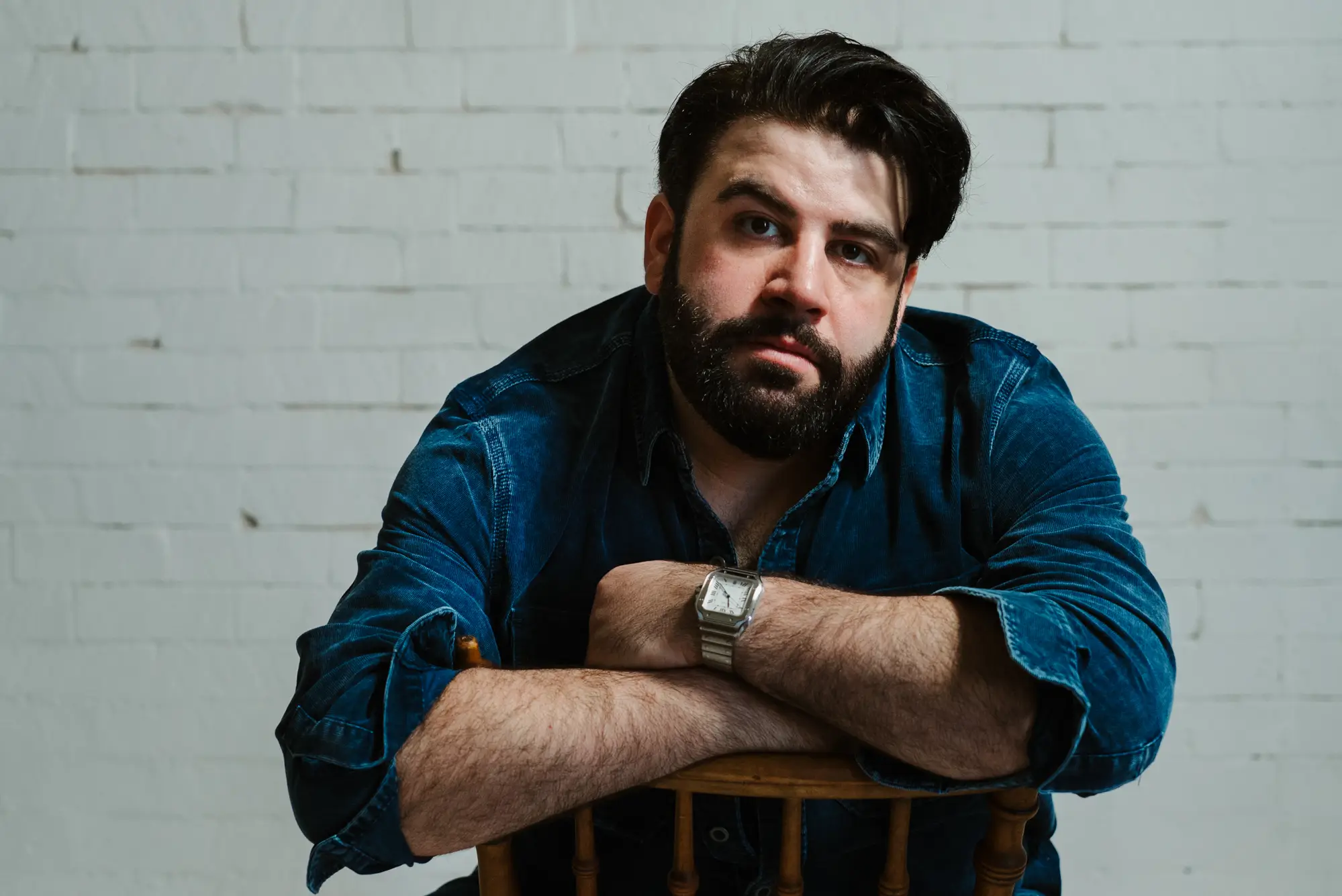
Now streaming on Netflix, ‘One Piece’ introduces Rob Colletti in a commanding new chapter of the epic saga, as he takes on the pivotal role of ‘Wapol,’ one of the central antagonists in Season 2. Entering one of the most globally recognized franchises in television, Colletti brings both theatrical precision and psychological depth to the Drum Island arc of the series. Colletti’s ability to balance spectacle with emotional grounding is rooted in a formidable theatre background. He originated the role of ‘Lester Bangs’ in the Broadway adaptation of ‘Almost Famous’ with Academy Award winner Cameron Crowe, starred as ‘Elder Cunningham’ in ‘The Book of Mormon’ on Broadway, and originated the role of ‘Dewey Finn’ in the First National US Broadway Tour of ‘School of Rock,’ a performance that earned him critical acclaim and multiple accolades. That stage foundation — built on stamina, discipline, and character analysis — informs his approach to screen work.
When Colletti first auditioned, he did so without knowing the project’s identity.
“When I initially auditioned for the role, I have to be honest…I didn’t know what ‘One Piece’ was.”
“So I approached the audition as I do with any character: I read the scenes, built out some actions and intentions based on what was provided, and tried to create as much of a clear point of view as I could.”
The audition scenes carried comedic tones, yet Colletti sensed something darker beneath the surface. “The scenes I was given were written for comedy, but there was a menacing element to this person that was undeniable, so I tried to strike up a balance of both finding the humor and the horror behind the decisions he makes.” Only later in the callback process was he informed that he would be portraying ‘Wapol.’ Rather than feeling restricted by limited initial knowledge of the source material, Colletti believes that creative freedom strengthened his interpretation. After diving into the manga and studying the broader arc, he shaped a multidimensional portrayal grounded in emotional truth.

“One thing about the way I work is, no matter how evil he came across in the story, it’s still my job to humanize him, while justifying and rooting his decisions in the reality of the world he inhabits. Every villain thinks what they’re doing is ‘right.’ Wapol, regardless of how misled he might have been in his own justifications, is no different.”
Preparing for ‘One Piece’ required both psychological immersion and physical endurance. Colletti underwent nearly two months of stunt training and performed a large portion of his own action sequences. Wearing approximately 75 pounds (about 35 kilograms) of armor and prosthetics — after spending nearly three hours daily in the makeup chair — he embraced the demanding scale of the production. “I poured my entire heart and soul into making this show,” he says. “I’ve never worked harder in my life and I’m so proud of what we’ve created.”
Joining ‘One Piece’ also meant stepping into one of the most passionate global fan communities in modern entertainment. Once he began researching the world created by Eiichiro Oda, Colletti quickly understood the magnitude of the franchise.
“The fans of One Piece have been incredible. Once I began to dive into the One Piece story and world as I did my research for the role, I began to quickly see why the show has become a world-wide phenomenon.”
Despite the scale and expectations surrounding the series, Colletti grounded his performance in the same principles that shaped his theatre career: discipline, preparation, and emotional authenticity. His Broadway experiences — particularly originating roles and stepping into characters made famous by iconic performers like Philip Seymour Hoffman and Jack Black — prepared him for the responsibility of contributing to an internationally beloved story.
With Season 2 now streaming globally, Colletti views this moment as both an artistic milestone and a continuation of a lifelong dedication to performance. “Being an actor isn’t just the way I make my living, it’s my way of life.”
As ‘One Piece’ continues its global rollout, Rob Colletti’s portrayal of ‘Wapol’ marks a defining chapter in his career — one that blends theatrical discipline, cinematic scale, and a commitment to finding humanity even within formidable antagonists.
Fetured photo credit: Josh Hundermark



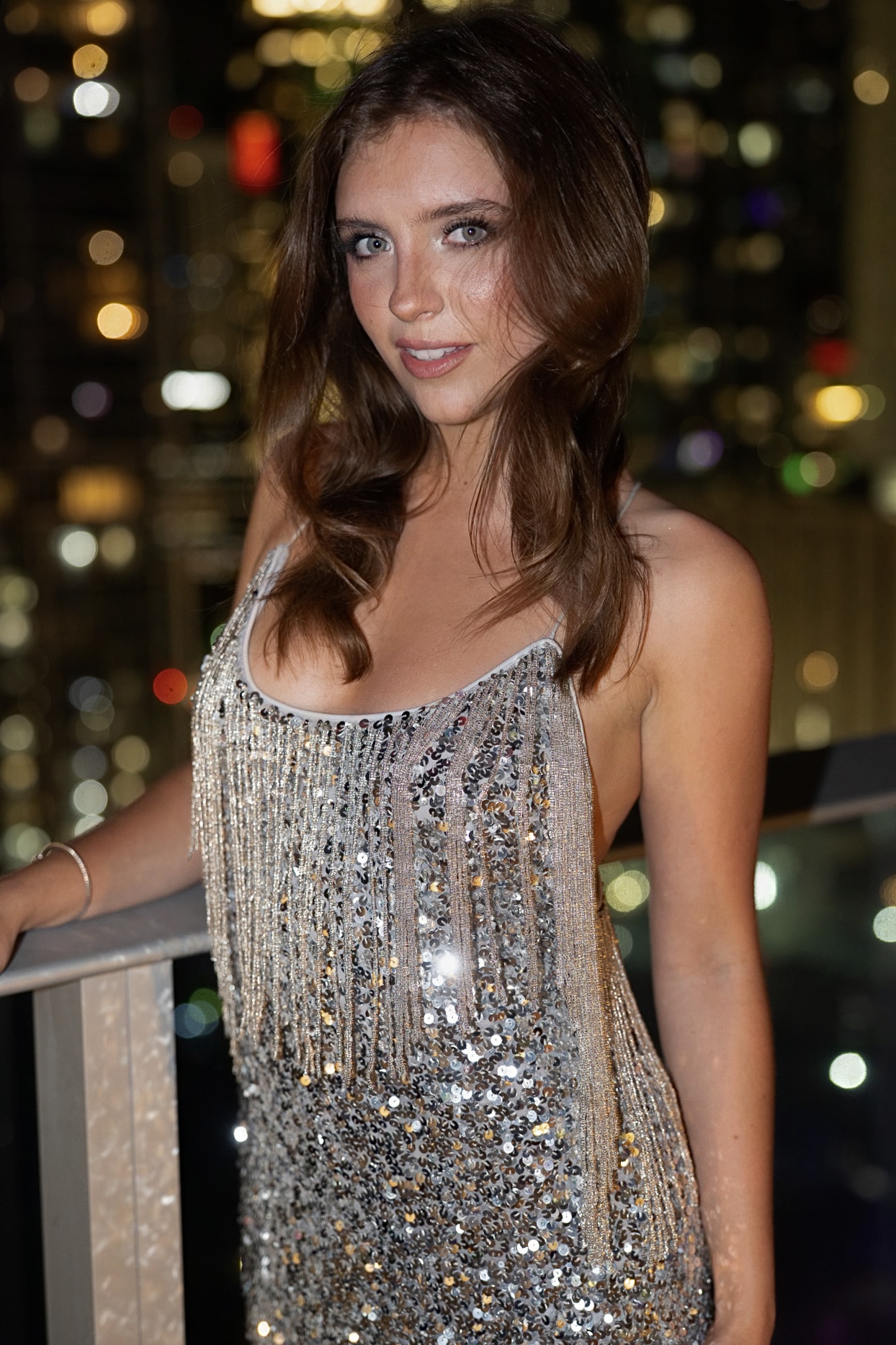

In April, singer-songwriter and actress Alivia Clark released the breathtaking single, “Breathless.” The budding songstress now closes out the summer and kicks off the fall with “Dancing In Circles.” The Dance-Pop anthem is marked by its pulsating, intoxicating rhythm and Alivia Clark’s polished, sultry vocals.
“Dancing In Circles” is a groove-led up-tempo record that is fun and uber-catchy. The euphoric song’s sensual vibe accentuates the track’s theme of blissful yet wary seduction and temptation. “‘Dancing In Circles’ explores the push and pull of attraction and is about being stuck in a cycle with someone that you know isn’t good for you, but the chemistry makes it impossible to let go.” Alivia Clark continues, “There’s something so addictive about that feeling, you know that you’re going around in circles, but part of you doesn’t want to stop.”
-

 We Speak Music1 week ago
National Gospel Recording Artist Ellen Hayes Announces the Release of Her Farewell Album, Behind My Eyes
-
We Speak Music1 week ago
Mel D makes bittersweetness glow with magnetic new single ‘ORANGE’
-

 We Speak Music1 week ago
Kazimi Shines In New Single ‘Errant Nodes’
-

 We Speak Music1 week ago
Karabo Unleashes New Single ‘Only 4 U’