
We Speak Entertainment
Tasha Cobbs Leonard’s Host “HEART. PASSION. PURSUIT. Album Release Concert In Atlanta

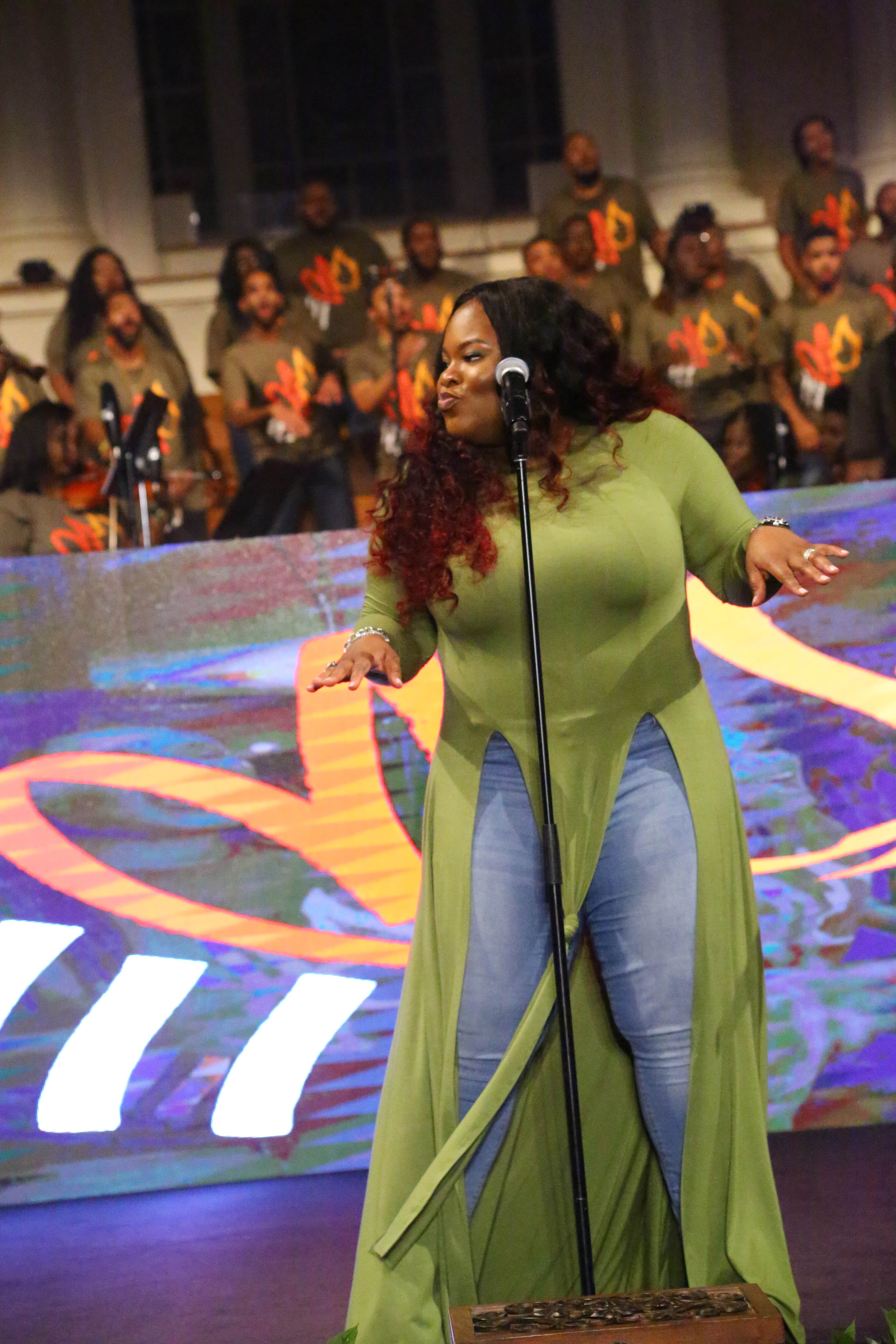

Story: Kimar Cain
Chains have been broken and lives have been changed on every album Tasha Cobbs Leonard has released.
August 25th, another life changing project was released by gospel sensation, Tasha Cobbs Leonard entitled, “HEART. PASSION. PURSUIT.”

There’s only one question when it comes to this new album – are you ready for overflow?
Now, despite all the backlash from TCL having Nicki Minaj on the track “I’m Getting Ready” (which is an amazing song by the way) TCL still managed to pack out her LIVE album release at The Dream Center Church of Atlanta in Decatur, GA.
Not only was the place packed out but The WORD Network was in the building broadcasting the release all around the world. Special Guest included: Bishop Paul Morton, Kierra Sheard, The Grays (John and Aventer Gray).

Before Tasha blessed the stage, Bishop William Murphy, III shared a short story on how Tasha was the first and only person to join his church after preaching his first sermon. We see what’s happened with Bishop William Murphy over the years and now the batons has been passed!

Tasha explained that during the time of recording this album was around the time the bridge had burned in Atlanta, GA. She went on to say that she believes that this album will be the bridge to connect all cultures and people together for a better world. Do you think this album can bridge the gap of what’s happening in today’s society?
What’s your favorite track on the album? Click here to download




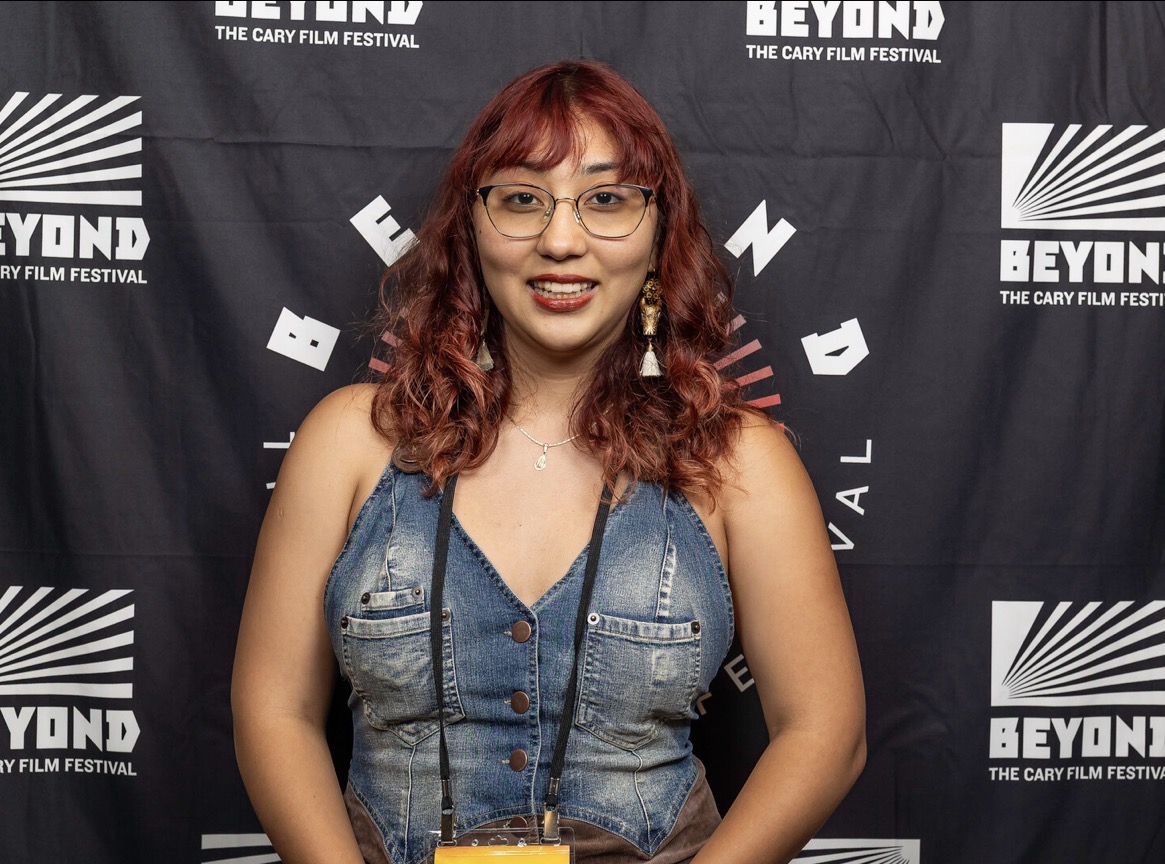
Los Angeles Production Designer and Art Department Professional Discusses the Creative Vision Behind Building Worlds for Film and Entertainment
Mexican-born Production Designer and Art Department professional Angelica Figueroa is stepping into the international media spotlight with a featured appearance on The Andrew Eborn Show on Octopus TV.
The interview, “The Invisible Architect of Hollywood: How Mexican Visionary Angelica Figueroa Builds Worlds in Films,” explores the creative work audiences rarely see happening behind the camera — and the extraordinary amount of research, imagination and craftsmanship required to create the visual environments in which stories come alive.

Figueroa, originally from Morelos, Mexico, earned a BFA in Filmmaking from the New York Film Academy and has established herself in Los Angeles working across Production Design, Art Direction, Set Dressing and Prop Master roles.
Her growing body of work demonstrates the versatility required of a modern Art Department professional, spanning narrative filmmaking, music and performance videos, promotional productions and independent projects.
Rather than simply decorating a set, Figueroa approaches production design as an extension of character and story. Research, sourcing, props, color, texture, architecture and period-specific details can all become part of the visual language of a production.
That philosophy has helped define her emerging career.
As a Production Designer, Figueroa worked on What a Valentine, starring acclaimed actor Jim Beaver, and Tamales, starring Virginia Novello.
Her credits also extend into major music and entertainment productions. Figueroa has worked as a Set Dresser on a Willow Smith performance video, a promotional production for Wild ’N Out, and the “Tell Me” project by OneRepublic and Karan Aujla.

Her work as Art Director on the period short film Sunrise Boulevard, set in 1955, required the creation of a visual environment capable of transporting audiences into another era. Figueroa contributed through art direction, set dressing, props and sourcing, helping establish the film’s period-specific world.
Sunrise Boulevard was subsequently selected for the Burbank International Film Festival and received a nomination in the Best Production Design / Art Direction category.
Additional Art Department credits include Canta Santiago, Oroboros, Ikigai and Rebel Flower(s). On Oroboros, Figueroa served as Prop Master, working with story-specific and actor props as well as sourced, practical and breakable set pieces.
Her appearance on The Andrew Eborn Show gives audiences an opportunity to discover the person behind that work and gain insight into a profession that plays an essential role in filmmaking while often remaining invisible to the audience.
Andrew Eborn brings an extensive international media background to the conversation. An international lawyer, strategic business adviser, broadcaster and media personality, Eborn is known for conversations spanning entertainment, television, film, business, technology and culture.

For Figueroa, the interview represents another opportunity to bring attention not simply to individual credits, but to the specialized creative discipline behind them.
Production designers and Art Department professionals help determine what audiences ultimately see on screen. Before an actor enters a room, someone has considered what that room communicates about the character. Before a period story can feel authentic, someone has researched the objects, furnishings, materials and visual details necessary to make that world believable.
That is the space in which Angelica Figueroa has been building her career.
Her work reflects an ability to move between creative vision and practical execution — transforming research and storytelling concepts into physical environments that can exist convincingly in front of the camera.
As Figueroa continues developing her career in American film and entertainment, her appearance on The Andrew Eborn Show introduces a wider audience to a filmmaker whose contribution happens largely behind the scenes but becomes visible in virtually every frame.
WATCH THE INTERVIEW
Watch Angelica Figueroa on The Andrew Eborn Show on Octopus TV:
ABOUT ANGELICA FIGUEROA
Angelica Figueroa is a Los Angeles-based Production Designer and Art Department professional originally from Morelos, Mexico. A graduate of the New York Film Academy with a BFA in Filmmaking, she works across Production Design, Art Direction, Set Dressing and Prop Master roles. Her credits span narrative films, performance videos, promotional productions and independent projects, with a creative approach centered on research, visual storytelling, props, sourcing and detailed environmental design.
-

 We Speak Music1 week ago
National Gospel Recording Artist Ellen Hayes Announces the Release of Her Farewell Album, Behind My Eyes
-
We Speak Music1 week ago
Mel D makes bittersweetness glow with magnetic new single ‘ORANGE’
-

 We Speak Music1 week ago
Kazimi Shines In New Single ‘Errant Nodes’
-

 We Speak Music1 week ago
Karabo Unleashes New Single ‘Only 4 U’