We Speak Business
Professor Bull Explains: Equity vs. Salary — Why Athletes Ask for a Piece of the Company

Welcome in, class. Today’s lesson starts with a simple question. If a company offered you a paycheck, or a small piece of the company itself, which would you take? For most of sports history, athletes took the paycheck. In the last twenty years, the smartest ones in the room started asking for the piece. Let us learn why.
Salary and endorsement fees are certain money. A brand pays a star a set fee to wear the shoes, drink the drink, smile in the commercial. When the contract ends, the money stops. Equity works differently. Equity means ownership — a slice of the company. If the company grows, the slice grows. If the company is sold, the slice turns into cash. It can also shrink, and that risk is the whole difference: a fee is a promise, equity is a bet.
Consider Roger Federer and the Swiss shoe company On. Instead of only signing as a spokesman, Federer bought a reported 3 percent stake in the company and helped design its tennis shoes. When On went public in 2021 at a valuation around $10 billion, that 3 percent stake was suddenly worth roughly $300 million, as widely reported at the time of the offering — more than a lifetime of ordinary endorsement fees.
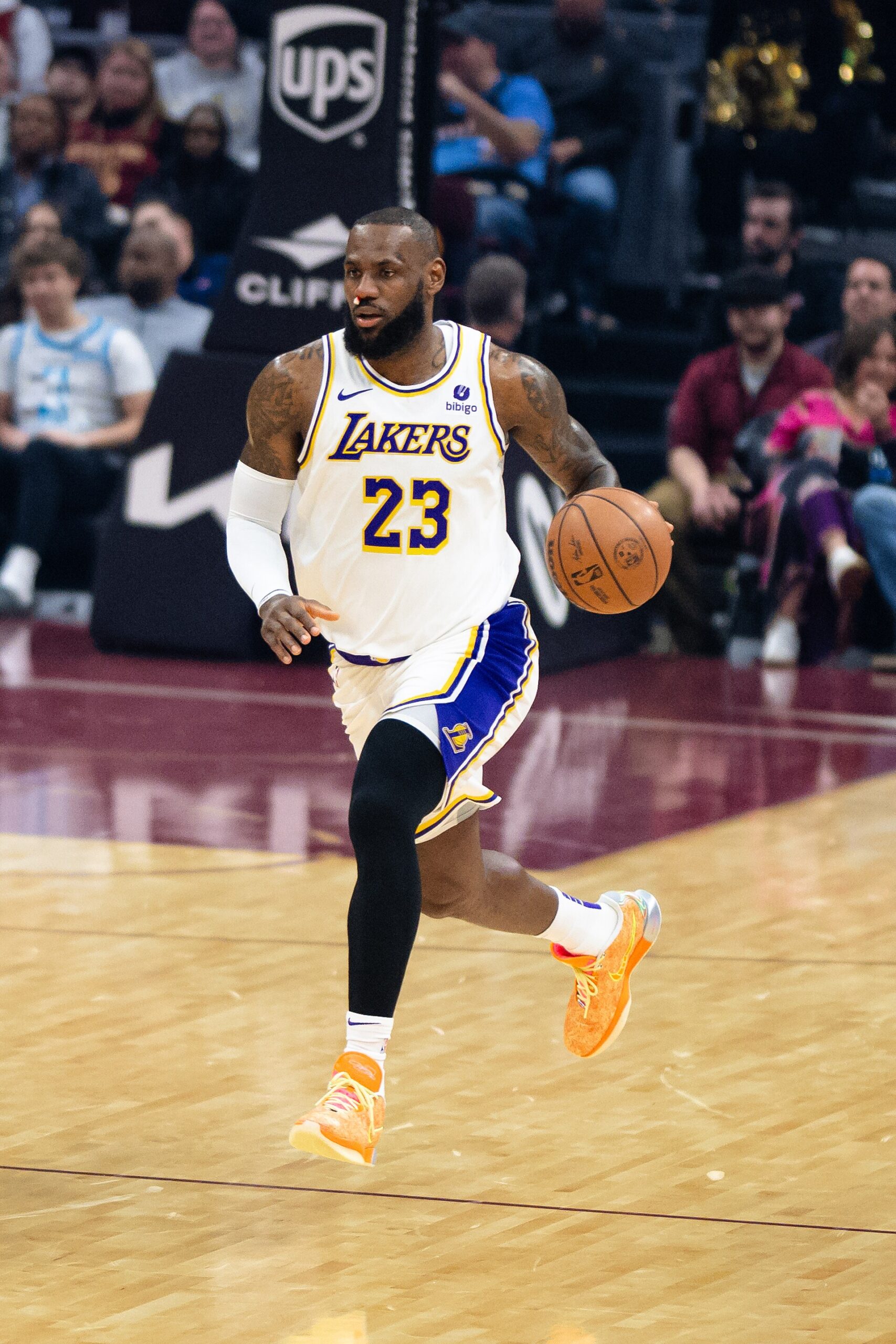
Kobe Bryant made the same kind of move with the sports drink BodyArmor. Bryant invested a reported $6 million in 2014 for a stake of about 10 percent. When Coca-Cola bought full control of BodyArmor in 2021, in a deal valuing the brand at $8 billion according to Coca-Cola’s announcement, Bryant’s estate reportedly received around $400 million. LeBron James took an early equity stake in Beats by Dre as part of promoting the headphones; when Apple bought Beats for $3 billion in 2014, James reportedly earned more than $30 million from that quiet little piece.
Notice the pattern, class. The paycheck rewards the season. The piece can reward the decade. That is why modern stars negotiate like owners: they lend a company their fame today in exchange for a share of everything that fame helps build tomorrow.
None of this is a suggestion to go buy anything — ownership can lose value, and fees never bounce. It is simply the lesson: when you hear that an athlete “partnered” with a brand instead of just endorsing it, check for the piece. That is where the real story usually lives. Class dismissed.
 A Second Sphere Is Coming to America: Maryland Approves the $1.4 Billion National Harbor Venue
 Wawa Spreads Its Wings to Nashville: First Music City Store Opens November 19 in a Nearly 100-Store Year
 Netflix Is Building a Real-World Empire: Two Netflix Houses Are Open, and Las Vegas Gets the Third
 A Dozen Doors in One Month: Raising Cane’s Opens 12 Restaurants Across 10 States in November
 Justin Figueroa Settles the Score With Luis Caraballo Ramos in Four Rounds at the Tropicana
 Zelfa Barrett Drops Gavin Gwynne Twice and Stops Him in the Fifth Round at Wembley
 Viddal Riley Outboxes Seydi Coupe to Retain the European Cruiserweight Title at Wembley
 Jason Moloney Boxes Past Andres Teran in the Zuffa Boxing 13 Co-Feature in Riyadh


We Speak Business
A Second Sphere Is Coming to America: Maryland Approves the $1.4 Billion National Harbor Venue
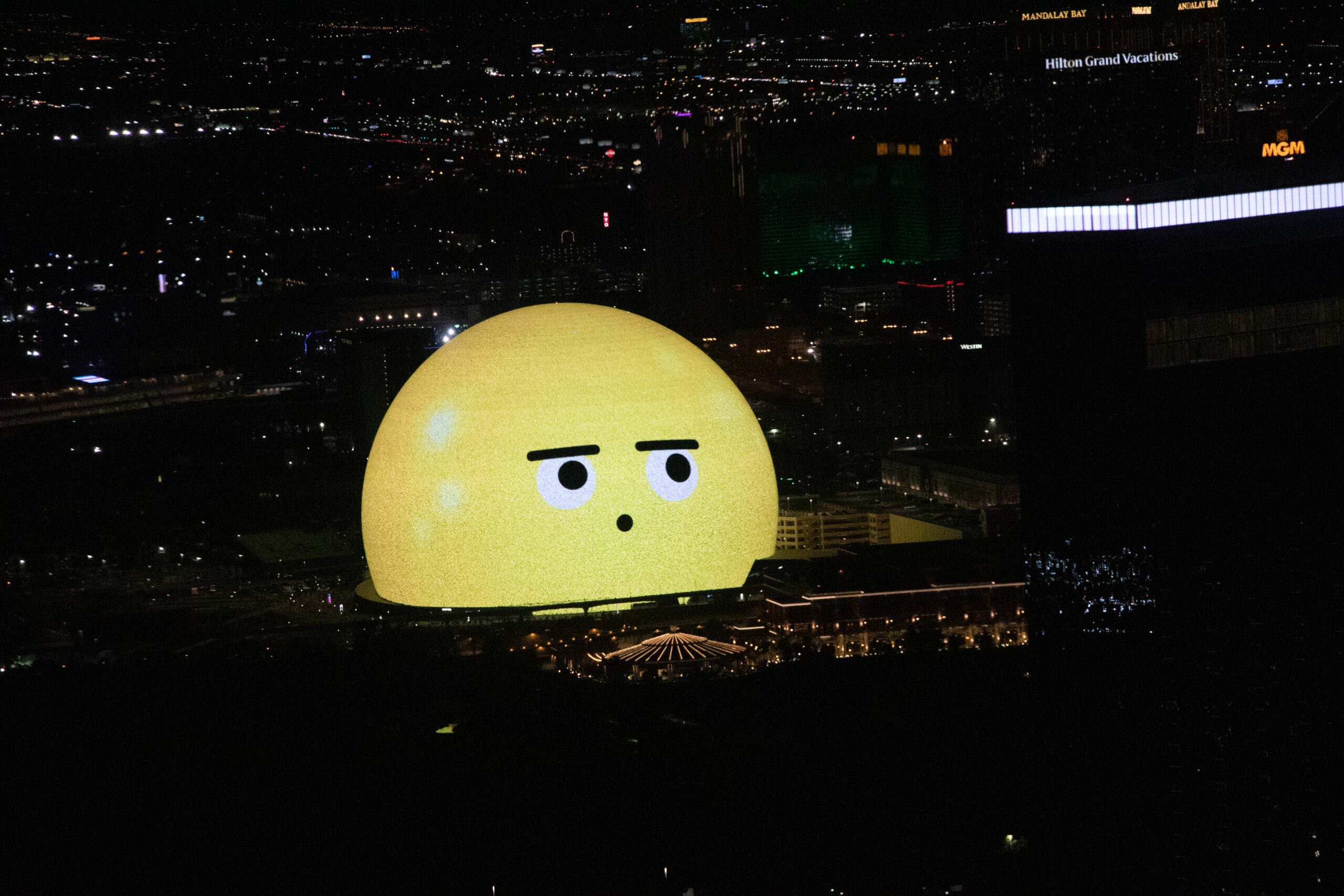
The glowing orb that rewired the Las Vegas skyline is officially getting an East Coast sibling. On October 27, the Prince George’s County Council voted 8 to 0 to approve the financing package for Sphere at National Harbor, a $1.4 billion entertainment venue planned for the Potomac River waterfront in Maryland.
The Maryland Sphere will be the first smaller-scale version of the format: about 6,000 seats, against roughly 17,600 at the Las Vegas original, which opened on September 29, 2023. Smaller does not mean stripped down. The venue is planned with the same signature technology, including a 16K by 16K interior LED display, an exterior LED exosphere, spatial audio, haptic seating and 4D environmental effects, on a site next to MGM National Harbor in Oxon Hill, about 15 minutes from downtown Washington, D.C.
The county’s vote authorizes up to $215 million in special obligation bonds to support the project, which Sphere Entertainment is developing with Peterson Companies. The package includes $130 million in tax increment financing bonds, a $40 million county-owned parking garage and $13.5 million in state funding, with Sphere Entertainment covering the roughly $1.2 billion balance.
Construction is expected to begin in 2027, with an opening targeted for early 2030. If the timeline holds, National Harbor will be the third Sphere on the planet: a full-scale, 20,000-seat venue in Abu Dhabi is expected to be completed in 2029. The message from the company is clear. The Sphere is no longer a one-off Las Vegas spectacle. It is a format, and it is on its way to the world.
Read Next:
LeBron James Built an Empire Off the Court: Ownership Over Endorsements
Kylie Jenner Launches Khy After Dark, a 16-Piece Winter Collection Inspired by L.A. Nights
Wawa Spreads Its Wings to Nashville: First Music City Store Opens November 19 in a Nearly 100-Store YearNetflix Is Building a Real-World Empire: Two Netflix Houses Are Open, and Las Vegas Gets the ThirdA Dozen Doors in One Month: Raising Cane’s Opens 12 Restaurants Across 10 States in November Buc-ee’s Keeps Crossing State Lines: First Stores in Ohio, Arizona and Arkansas in One Year, and More Already on the WayJustin Figueroa Settles the Score With Luis Caraballo Ramos in Four Rounds at the TropicanaZelfa Barrett Drops Gavin Gwynne Twice and Stops Him in the Fifth Round at WembleyViddal Riley Outboxes Seydi Coupe to Retain the European Cruiserweight Title at WembleyJason Moloney Boxes Past Andres Teran in the Zuffa Boxing 13 Co-Feature in Riyadh
-

 We Speak College Football3 days ago
Georgia Takes Over at No. 1 in Second College Football Playoff Rankings of 2026
-

 We Speak Entrepreneurs3 days ago
Alexandr Wang Started Scale AI at 19 in a Y Combinator Dorm Season. Meta Paid $14.3 Billion to Bring Him In House
-

 We Speak Movies3 days ago
Hunger Games Prequel Sunrise on the Reaping Is Tracking Toward a $100 Million Opening
-

 We Speak Authors3 days ago
Travis Devine Goes Global: David Baldacci Sends the 6:20 Man to Australia in “All In”