
We Speak Financials
Welcome to We Speak Financials: The Money Behind the Game and the Album

Welcome to We Speak Financials, the new section of We Speak Media where we follow the money behind the game and the album, in plain words.
Every big moment in sports and entertainment has a deal behind it. A player signs a contract. A college athlete signs a name, image and likeness deal, the kind everyone calls an NIL deal. A league sells the rights to show its games. An artist goes on tour, and the tickets, the merchandise and the streaming all pay out in different ways. Those deals decide who gets paid, how much, and for how long. They also shape the games and the music that fans love.
This section explains those deals the simple way. When we write about a contract, we will say what the player is actually guaranteed, and what only arrives if bonuses are reached. When we write about media rights, we will explain who is paying to show the games, and why those games are worth so much to television and streaming companies. When we write about tour money, we will separate the big headline number from what an artist keeps after the band, the crew, the venues and the promoters are paid.
Plain words, real numbers
Two rules will run through everything published here. First, every money figure will be tied to a named public source — a league, a players association, a club, or a respected published report — so readers can see where a number came from. A reported figure and a confirmed figure are not the same thing, and we will say which one we are dealing with.
Second, this section does not tell anyone what to buy or sell, and it does not do hype. The money in sports and entertainment is interesting enough on its own. Our job is to explain it clearly, not to sell a prediction.
Professor Bull’s lessons
Alongside the news, Professor Bull, our animated teacher, will keep breaking money basics down into short, plain-words lessons for families and young fans. The news stories show the deals happening right now. The lessons explain the ideas underneath those deals, one idea at a time.
From the biggest television deals in sports to a young athlete’s first NIL agreement, this is where We Speak Media covers the business behind the bright lights. Welcome in.
 Formula 1’s Money Boom in America
 Bad Bunny’s Residency Math: Why Staying in One Place Paid
 Mahomes’ $450 Million Contract, Explained: Why the Headline Is Not the Paycheck
 Rihanna Built a Business, Not Just a Catalog: The Fenty Ownership Play
 Misha Fair Drops New Single ‘South of Seattle’
 Firestone Grand Prix of St. Petersburg Returns March 5-7, 2027 to Open the INDYCAR Season
 Championship Weekend Comes Home: After Seven Years Away, NASCAR’s Titles Return to Homestead
 Lita Ford Signs With Frontiers Music Srl and Unleashes New Single “Dracula”



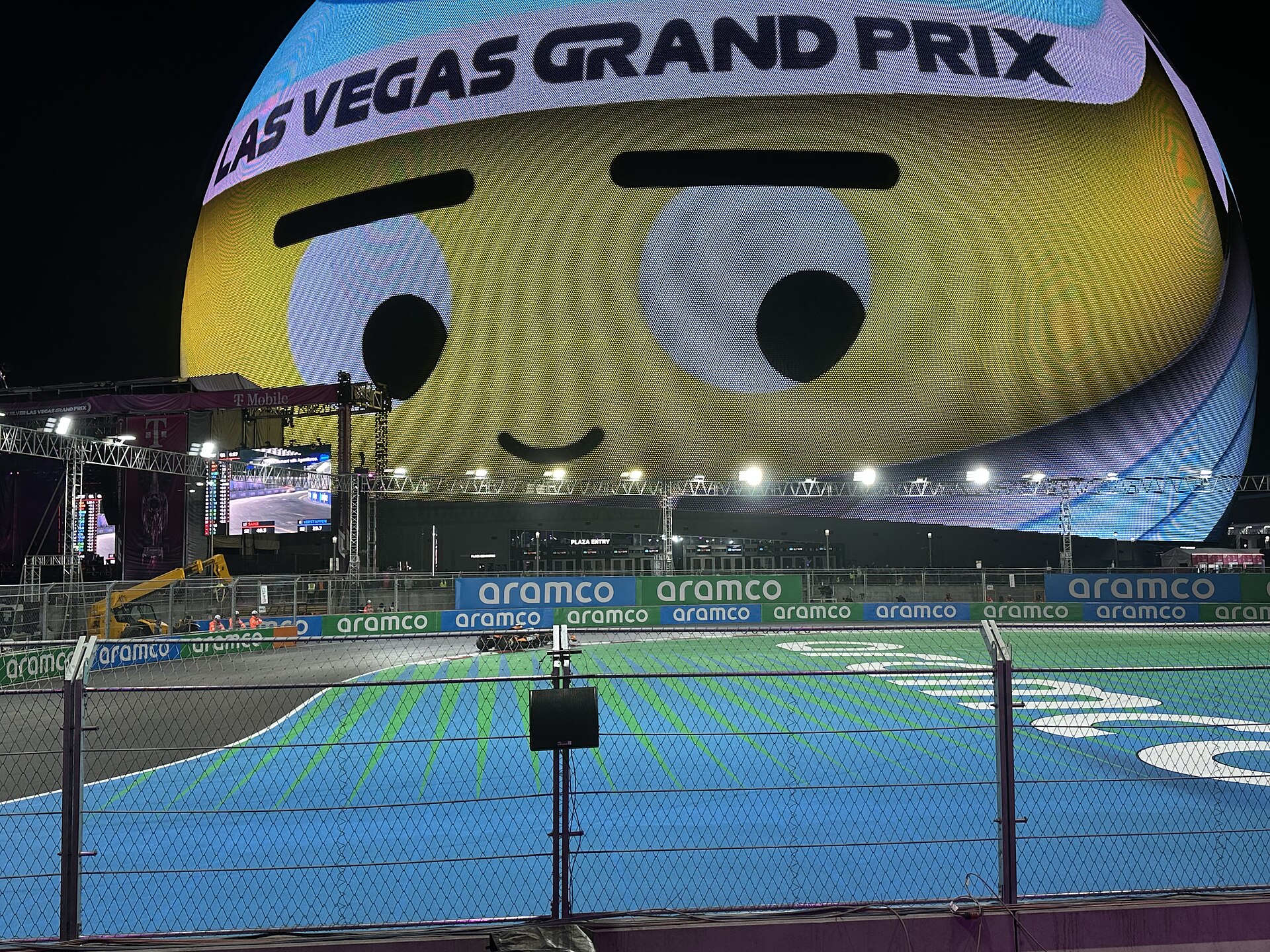
A generation ago, Formula 1 treated the United States as a nice place to visit. Today it treats America as the engine room. Three U.S. races, a Las Vegas event the sport promotes itself, and team values that now rival the biggest franchises in American sports tell a story that is less about lap times than about money — and the money is moving fast.
Start with the valuations. In Forbes’ November 2025 ranking of Formula 1’s most valuable teams, Ferrari led the grid at an estimated $6.5 billion, with Mercedes second at $6 billion and McLaren third at $4.4 billion. Across all ten teams, the average valuation reached $3.6 billion — up 89 percent since 2023, according to Forbes — and every single team on the grid was valued at $1.5 billion or more. A cost cap introduced in 2021 turned teams from spending contests into controlled businesses, and investors have priced them accordingly.
Then there is Las Vegas. Formula 1 did something in Vegas it does almost nowhere else: it promoted the race itself, buying land, building a permanent pit facility and collecting the ticket and hospitality revenue directly. The inaugural 2023 race generated an estimated $1.5 billion in total economic impact for the city, according to analysis by Applied Analysis reported by the Las Vegas Convention and Visitors Authority, including $884 million in visitor spending — with attendees spending about 3.6 times more than the average Las Vegas visitor. The race drew a global television audience reported at 59.3 million.
The audience story backs up the asset story. The inaugural Las Vegas race pulled 1.3 million U.S. viewers on ESPN despite a 1 a.m. Eastern start, and the sport’s American calendar — Austin, Miami and Las Vegas — now gives sponsors three premium weekends on U.S. soil instead of one novelty stop.
Austin’s long-running race and Miami’s event, added in 2022, round out the American trio, giving teams, sponsors and broadcasters a season-long presence in the sport’s largest commercial market rather than a single annual visit.
Put it together and the boom explains itself: capped costs, soaring team values, a self-promoted American flagship race, and sponsors paying record rates to stand next to all of it. Formula 1 did not just find America. It found America’s wallet — and America’s investors found it right back.
Bad Bunny’s Residency Math: Why Staying in One Place PaidMahomes’ $450 Million Contract, Explained: Why the Headline Is Not the PaycheckRihanna Built a Business, Not Just a Catalog: The Fenty Ownership Play How a Movie’s Money Actually Splits: Box Office in Plain WordsMisha Fair Drops New Single ‘South of Seattle’Firestone Grand Prix of St. Petersburg Returns March 5-7, 2027 to Open the INDYCAR SeasonChampionship Weekend Comes Home: After Seven Years Away, NASCAR’s Titles Return to HomesteadLita Ford Signs With Frontiers Music Srl and Unleashes New Single “Dracula”
-

 We Speak Jazz5 days ago
Toronto Jazz Singer Ori Dagan Announces First Live Album ‘Live in the Market’ for October 23 Release
-

 WE Speak MMA6 days ago
UFC 334: Gane vs. Hokit, Harrison vs. Nunes Title Fights Set for November 14 at Madison Square Garden
-

 We Speak Comedy6 days ago
Nate Bargatze Plays Rexburg Tomorrow, Then Settles Into Las Vegas on the Record-Breaking Big Dumb Eyes Tour
-

 We Speak Celebrity News5 days ago
Jennifer Lawrence Steps Into Beauty With Biodesigned Haircare Brand mes°