
We Speak Music
Ravi.O The Assessini and Jiwon Dive Deep with New Cross-Cultural Ballad “Abyss of Love”

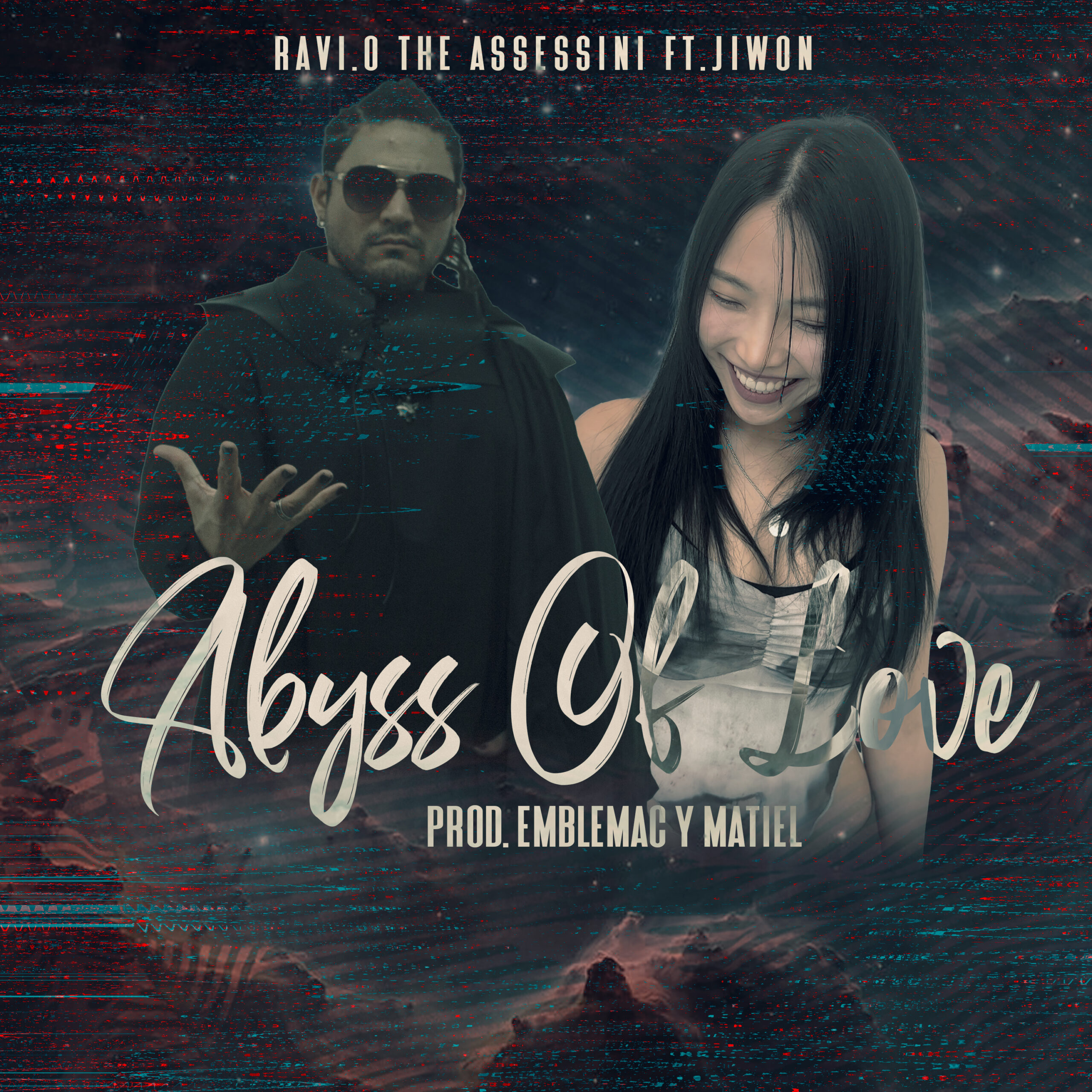
Cue the tissues and turn up the volume—Ravi.O The Assessini and Jiwon have just released “Abyss of Love,” a genre-blending, heartstring-tugging track that might just be your next favorite cry-anthem. What started as a chance interview on SBS MegaTV’s Que Lunes turned into a powerful creative spark, uniting a former Latin pop heartthrob and a K-pop idol in transition.
Ravi.O, known for his roots in Universal Music Latin and collaborations with legends like Nicky Jam, has long danced between cultures. Born to Italian and Puerto Rican parents and now living out his K-entertainment dreams as a TV host, Ravi.O continues his mission of musical diplomacy—this time, through pain, passion, and partnership.
“With a broken heart and no answers, I recorded this with tears running down my face”, Ravi.O admits about the track.
Enter: Jiwon, ex-member of K-pop girl group Botopass. After stepping away from the idol spotlight, she wasn’t planning a comeback—until Ravi.O showed up.
The result is a raw, emotional ballad that melds Latin pop drama with Korean melodic depth. Think: NSYNC meets Dreamcatcher in a Seoul café at midnight.
“This is the first time I wrote both the lyrics and the melody myself”, says Jiwon. “It’s my first real release as me, not as part of a group. I’m so thankful to Ravi for encouraging me to take this step.”
“Abyss of Love” is a cultural handshake, a vulnerable diary entry, and a bridge between genres that rarely get to cry together. With sweeping strings, bilingual lyrics, and harmonies that hit like a wave, it’s a journey through heartbreak with no passport required.
Follow Ravi.O The Assessini: Instagram
Follow Jiwon: Instagram





Swiss artist Fanny Alexandra returns with “Black Pearl Summer”, a new single that finds her exploring a more open side of her alternative sound. Released via Now Listen, the track combines coastal imagery with a story about growing through grief, pressure and the experiences that can shape a person over time.
Alexandra notes that the song is relatively summery by her own standards. She has said that her music is usually darker and that she has never been particularly drawn to the typical idea of summer, preferring cold air, jackets and rugged coastlines. That gives the release a clear sense of personality from the outset.
The song centres on Alexandra’s reflections on being 19 and spending years focused on survival rather than fully living. Those experiences are presented through the image of a black pearl, which becomes a way of considering how something worthwhile can emerge from a challenging period.
What makes the track particularly effective is the balance between its subject matter and its musical approach. The production gives the song room to breathe, while Alexandra keeps the focus firmly on the story she is telling. It means the track can be enjoyed as a seasonal release while still offering more to discover in the lyrics.
There is also a clear sense of change in the way Alexandra approaches her younger self. The song is not about returning to that period or trying to erase it. Instead, it considers what can be learned from experiences that once felt overwhelming.
“Black Pearl Summer” therefore offers newcomers a useful introduction to Alexandra’s work. It shows an artist comfortable writing about serious subjects, while also demonstrating a lighter musical side that may not be as familiar to listeners who know her darker material.
It is an interesting glimpse of what Alexandra can do when she lets a little more light into the picture.
-

 We Speak Music1 week ago
ADRIANNA Gets Two Very Different Lives From ‘Power Back’
-

 We Speak Music1 week ago
B BWOY BILLO AND MÖ THA TRUTH BRING EMOTION, BARS AND BROTHERHOOD TO GHANA’S RAP FUTURE
-

 We Speak Business5 days ago
Funl Raises $2.5 Million at a $10 Million Post-Money Valuation to Transform How Creators Bring Events to Life
-

 We Speak Hip-Hop6 days ago
Ghost Da Lyrical returns with Taylor Made Ghost