
We Speak Entertainment
Rocky Kramer’s Rock & Roll Tuesdays Presents “Gunsmith” On Tuesday, February 24th, 2026 7 PM PT on Twitch


Rocky Kramer will be hosting “Gunsmith” on this week’s episode of Rocky Kramer’s Rock & Roll Tuesdays on Twitch. Tune into Twitch on Tuesday, February 24th, 2026 at 7 PM PT for this amazing show.
Rocky Kramer is a guitar virtuoso, often being compared to the greatest guitar players in the world. Rocky has performed on shows with some of the greatest musicians on the planet including Ozzy Osbourne, John Lodge, Steve Vai, Leland Sklar, Kenny Aronoff, Tommy James, Verdeen White, Ten Years After, BuckCherry, Rick Wakeman and more.

Rocky’s first studio album, “Firestorm” is now available worldwide through Allied Artists Music Group, together with an epic music video of his #1 Global DRT Chart topper single, “Rock Star”, that also picked up a Best Rock Performance nod at the 2019 Hollywood Music In Media Awards (“HMMA”).
Rocky Kramer recently returned to the studio to record his sophomore album “Alone In The Rain” which will be released soon!!!
Rocky Kramer was recently cast in The Mutt Productions/ Allied Artists rock n’ roll time travel comedy adventure “Rockin’ In Time” where he will play the film’s lead character, Lars Olsen. The film is being directed by Aaron Lee Lopez (of the “Teenage Girl” franchise) and is being produced by multi-platinum and six-time Grammy Award winning musician turned motion picture producer, Kurt Wipfli.
Watch Rocky Kramer’s Rock & Roll Tuesdays “Gunsmith” on February 24th , 2026, at 7 PM PT on Twitch here:
http://www.twitch.tv/rockykramer
The official website for Rocky Kramer may be found at http://www.RockyKramer.com
Visit Rock & Roll Tuesdays with Rocky Kramer on IMDB here:




We Speak Entertainment
AK7G Introduces His Distinctive Afro-Electronic Sound with New Single and Video “NEW CAT”

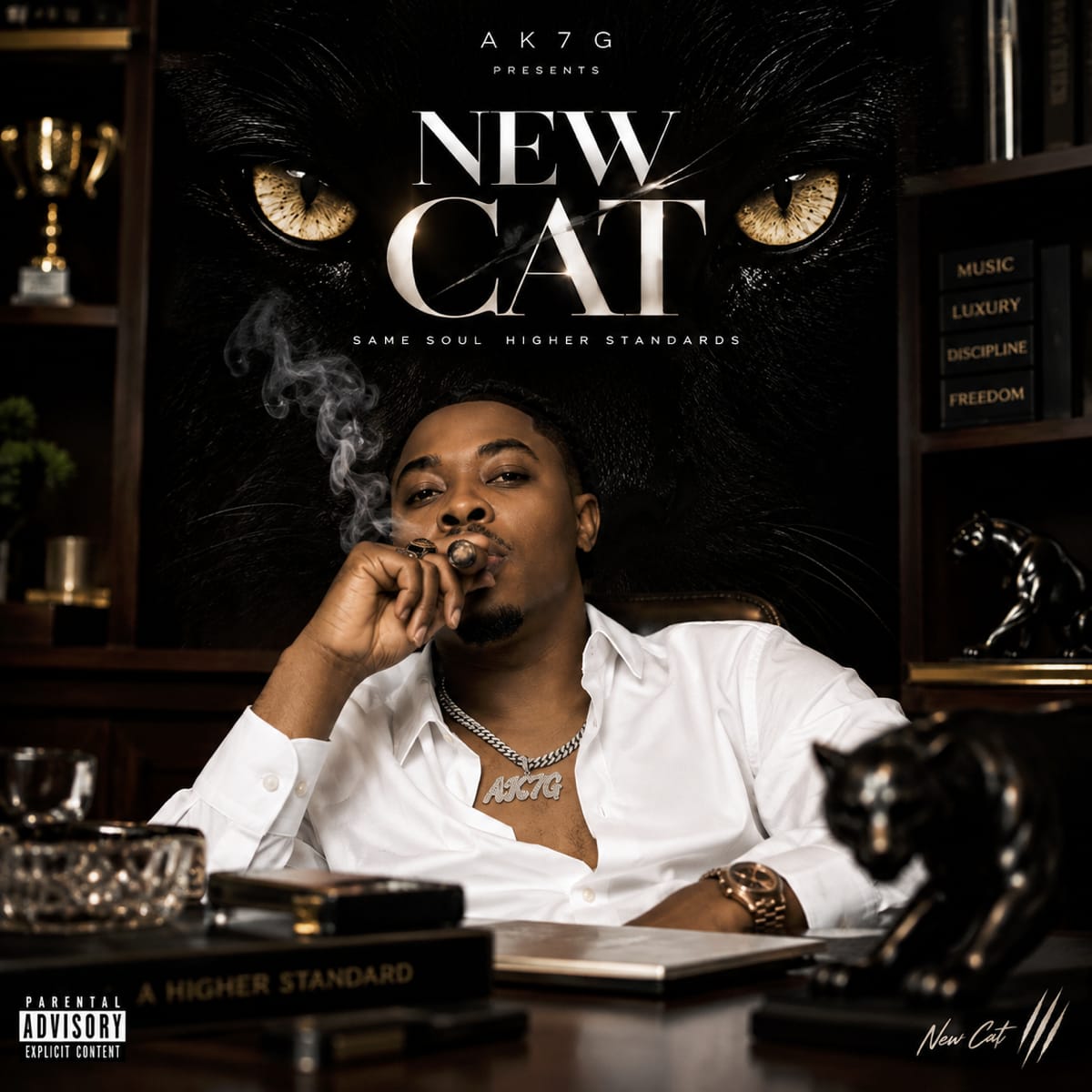
2 OCTOBER 2026 [DUBAI, UAE] – Nigerian, Dubai-based artist AK7G returns with his latest single, “NEW CAT”, accompanied by an official music video.
Following his previous release, “The Money”, “NEW CAT” marks the next step in AK7G’s journey, delivering a confident, high-energy record driven by ambition, money and the feeling of stepping onto the scene ready to make an impact. Blending Afro-house and electronic influences with jazzy saxophone elements, the track moves between English, Naija Pidgin and Yoruba, bringing together AK7G’s Nigerian roots and his evolving international sound.
Lyrically, “NEW CAT” captures the mindset of someone focused on progress, success and making his presence known. Phrases such as “kaluba,” meaning money, “shey you fit,” meaning “can you,” and “I no dey snogodo,” meaning “I don’t dull,” bring a playful edge to the record, while the recurring “NEW CAT” reference signals AK7G’s arrival as a fresh presence.
The official music video brings that energy into AK7G’s visual world through a mix of performance-led scenes, choreography, live saxophone moments and fashion-forward visuals. Bold, energetic and style-led, the video builds on the track’s upbeat character while giving “NEW CAT” a distinct visual identity of its own.
“NEW CAT” and its official music video are available now, with the video available on YouTube and the single available on all streaming platforms.
About AK7G
AK7G is a Lagos-born, Dubai-based artist building a distinctive sound at the intersection of Amapiano, 3-Step, Afro-house and Afro-electronic music, blending African rhythms with an international, nightlife-driven sound and aesthetic.
With a strong foundation in entertainment, events and nightlife, AK7G is building a creative identity that extends beyond music, incorporating fashion, lifestyle, visual storytelling and live experiences.
His sound reflects a growing generation of African artists pushing beyond traditional genre boundaries, bringing together the energy of African dance music with electronic production and global club culture.
With his sights set on a global audience, AK7G is focused on building a strong presence across Africa, the Middle East, Europe and the African diaspora, while continuing to expand his sound and reach beyond regional boundaries.
FOLLOW AK7G:
Instagram | TikTok | | Youtube | Spotify | Apple Music | Website
-

 We Speak Music1 week ago
ADRIANNA Gets Two Very Different Lives From ‘Power Back’
-

 We Speak Music1 week ago
B BWOY BILLO AND MÖ THA TRUTH BRING EMOTION, BARS AND BROTHERHOOD TO GHANA’S RAP FUTURE
-

 We Speak Business5 days ago
Funl Raises $2.5 Million at a $10 Million Post-Money Valuation to Transform How Creators Bring Events to Life
-

 We Speak Hip-Hop6 days ago
Ghost Da Lyrical returns with Taylor Made Ghost