
We Speak Business
Tyler Perry Owns the Studio: The Business Model Behind the Mogul

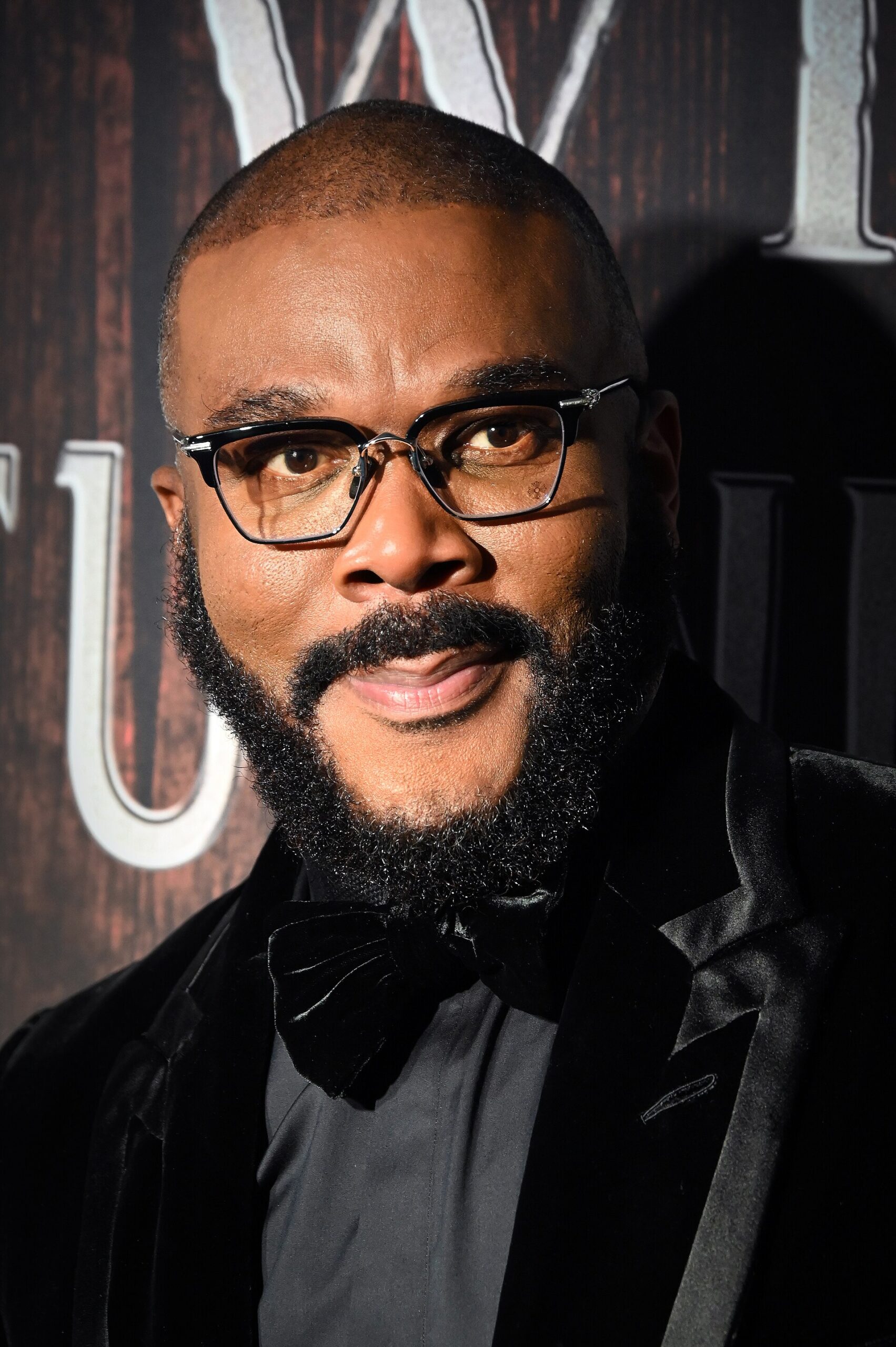
Most producers rent their world. They rent the soundstages, rent the backlot, rent the equipment, and hand the finished product to a studio that owns it forever. Tyler Perry looked at that arrangement early in his career and chose the opposite of every part of it. The result is one of the cleanest ownership stories in entertainment: the man does not just make the movies — he owns the factory, the land under it, and the films themselves.
The factory is Tyler Perry Studios in Atlanta, built on the former Fort McPherson Army base. Perry bought his portion of the decommissioned base in 2015 for a reported $30 million and developed the site into a 330-acre production campus with 12 soundstages and standing sets, including a replica White House. Forbes valued the studio at about $280 million in its landmark 2020 profile of Perry. That same profile put a number on the bigger strategy: Perry owns 100 percent of the content he creates — a library of films, television episodes and stage plays that keeps paying through licensing and streaming long after production ends. Forbes estimated his net worth at $1 billion in 2020, and its more recent billionaire rankings have put the figure at roughly $1.4 billion.
The model has two engines. The first is control of cost. A producer who owns his stages does not pay stage rent to a landlord, does not lose days waiting for space, and can schedule his own productions back to back on sets built for his shows. Perry’s famously fast, efficient shoots are not just a work habit; they are what happens when the calendar belongs to you. The second engine is that the campus is a business in its own right. Outside productions rent Tyler Perry Studios too — Marvel’s “Black Panther” was among the major films shot on its stages — which means the landlord of Atlanta’s busiest lot earns from other studios’ movies as well as his own.
His deal-making follows the same pattern. When Perry signed with ViacomCBS to supply programming for BET, Forbes reported the arrangement combined large content payments with an equity stake in the BET+ streaming service — ownership again, not just a fee. Fees end when the contract ends. Equity, libraries and land keep working.
There is a reason this story leads our Business coverage. Perry’s career started with stage plays performed for audiences the industry ignored, financed from his own pocket. The wealth was not built by negotiating a bigger salary inside somebody else’s system. It was built by buying the assets the system runs on — the studio, the catalog, the distribution leverage — and letting everyone else pay rent. In plain words: he stopped selling tickets to the show and started owning the theater.
 A Second Sphere Is Coming to America: Maryland Approves the $1.4 Billion National Harbor Venue
 Wawa Spreads Its Wings to Nashville: First Music City Store Opens November 19 in a Nearly 100-Store Year
 Netflix Is Building a Real-World Empire: Two Netflix Houses Are Open, and Las Vegas Gets the Third
 A Dozen Doors in One Month: Raising Cane’s Opens 12 Restaurants Across 10 States in November
 Justin Figueroa Settles the Score With Luis Caraballo Ramos in Four Rounds at the Tropicana
 Zelfa Barrett Drops Gavin Gwynne Twice and Stops Him in the Fifth Round at Wembley
 Viddal Riley Outboxes Seydi Coupe to Retain the European Cruiserweight Title at Wembley
 Jason Moloney Boxes Past Andres Teran in the Zuffa Boxing 13 Co-Feature in Riyadh



We Speak Business
A Second Sphere Is Coming to America: Maryland Approves the $1.4 Billion National Harbor Venue
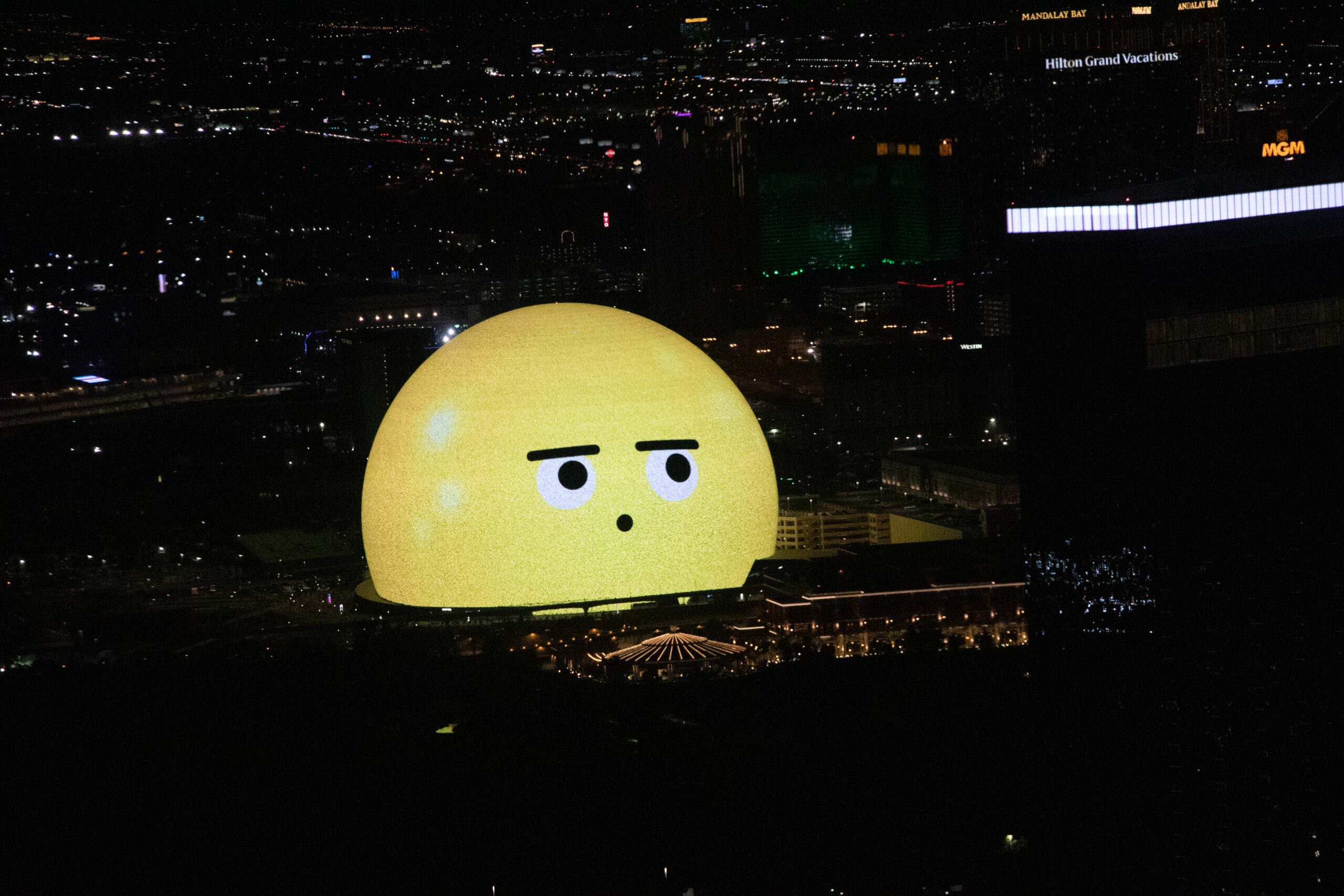
The glowing orb that rewired the Las Vegas skyline is officially getting an East Coast sibling. On October 27, the Prince George’s County Council voted 8 to 0 to approve the financing package for Sphere at National Harbor, a $1.4 billion entertainment venue planned for the Potomac River waterfront in Maryland.
The Maryland Sphere will be the first smaller-scale version of the format: about 6,000 seats, against roughly 17,600 at the Las Vegas original, which opened on September 29, 2023. Smaller does not mean stripped down. The venue is planned with the same signature technology, including a 16K by 16K interior LED display, an exterior LED exosphere, spatial audio, haptic seating and 4D environmental effects, on a site next to MGM National Harbor in Oxon Hill, about 15 minutes from downtown Washington, D.C.
The county’s vote authorizes up to $215 million in special obligation bonds to support the project, which Sphere Entertainment is developing with Peterson Companies. The package includes $130 million in tax increment financing bonds, a $40 million county-owned parking garage and $13.5 million in state funding, with Sphere Entertainment covering the roughly $1.2 billion balance.
Construction is expected to begin in 2027, with an opening targeted for early 2030. If the timeline holds, National Harbor will be the third Sphere on the planet: a full-scale, 20,000-seat venue in Abu Dhabi is expected to be completed in 2029. The message from the company is clear. The Sphere is no longer a one-off Las Vegas spectacle. It is a format, and it is on its way to the world.
Read Next:
LeBron James Built an Empire Off the Court: Ownership Over Endorsements
Kylie Jenner Launches Khy After Dark, a 16-Piece Winter Collection Inspired by L.A. Nights
Wawa Spreads Its Wings to Nashville: First Music City Store Opens November 19 in a Nearly 100-Store YearNetflix Is Building a Real-World Empire: Two Netflix Houses Are Open, and Las Vegas Gets the ThirdA Dozen Doors in One Month: Raising Cane’s Opens 12 Restaurants Across 10 States in November Buc-ee’s Keeps Crossing State Lines: First Stores in Ohio, Arizona and Arkansas in One Year, and More Already on the WayJustin Figueroa Settles the Score With Luis Caraballo Ramos in Four Rounds at the TropicanaZelfa Barrett Drops Gavin Gwynne Twice and Stops Him in the Fifth Round at WembleyViddal Riley Outboxes Seydi Coupe to Retain the European Cruiserweight Title at WembleyJason Moloney Boxes Past Andres Teran in the Zuffa Boxing 13 Co-Feature in Riyadh
-

 We Speak College Football3 days ago
Georgia Takes Over at No. 1 in Second College Football Playoff Rankings of 2026
-

 We Speak Entrepreneurs3 days ago
Alexandr Wang Started Scale AI at 19 in a Y Combinator Dorm Season. Meta Paid $14.3 Billion to Bring Him In House
-

 We Speak Movies3 days ago
Hunger Games Prequel Sunrise on the Reaping Is Tracking Toward a $100 Million Opening
-

 We Speak Authors3 days ago
Travis Devine Goes Global: David Baldacci Sends the 6:20 Man to Australia in “All In”