
We Speak Actors
Gia Skova to star in and direct spy action sequel ‘The Serpent 2’


In 2021, ‘The Serpent’ burst into the indie film world with its secret-agent heroine Lucinda Kavski, described as “a female Jason Bourne meets James Bond”. Written, directed by and starring Gia Skova, the next thrilling film in the series is now in pre-production.
The original ‘The Serpent’ was made for just $1 million and grossed $3 million around the world. Skova created the character of CIA operative Lucinda by drawing her in comic books, and describes her as a “strong, insanely beautiful, heroically courageous woman, who embodies hope, defeats evil and saves the world”.

Skova says the appeal of the films is due to its female lead, diverse casting, international settings and intriguing storylines. She says: “Lucinda Kavski is the CIA’s most decorated agent the world has never seen. Known by her alias ‘The Serpent’, there is no terrorist organisation she can’t infiltrate, but when her most dangerous target reveals themselves to be beyond organisation and above nations, Lucinda must decide who to test and where her allegiance lies, with the fate of the world at stake and her own life in danger.
“In this new film, we’ll see the beginning of the story, where Lucinda’s story started, and we’ll get to know why Lucinda is so ambitious.”
As in the previous film, Skova will do all the stunts herself, without a stunt double on set. This time around, she said that “the stunts are going to be even cooler”. She adds, “We’re planning to film mainly in the US, but we’re also looking at some locations in the Middle East.”
The film is retaining the same cast as the previous movie, but Skova says, “Look out for some new faces too”. She continues, “I’m very happy to get everyone back together again. The filming process is like a family that creates something that doesn’t yet exist – then, at the end, we have the birth of a film.”

Skova is passionate about making films with female-led teams and in 2017 she founded Valholl Production to create a platform for diverse voices in Hollywood. She quotes the statistic that women account for just 28% of all creators, directors, writers, executive producers, producers, editors and directors of photography. Valholl Production – named after Valhalla, a concept in Norse mythology – has worked with organisations including Sundance Institute and Women In Film.
Having started acting aged 12, Skova’s previous credits include ‘João, o Maestro’, ‘Finding Beauty in the Beast’ and ‘Bleed for This’. As well as an actor and filmmaker, Skova is also a model, having appeared in fashion magazines including Vogue and InStyle, walked in runway shows for designers such as Stella McCartney and Marc Jacobs, and featured in adverts for L’Oréal and Red Bull.
Featured photo credit: David Kaminski
More from We Speak Media:
- Brendan McNamee talks acting, directing, and his appearance in ‘The Penguin Lessons
- Milos Bikovic to star in ground-breaking spy thriller ‘Red Silk’
 Tom Cruise Named 52nd Recipient of the AFI Life Achievement Award
 Anupam Kher Joins the Cast of Swedish Feature Film ‘Out of Fashion’
 Jack Hudson to Star Alongside Stephen Lang in Western Thriller ‘The Mercy Rider’
 Samara Weaving Joins the Cast of Olivia Wilde’s Holiday Comedy ‘Naughty’
 Smith-Njigba, Wilson Lead Seahawks Past Chiefs 20-3 on Sunday Night, Handing Kansas City Its First Loss
 Six Straight: No. 12 Kentucky Erases Early Hole to Beat Vanderbilt 34-17
 Texas Holds On This Time: Longhorns Survive Ole Miss Comeback 34-27
 Orsan at the Buzzer: South Carolina Shocks No. 11 Tennessee 27-24 in Columbia



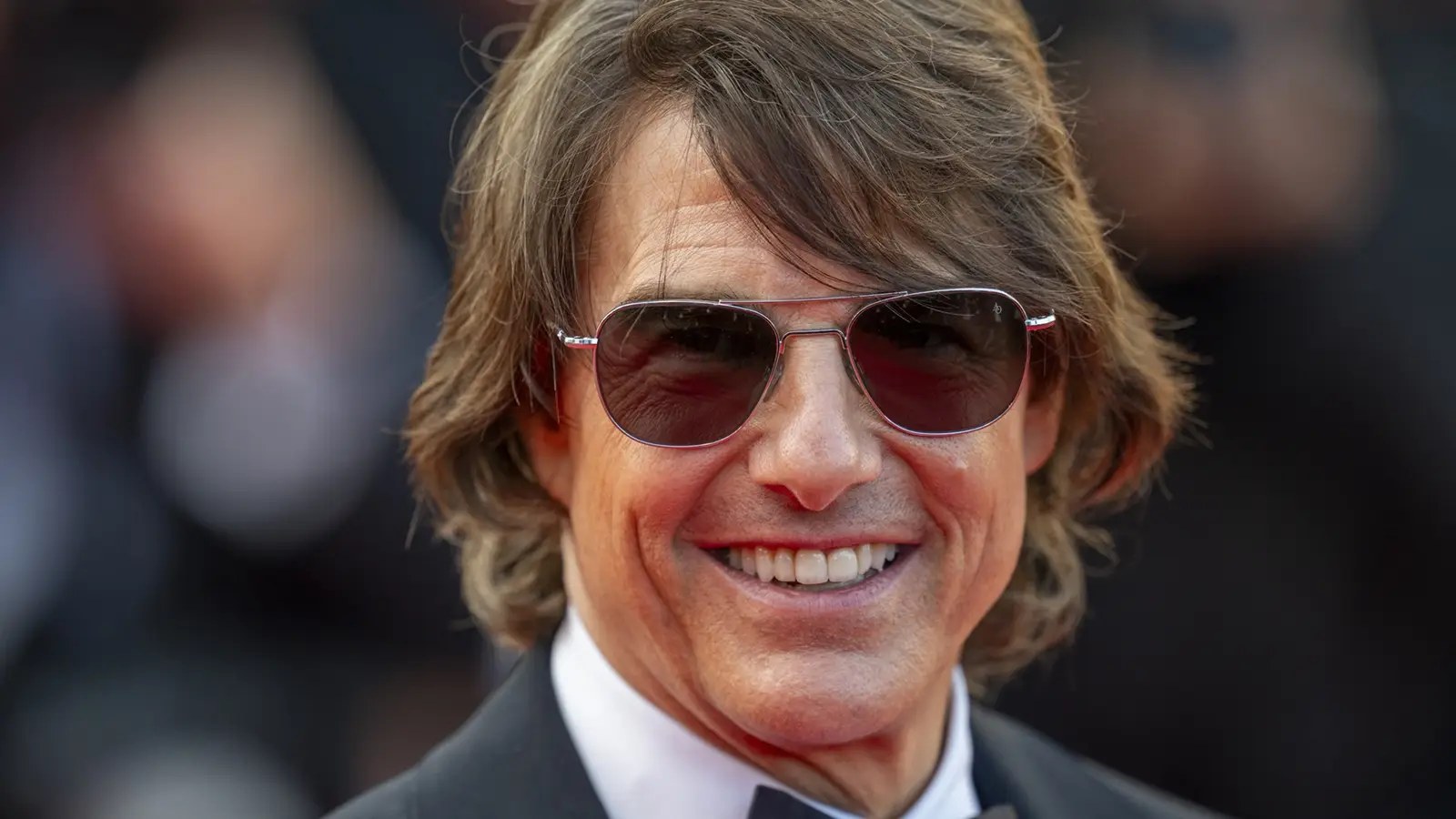
Tom Cruise is set to receive American cinema’s most prestigious career honor. The American Film Institute has named Cruise the 52nd recipient of the AFI Life Achievement Award, recognising a career that has defined the modern blockbuster for more than four decades.
Few actors have shaped the theatrical era the way Cruise has. From his breakout in Risky Business and the phenomenon of Top Gun, through dramatic heavyweight turns in Rain Man, Born on the Fourth of July, A Few Good Men and Jerry Maguire, to the Mission: Impossible franchise — where his commitment to practical stunt work became the industry standard — Cruise has remained the defining movie star of his generation.
The AFI Life Achievement Award, established in 1973, is presented to a single honoree whose body of work has made a lasting contribution to American culture. For Cruise, the tribute caps a run that has consistently championed the big-screen experience, drawing global audiences back into cinemas and setting box-office benchmarks that few performers in history can match.
He joins one of the most exclusive honor rolls in film — a recognition, four decades in, that the mission is far from over.
Anupam Kher Joins the Cast of Swedish Feature Film ‘Out of Fashion’Jack Hudson to Star Alongside Stephen Lang in Western Thriller ‘The Mercy Rider’Samara Weaving Joins the Cast of Olivia Wilde’s Holiday Comedy ‘Naughty’ Orlando Bloom and Elijah Wood Join ‘The Gentlemen’ Season 3 as Netflix Begins ProductionSmith-Njigba, Wilson Lead Seahawks Past Chiefs 20-3 on Sunday Night, Handing Kansas City Its First LossSix Straight: No. 12 Kentucky Erases Early Hole to Beat Vanderbilt 34-17Texas Holds On This Time: Longhorns Survive Ole Miss Comeback 34-27Orsan at the Buzzer: South Carolina Shocks No. 11 Tennessee 27-24 in Columbia
-

 We Speak Jazz3 days ago
Toronto Jazz Singer Ori Dagan Announces First Live Album ‘Live in the Market’ for October 23 Release
-

 We Speak Comedy4 days ago
Nate Bargatze Plays Rexburg Tomorrow, Then Settles Into Las Vegas on the Record-Breaking Big Dumb Eyes Tour
-

 WE Speak MMA4 days ago
UFC 334: Gane vs. Hokit, Harrison vs. Nunes Title Fights Set for November 14 at Madison Square Garden
-

 We Speak Movies2 days ago
AFI Fest 2026 Opens in Hollywood: Laika’s ‘Wildwood’ Kicks Off the Festival’s 40th Edition