
We Speak Entertainment
Khia and Trina Are Still At It, They Continue to Throw Insults at Each Other On Social Media

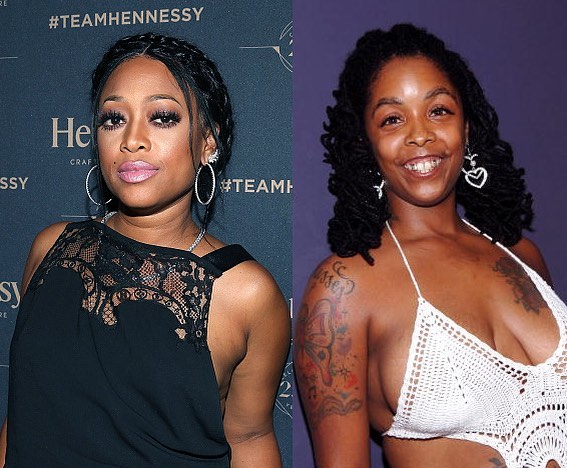
Some beefs simply won’t die, and it appears that Khia vs. Trina is one of them. After throwing some shade at each other over Instagram this past summer, the two have resumed their insult-chucking over the last week or so.
This part of the conflict surfaced during last week’s episode of The Queens Court, a web series Khia hosts with Ts Madison. During this particular show, Khia, who’s never had any problem airing out her beefs, called out Lil Wayne’s daughter Reginae Carter for clapping back at Khia’s diss toward her mom Toya Wright.
In her episode, Khia claims that Trina was once Reginae’s step mother and that she used to hook up with her mother Toya, her father Lil Wayne and his father figure, Baby.
“That’s how far me and your daddy [Lil Wayne] go way back,” Khia said to Reginae, who signed to her father’s Young Money Entertainment years ago. “Back to a time when your step mama Sour Puss [Trina] was fuckin’ your Baby,” she continued. “You know, no she’s not the baddest because she fucked your mama and your daddy. That don’t make her the baddest, baby. That make you a damn fool to even bring her up. Now, since your mama didnt tell you that she was swinging with your daddy and your step-daddy, Baby, I’m gon’ be the one to tell you: don’t bring that up no more baby. Don’t bring that up never again.”
For her part, Trina recently clapped back during an appearance on Power 105.1’s The Breakfast Club. Trina threw her bit of shade when DJ Envy brought up Khia’s claim that she didn’t write her own lyrics.
“We don’t address cockroaches on The Breakfast Club,” Trina said, taking aim directly at Khia. “What I’m trying to tell you is when you look at the Trina music, you look at the Trina name, you wonder how Trina lasts for 17 years, you wonder how Trina gets so many bags, hmmmmm—that royalty is very good daddy.”
In another newer episode of The Queens Court, Khia calls Trina a bedbug. “You is not the baddest bitch, you do not look better than me—bitch you do not have more hit singles than me. All you do is try to make friends with bitches in the industry. If I’m a roach, you a bedbug,” she said in one clip.
Check out the whole saga for yourself in the videos below. Trina’s Khia mention comes up at the 7:45 mark of her Breakfast Club interview.




We Speak Entertainment
OFFICIAL TRAILER RELEASED FOR “CALL ME MICKY,” EXECUTIVE PRODUCED BY DOMINIQUE JACKSON

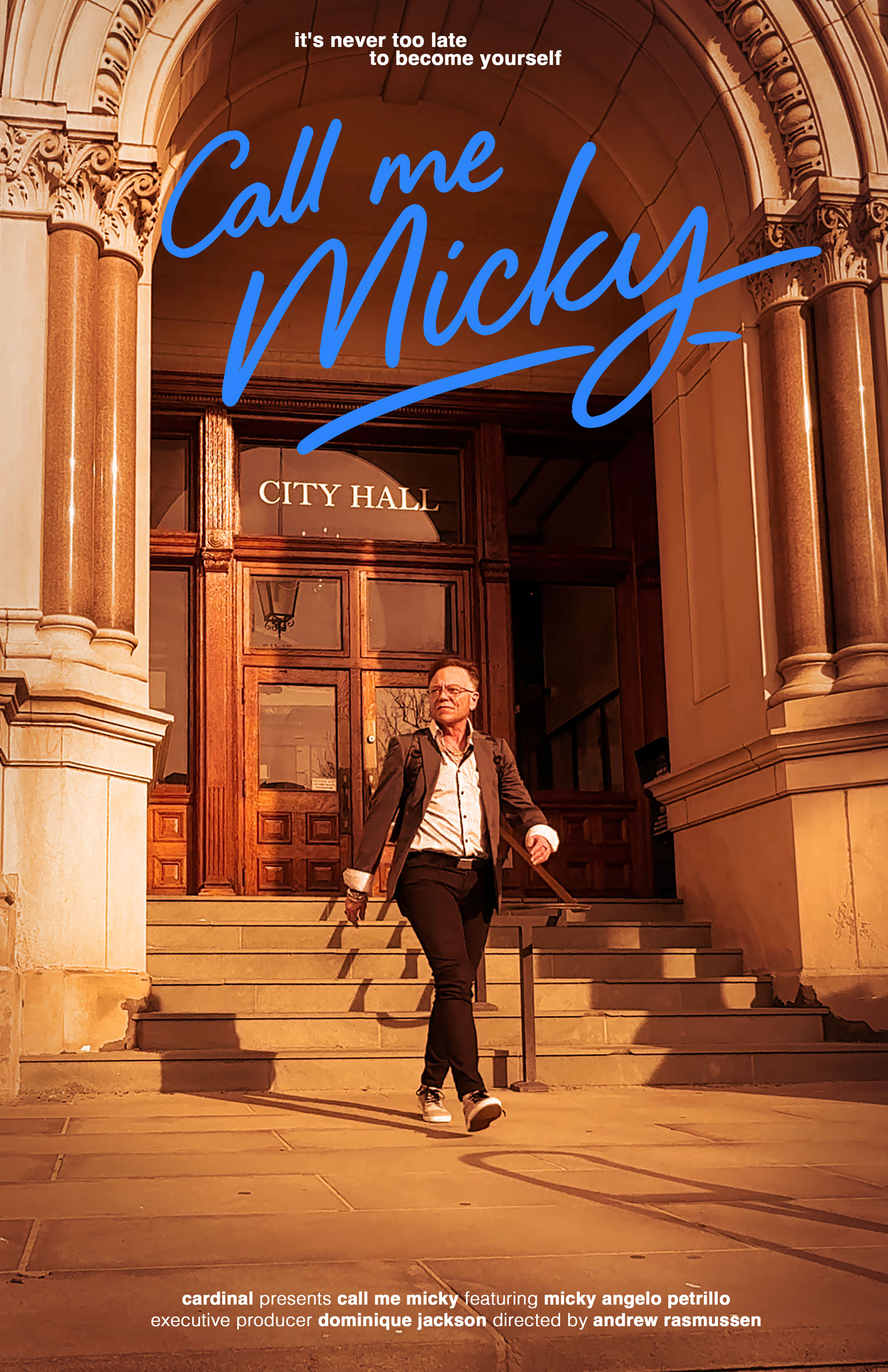
New 22-minute documentary short follows Micky Angelo Petrillo after transitioning at 59, with the acclaimed POSE star helping bring his story to the screen
FOR IMMEDIATE RELEASE — NEW YORK: The official trailer for CALL ME MICKY, a new documentary short Executive Produced by acclaimed POSE star Dominique Jackson and directed by Andrew Rasmussen, has been released on YouTube ahead of the film’s upcoming festival run.

The 22-minute documentary follows Micky Angelo Petrillo, a larger-than-life New Jersey native who transitioned at 59 and is now discovering what comes next.
Rather than presenting transition as the conclusion of Petrillo’s story, CALL ME MICKY focuses on the life unfolding afterward — through Pride celebrations, open mics, friendships, storytelling and Petrillo’s increasingly public embrace of the man he fought decades to become.
Jackson also appears in the film, joining Petrillo for an intimate on-camera conversation about identity, visibility and what it means to finally live openly as yourself.

Internationally recognized for her commanding portrayal of Elektra on FX’s groundbreaking series POSE, Jackson is an actress, model, activist and producer who also served as an Executive Producer of the acclaimed documentary I’M YOUR VENUS, which premiered at the Tribeca Festival.
Petrillo is the author of the memoir Walking the Earth: First as a Woman, Then a Man.
While CALL ME MICKY captures one chapter of Petrillo’s much larger story, the film offers an intimate portrait of a man discovering that becoming yourself is not the ending — it may only be the beginning.

CALL ME MICKY is produced by CARDINAL, a New York City–based creative production company, and directed by CARDINAL co-founder Andrew Rasmussen.
The film begins its festival run this fall, with additional screenings and festival announcements forthcoming.
Watch the official trailer for CALL ME MICKY:
For more information, visit https://www.CallMeMickyFilm.com
.
-

 We Speak Events6 days ago
HOT ROD Power Fest Brings Two Days Of Horsepower To Atlanta
-

 We Speak Music5 days ago
Reggie Benjamin Reimagines The Classics On Harmony In Blue: The Duets
-

 We Speak Actors1 week ago
Actress Amber Lily Butterworth on Her Growing Career in Film
-

 We Speak Music1 week ago
Dysmusia Keeps “In your eyes” Honest, Warm And Straight To The Point