We Speak Actors
Born in Tehran, Raised on the UK Stage: How Mohsen Ghaffari’s Dual Vision and Multilingual Craft Define His Acting Identity

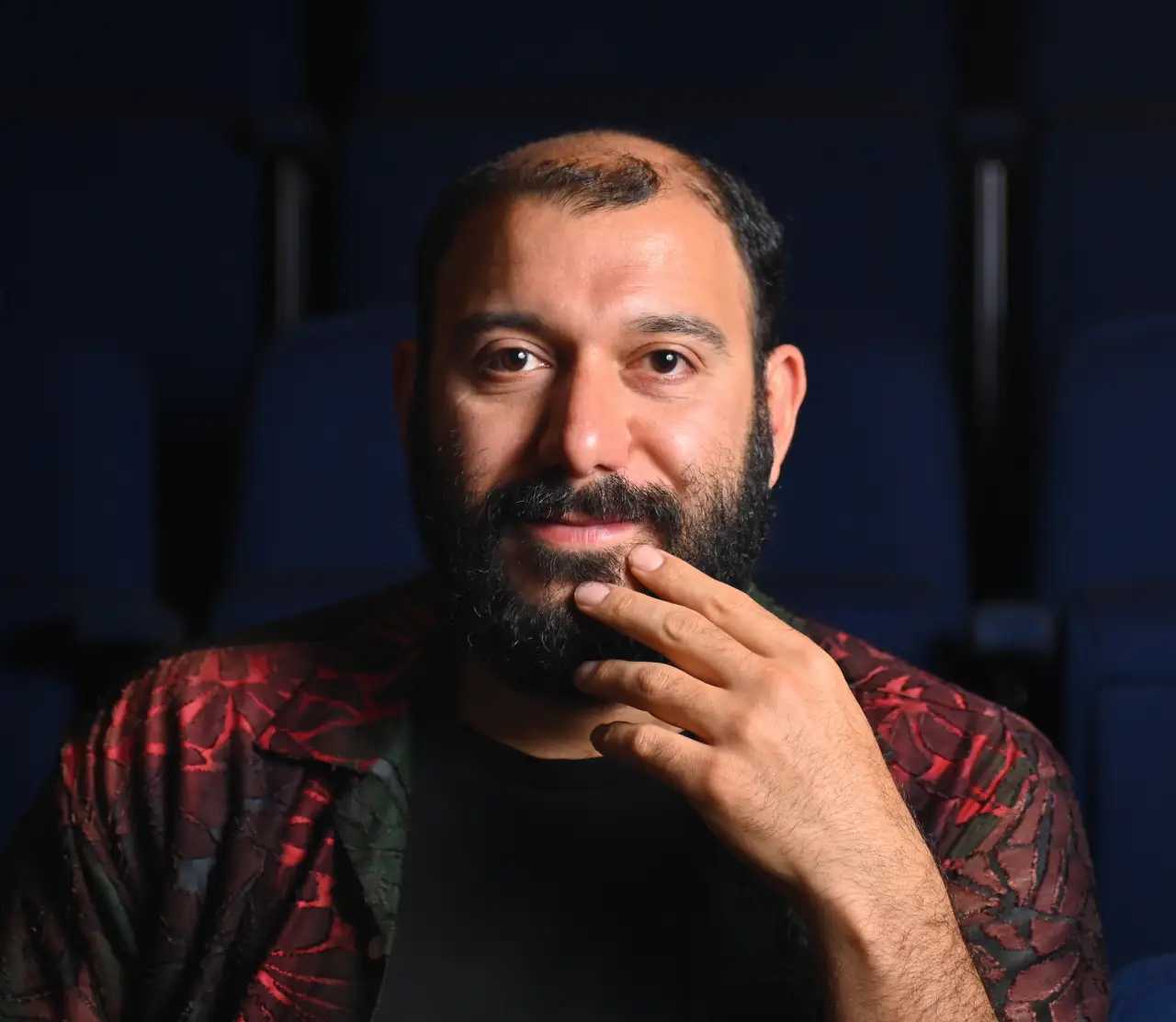
With a career spanning theatre, television, and award-winning international productions, Iranian-British actor Mohsen Ghaffari is quietly carving out a name as one of the most compelling emerging talents of his generation. Born in Tehran and having built his career in the UK, Ghaffari brings a uniquely global perspective to every role—comfortable working in Farsi, English, Kurdish, Dari, Turkish and Arabic, and equally at home on a classical stage or a high-stakes international drama set.
Fresh off his breakout performance in The Deal—a powerful political series that earned acclaim and multiple awards at Series Mania—Mohsen is now starring in The Government Inspector at Chichester Festival Theatre, directed by the legendary Gregory Doran. From embodying multilingual characters in complex geopolitical narratives to championing cross-cultural stories with emotional resonance, his work is defined by depth, nuance, and a fierce commitment to authenticity.
In this conversation, Mohsen reflects on the power of language, cultural duality, and what it means to bring your full self to the stage and screen.
1. The Deal has received fantastic reception and even won multiple awards at Series Mania. Can you share what the experience has been like for you as an actor, and how the success of the show has influenced your career?
The success of The Deal is really down to the incredible team behind it, especially Jean-Stéphane Bron, our director. Jean dedicated over five years of his life to this story, and it shows in every frame of the show. His rich background in documentary filmmaking brought a unique, almost raw authenticity to the production that pushed us all to dig deeper into our characters and the narrative. It was an experience that felt real in a way I hadn’t anticipated, and it was Jean-Stéphane’s vision and relentless dedication that gave the project such a powerful heartbeat.
For me as an actor, working on this show was a journey of growth. The accolades it received—particularly at Series Mania—are humbling, but ultimately, it’s the experience of collaborating with such a talented team that I’ll always treasure. The success of the show has opened up new doors and opportunities, which I’m really grateful for, but it’s not just about the recognition. It’s the chance to continue working on projects that excite me and challenge me creatively that really fuels my passion.

2. You’re currently working on a new theatre project at Chichester Festival Theatre, directed by Gregory Doran. How has this collaboration with such a legendary director shaped your approach to the production? What can audiences expect from the show?
Believe it or not, working with Gregory Doran has been a dream come true. For years, I’ve wanted to collaborate with him, especially when he was at the RSC, so it’s incredibly special to finally have that opportunity. Gregory has this incredible ability to give actors the freedom to explore their roles. He makes you feel so comfortable, in fact, that you somehow end up bringing a bit of yourself, your culture, your accent, your unique perspective, into the performance in ways you didn’t even expect. It’s truly magical how he creates a space where you feel empowered to take those risks while also grounding you with a solid foundation.
His direction is graceful and intuitive, and somehow he allows you to take ownership of your character while remaining true to the story’s core. I honestly don’t know how he does it, but it’s one of the rare qualities in a director that really makes you feel seen and heard.
As for what audiences can expect from The Government Inspector, it’s a brilliant, satirical show with a sharp wit and biting social commentary. It’s funny but layered with deeper meaning, exploring themes of bureaucracy and human nature.
“The energy in the room is electric, and I believe the audience will truly connect with both the humor and the more poignant moments in the story.”
And, if we do justice to the play, I hope the audience can see a bit of themselves reflected on stage or find elements that resonate with them.

3. As an Iranian-British actor, your background likely gives you a unique perspective on the roles you take on. How has your heritage influenced your work in both theatre and television?
Being Iranian-British has certainly shaped how I approach acting, especially when it comes to roles that involve cultural depth and authenticity. Growing up in Iran and then moving to the UK, I’ve had the opportunity to experience life through both perspectives. It gives me a kind of “dual vision” when I’m preparing for a role, seeing it from both a Western and Middle Eastern viewpoint. It also means I’m attuned to how characters might experience life in two worlds, which adds layers to their stories.
I think a lot of the roles I’ve taken on reflect that: whether it’s portraying an Iranian-Kurdish character in Ostan, or an Iranian officer in Flight 422, there’s a richness that comes from understanding both sides of the cultural experience. My heritage allows me to approach roles with that level of detail, ensuring I’m capturing the right elements of the character’s identity and personal journey.
Ultimately, it’s about telling more authentic and grounded stories. I feel incredibly fortunate to be able to bring this perspective to both the stage and screen, and I’m excited for more opportunities to explore those roles moving forward.
4. Your multilingual abilities are a distinctive part of your career. How have they helped you connect with a wider range of roles and audiences, and how do you see this skill shaping your future projects?
Being a native Farsi speaker definitely gives me a solid foundation to connect with other Middle Eastern languages, like Dari, Arabic, Sorani, and Kurmanji, and even different dialects, like Moroccan Arabic. I’ve always felt that understanding the culture and language makes a huge difference when playing characters. It’s not just about speaking the words; it’s about capturing the emotion, the context, and really living in the character’s world.
For example, in Phaedra at the National Theatre, I understudied one of the characters when the original cast member got hit by COVID. I had to step in and perform in Moroccan Arabic, and even though I hadn’t done that before, my familiarity with Arabic really helped me feel comfortable with the language. And in The Syrian Baker at Farnham Maltings, there weren’t many Arabic lines, but just having that cultural understanding was so helpful in adding authenticity to the role.
“From playing an Iranian-Kurdish character in Ostan, where I was juggling five languages (English, Farsi, Arabic, Kurdish, and Kurmanji), to playing Iranian army officers in Flight 422 and The Deal, I feel like my multilingualism really opens doors. It lets me connect with a broader range of characters and makes it easier to bring those roles to life authentically.”
Looking ahead, I’m excited to keep using this skill to tackle even more diverse roles and share stories that reflect different cultures. It’s something that I hope will continue to shape my career, giving me the chance to tell even more stories from all over the world.

5. Looking to the future, what types of stories are you most passionate about telling, and what are you excited about in the next chapter of your career?
I’m drawn to stories that centre real, complicated people, especially those who exist between cultures, or who are navigating systems bigger than themselves. I love character-driven screen work that carries emotional depth and political or social weight , but I also enjoy projects that surprise me formally or tonally. The Deal really opened that door further for me, and I’d love to keep working across international productions that challenge and inspire.
At the same time, I have a real love for classical theatre, especially Shakespeare. Working with Gregory Doran, who ran the RSC for years, felt like being one step away from the big Shakespearean leagues. Hopefully it’s just a matter of time now, I’ve waited patiently, surely it’s my turn! (laughs) I’d love the chance to bring my own perspective to those stages, whether at the Royal Shakespeare Company or Shakespeare’s Globe.
Ultimately, I’m excited by collaboration, with bold directors, writers, and teams who want to tell human, resonant stories. And I’m beginning to develop some of my own work too, which feels like a natural next step.
Fetured photo by Oscar Davidson



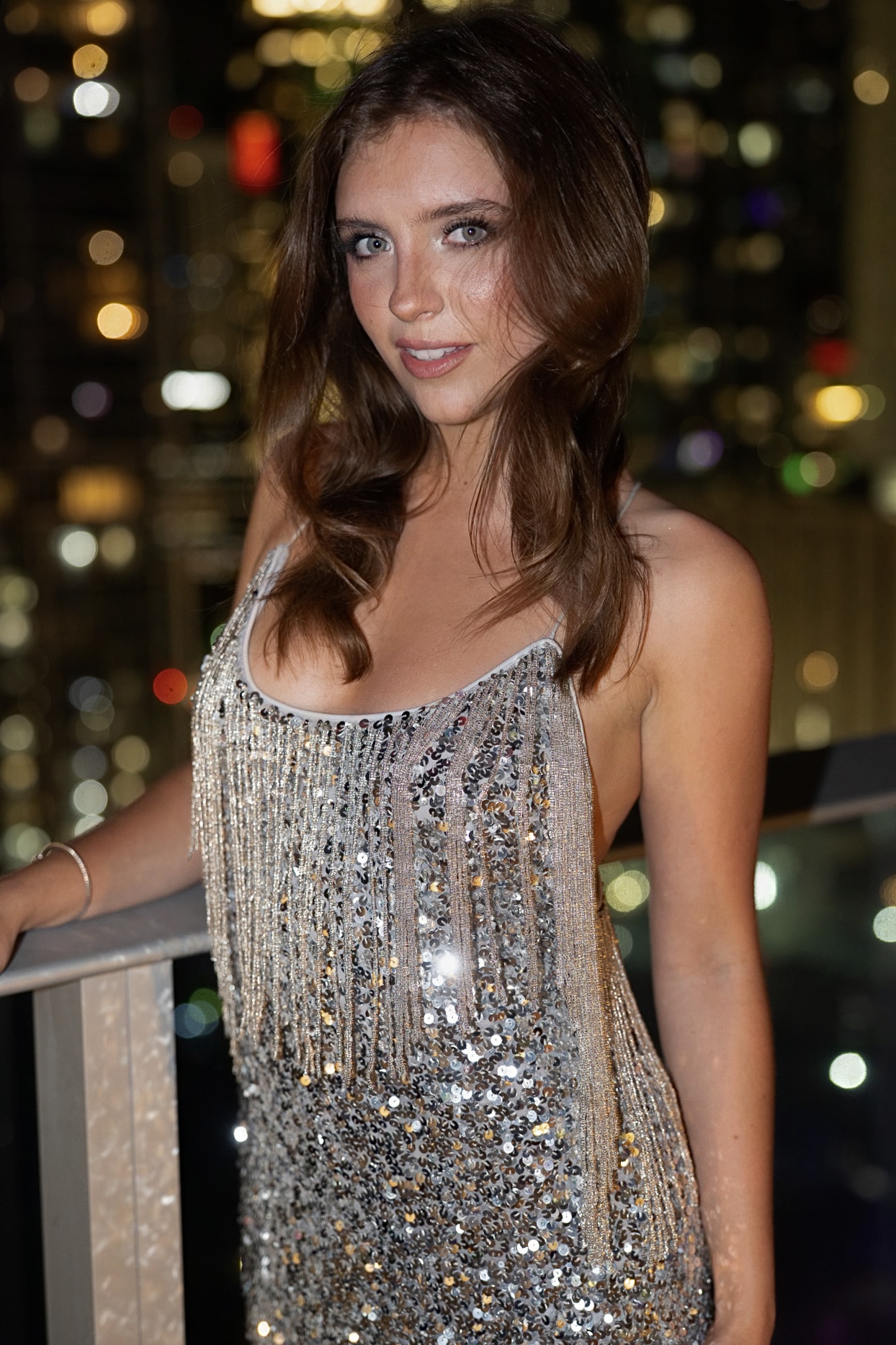

In April, singer-songwriter and actress Alivia Clark released the breathtaking single, “Breathless.” The budding songstress now closes out the summer and kicks off the fall with “Dancing In Circles.” The Dance-Pop anthem is marked by its pulsating, intoxicating rhythm and Alivia Clark’s polished, sultry vocals.
“Dancing In Circles” is a groove-led up-tempo record that is fun and uber-catchy. The euphoric song’s sensual vibe accentuates the track’s theme of blissful yet wary seduction and temptation. “‘Dancing In Circles’ explores the push and pull of attraction and is about being stuck in a cycle with someone that you know isn’t good for you, but the chemistry makes it impossible to let go.” Alivia Clark continues, “There’s something so addictive about that feeling, you know that you’re going around in circles, but part of you doesn’t want to stop.”
-
We Speak Music1 week ago
Mel D makes bittersweetness glow with magnetic new single ‘ORANGE’
-

 We Speak Music1 week ago
Kazimi Shines In New Single ‘Errant Nodes’
-
We Speak Music1 week ago
The Falling Doves release ‘Blinded By Your Love’ ahead of UK, Europe & US tour
-

 We Speak Music1 week ago
Karabo Unleashes New Single ‘Only 4 U’