
We Speak Financials
How NBA Sneaker Deals Actually Work

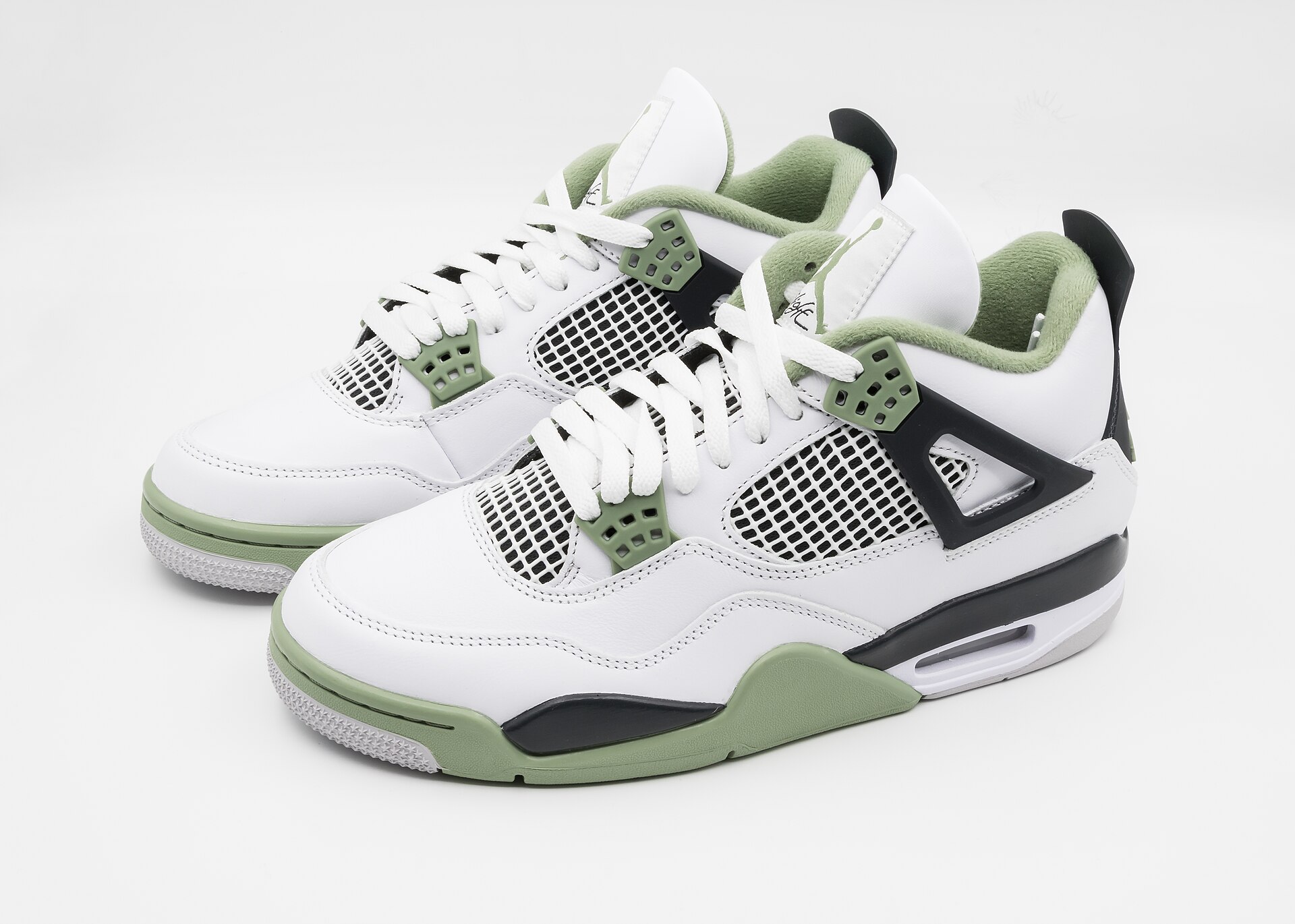
The richest contract some NBA players ever sign is not with a team. It is with a shoe company. But sneaker deals are not one thing — they are a ladder, and where a player stands on it determines whether the deal is a nice bonus or a second fortune. Here is how the ladder works.
The bottom rung is the merchandise deal: cash and free gear for wearing a brand in games, with no signature shoe and little advertising. Most roster players live here. One rung up is the endorsement deal, where a recognizable starter gets real money, marketing appearances and player-exclusive colorways. The reported market for young stars can move fast: Zion Williamson’s Jordan Brand deal was reported at roughly $75 million over five years when he signed as a rookie in 2019 — the richest annual-value rookie shoe deal at the time — before he had played a single NBA game.
The top rung is the signature tier: your name, your logo, your own shoe line, plus royalties on sales. This is where the famous numbers live. Adidas signed James Harden in 2015 to a reported 13-year deal worth up to $200 million. And above even that sits the rarest tier in sports marketing — the lifetime deal. Only three NBA players have one with Nike: Michael Jordan, LeBron James and Kevin Durant, who signed his in 2023 and said it felt like winning a championship. James’ 2015 lifetime agreement with Nike has been widely reported to be worth more than $1 billion over his life, with annual payments reported in the range of $30 million a year.
Why do brands pay it? Because a signature star sells more than shoes. He sells the brand to the next generation of players, who grow up wanting the same deal — a cycle the companies are happy to fund. A player’s leverage peaks exactly when his fame does, which is why these contracts are negotiated like free agency, with rival brands bidding and matching rights written in.
The lesson underneath the glamour: a team contract pays for a career, roughly twenty years at the very most. The right shoe deal, structured with royalties and equity-like upside at the top tier, can pay for a lifetime — and, in Jordan’s case, long past it.
 The Business of This World Series: Record Tickets in Milwaukee, a Different Market in Tampa Bay
 LeBron James Built an Empire Off the Court: Ownership Over Endorsements
 Formula 1’s Money Boom in America
 Bad Bunny’s Residency Math: Why Staying in One Place Paid
 MapleStory Classic World Launches, Bringing the Classic Era Back to PC and Mac
 PUBG Studios’ PUBG: DED.NET Opens First Closed Beta on Consoles
 Netmarble Sets October 27 Global Launch Date for Vampire-Themed MMORPG VAMPIR
 PUBG: Battlegrounds Update 43.2 Adds Bentley Skins and a New Co-Op PvE Mode



We Speak Financials
The Business of This World Series: Record Tickets in Milwaukee, a Different Market in Tampa Bay
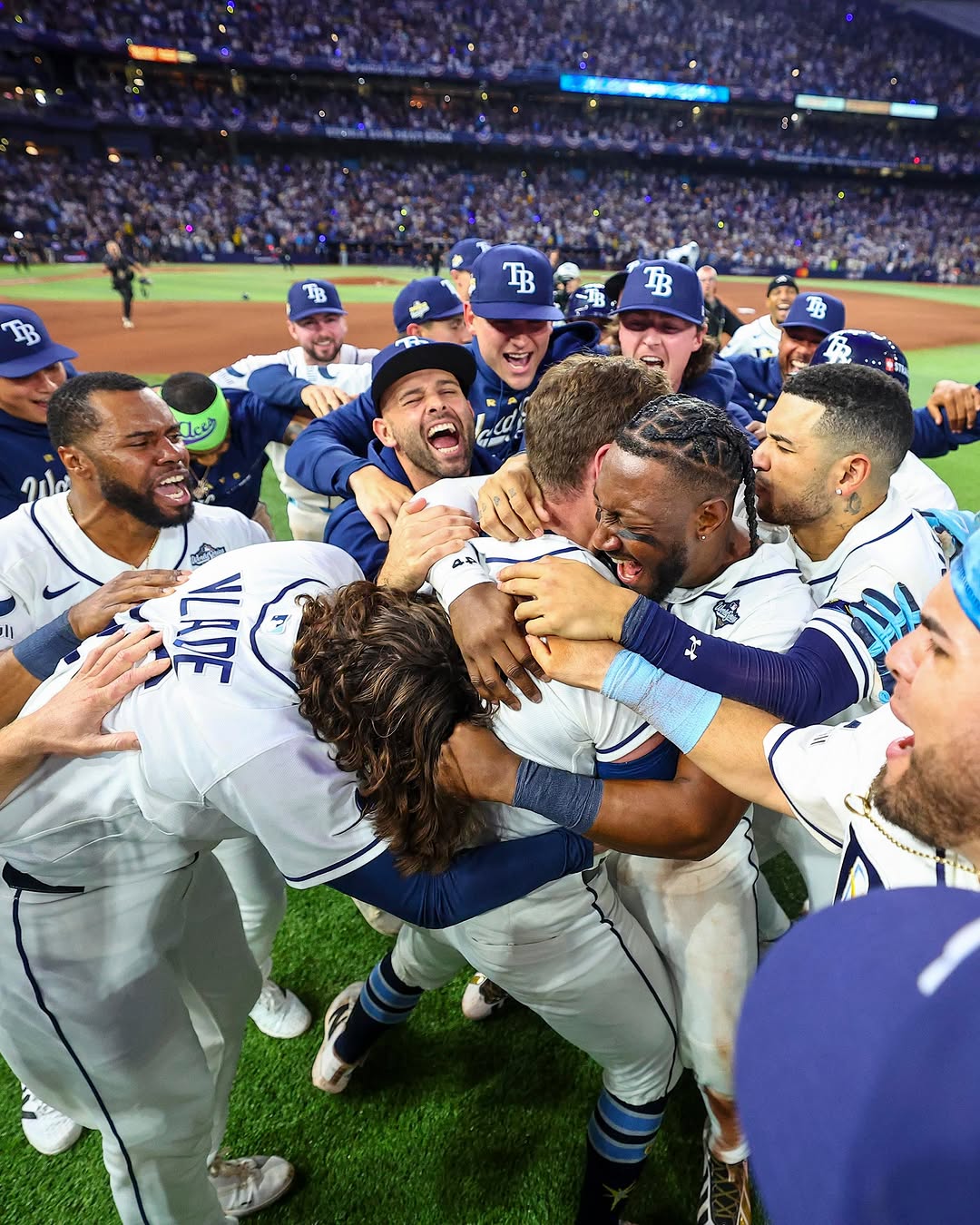
This World Series is a business story before it is a trophy story. The Milwaukee Brewers lead the Tampa Bay Rays three games to one, Game 5 is set for Wednesday night at Tropicana Field, and neither club has ever won a championship. That last fact is the one moving the money.
Two ticket markets, not one
Nowhere is that clearer than in the price of getting in. According to TicketData.com, reported by Field Level Media, the get-in price for Game 1 in Milwaukee was $2,338, a World Series record. Game 2 was close behind at $2,269. Both games passed the old record of $1,809, set at Wrigley Field in 2016, according to TicketData.com.
Tampa Bay told a different story. With the Rays down two games to none, Field Level Media reported the Game 3 get-in price in St. Petersburg fell to $536, with Game 4 at $755 and a possible Game 5 at $700, based on TicketData.com figures. The Rays then won Game 4 in 12 innings to stay alive, and USA Today reported Game 5 tickets starting at $728. Milwaukee fans are paying record prices for a moment 44 years in the making; Tampa Bay’s building sits in a smaller, cheaper market.
Milwaukee also found a second gate without a game at home. Reuters reported that more than 30,000 fans turned out for the Brewers’ watch party at American Family Field for Game 4, that watch-party tickets were capped at 31,000, and that the $15 tickets benefited the Brewers Community Foundation. Reuters also reported watch-party tickets reaching $293 on the resale market an hour before the game. A road game, sold like a home game, is found money a deep run creates.
The television money runs underneath everything
The biggest money in the Series is not at the gate. It is in the national television deals shared across the league. Sports Media Watch lists Fox, which carries the World Series, at about $728.6 million a year for its baseball package through 2028. Variety reported that Fox’s deal was estimated at $5.1 billion in total when it was extended through 2028.
That money is shared across Major League Baseball rather than kept by the two clubs playing. What the clubs keep is the local part: home gates, food and drink, merchandise, and the ticket and sponsor interest a run like this builds for next year.
What a run is worth to these two clubs
Context matters, because these are not rich clubs by baseball standards. According to Reuters, Forbes valued the Brewers at $1.9 billion in its 2026 team valuations, ranked 21st in the league, with the Rays three places below them at $1.7 billion.
No public source puts a firm dollar figure on what one championship run adds to a club like these, and any exact number would be a guess. The value shows up in sellout crowds at record prices, a stadium filled for games played 1,200 miles away, merchandise tied to a first title, and a winter of ticket and sponsor sales. That is the kind of month that moves the next valuation, whichever team lifts the trophy.
 How NBA Sneaker Deals Actually WorkLeBron James Built an Empire Off the Court: Ownership Over EndorsementsFormula 1’s Money Boom in AmericaBad Bunny’s Residency Math: Why Staying in One Place PaidMapleStory Classic World Launches, Bringing the Classic Era Back to PC and MacPUBG Studios’ PUBG: DED.NET Opens First Closed Beta on ConsolesNetmarble Sets October 27 Global Launch Date for Vampire-Themed MMORPG VAMPIRPUBG: Battlegrounds Update 43.2 Adds Bentley Skins and a New Co-Op PvE Mode
-

 We Speak Jazz6 days ago
Toronto Jazz Singer Ori Dagan Announces First Live Album ‘Live in the Market’ for October 23 Release
-

 WE Speak MMA7 days ago
UFC 334: Gane vs. Hokit, Harrison vs. Nunes Title Fights Set for November 14 at Madison Square Garden
-

 We Speak Comedy7 days ago
Nate Bargatze Plays Rexburg Tomorrow, Then Settles Into Las Vegas on the Record-Breaking Big Dumb Eyes Tour
-

 We Speak Celebrity News5 days ago
Jennifer Lawrence Steps Into Beauty With Biodesigned Haircare Brand mes°