
We Speak Financials
The Business of This World Series: Record Tickets in Milwaukee, a Different Market in Tampa Bay

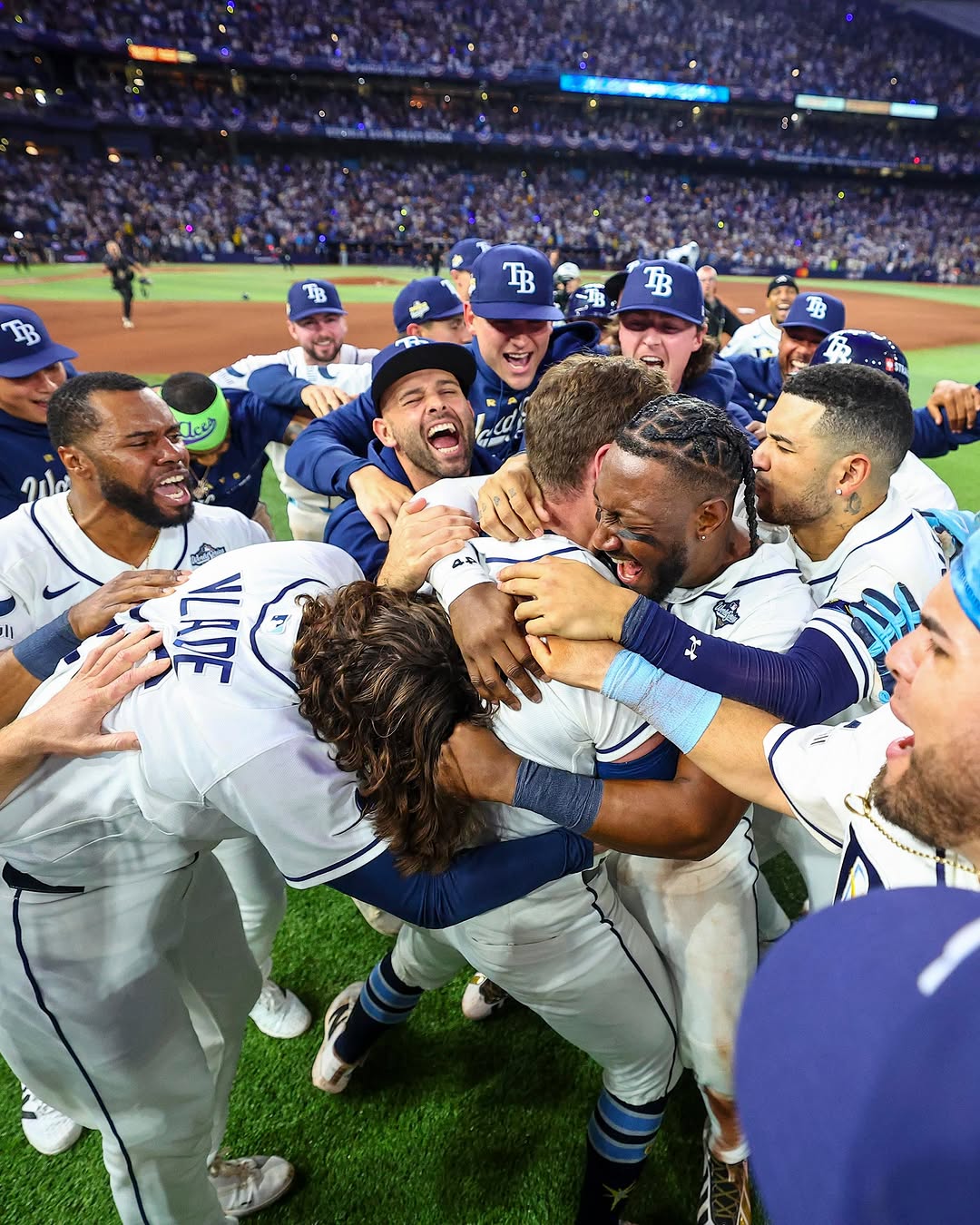
This World Series is a business story before it is a trophy story. The Milwaukee Brewers lead the Tampa Bay Rays three games to one, Game 5 is set for Wednesday night at Tropicana Field, and neither club has ever won a championship. That last fact is the one moving the money.
Two ticket markets, not one
Nowhere is that clearer than in the price of getting in. According to TicketData.com, reported by Field Level Media, the get-in price for Game 1 in Milwaukee was $2,338, a World Series record. Game 2 was close behind at $2,269. Both games passed the old record of $1,809, set at Wrigley Field in 2016, according to TicketData.com.
Tampa Bay told a different story. With the Rays down two games to none, Field Level Media reported the Game 3 get-in price in St. Petersburg fell to $536, with Game 4 at $755 and a possible Game 5 at $700, based on TicketData.com figures. The Rays then won Game 4 in 12 innings to stay alive, and USA Today reported Game 5 tickets starting at $728. Milwaukee fans are paying record prices for a moment 44 years in the making; Tampa Bay’s building sits in a smaller, cheaper market.
Milwaukee also found a second gate without a game at home. Reuters reported that more than 30,000 fans turned out for the Brewers’ watch party at American Family Field for Game 4, that watch-party tickets were capped at 31,000, and that the $15 tickets benefited the Brewers Community Foundation. Reuters also reported watch-party tickets reaching $293 on the resale market an hour before the game. A road game, sold like a home game, is found money a deep run creates.
The television money runs underneath everything
The biggest money in the Series is not at the gate. It is in the national television deals shared across the league. Sports Media Watch lists Fox, which carries the World Series, at about $728.6 million a year for its baseball package through 2028. Variety reported that Fox’s deal was estimated at $5.1 billion in total when it was extended through 2028.
That money is shared across Major League Baseball rather than kept by the two clubs playing. What the clubs keep is the local part: home gates, food and drink, merchandise, and the ticket and sponsor interest a run like this builds for next year.
What a run is worth to these two clubs
Context matters, because these are not rich clubs by baseball standards. According to Reuters, Forbes valued the Brewers at $1.9 billion in its 2026 team valuations, ranked 21st in the league, with the Rays three places below them at $1.7 billion.
No public source puts a firm dollar figure on what one championship run adds to a club like these, and any exact number would be a guess. The value shows up in sellout crowds at record prices, a stadium filled for games played 1,200 miles away, merchandise tied to a first title, and a winter of ticket and sponsor sales. That is the kind of month that moves the next valuation, whichever team lifts the trophy.
 Paramount Posts Its First Numbers After the $110 Billion Warner Bros. Deal
 The Lakers Sale Closes In on a Record $12.5 Billion Valuation
 Miami’s Malachi Toney Turns a Scam Scare Into a Deal With JPMorgan Chase
 Trent Williams Cashes In Again With a $50 Million Extension in San Francisco
 Trace Crowe Finishes Off 13-Under 131 To Lead Austin Championship Into The Weekend
 AFC Toronto Chase a First Diana B. Matheson Cup Against Montréal Roses in NSL Championship Final at TD Place
 Ravens Say Lamar Jackson’s Broken, Dislocated Thumb Typically Takes 6-10 Weeks to Heal
 NC State Names Philip Rivers Head Football Coach



Paramount has given Wall Street its first look at life after the biggest merger in entertainment. In its third quarter earnings report on Monday, November 9, the first since closing the $110 billion combination with Warner Bros. Discovery, Paramount reported a profit of $73 million on revenue of $7 billion, as growth in streaming and the studio business offset continued declines in traditional television.
The streaming numbers carry the report. Paramount+ revenue grew 21 percent to $2.13 billion, and the service added 600,000 subscribers in the quarter to reach 82.2 million. Counted together, Paramount+, HBO and HBO Max now reach 203 million subscribers worldwide. The direct to consumer business as a whole posted a profit of $225 million, with revenue up 11 percent to $2.5 billion. The studio segment was the other bright spot, with profit of $129 million and revenue up 23 percent to $1.5 billion, helped by licensing and content produced for third parties.
The merger math is where the pressure sits. Skydance shared plans to generate at least $6 billion in cost savings across areas including real estate, labor, technology, marketing and procurement. Because the Warner Bros. Discovery deal did not close until the fourth quarter, its results were not consolidated into this report, so the combined company’s real baseline arrives next quarter.
The product roadmap is already set. HBO Max and Paramount+ will launch as a bundle in early 2027 and will be merged onto the same technology backend within the first year after closing. Starting in the fourth quarter, the company will also stop disclosing subscriber numbers on a quarterly basis, a change that shifts attention from subscriber counts to revenue and profit per user.
Paramount said it remains on track for the high end of its 2026 profitability forecast of $3.9 billion. The next report, with Warner Bros. Discovery fully inside the numbers, is the one that shows whether the merger math works.
Read Next
The Lakers Sale Closes In on a Record $12.5 Billion Valuation
Miami’s Malachi Toney Turns a Scam Scare Into a Deal With JPMorgan Chase
The Lakers Sale Closes In on a Record $12.5 Billion ValuationMiami’s Malachi Toney Turns a Scam Scare Into a Deal With JPMorgan ChaseTrent Williams Cashes In Again With a $50 Million Extension in San Francisco The Playoff Doubles, and ESPN Pays for Every Extra GameTrace Crowe Finishes Off 13-Under 131 To Lead Austin Championship Into The WeekendAFC Toronto Chase a First Diana B. Matheson Cup Against Montréal Roses in NSL Championship Final at TD PlaceRavens Say Lamar Jackson’s Broken, Dislocated Thumb Typically Takes 6-10 Weeks to HealNC State Names Philip Rivers Head Football Coach
-

 We Speak Rock3 days ago
Shinedown Bring Coheed and Cambria and Those Damn Crows to OVO Arena Wembley on November 19
-

 We Speak Boxing3 days ago
USA Boxing Brings Its National Championships and the First Professional Pathway Tournament to the Cajundome December 5 to 13
-

 We Speak Soccer2 days ago
Joschi Schelb Named ACC Offensive Player of the Year as SMU Headlines the 2026 Men’s Soccer All-ACC Team
-

 We Speak Gaming2 days ago
WARDOGS Grows a Tactical ‘Stache for Movember as Season 3 Launches November 12