
We Speak Music
Isabelle Gitlin ‘Long & Gone’: A Lush Soundscape of Vulnerability

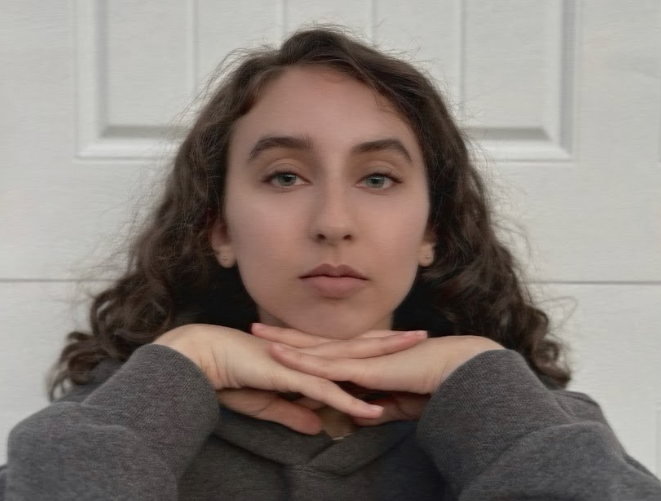
Isabelle Gitlin’s latest single, ‘Long & Gone’, is a lush, evocative journey through heartbreak and self-reflection. Building on the success of her debut track, ‘For Tonight’, Isabelle continues to evolve her signature style, blending pop, country, and soft rock into a heartfelt sound that feels both familiar and refreshingly unique.
The track’s foundation, crafted on the piano, underscores its emotional weight. Isabelle’s process of layering melodies creates a rich sonic tapestry that enhances the song’s poignant message. Her collaboration with Talitha adds an additional layer of depth, shaping the narrative into something profoundly relatable.
The lyrics tackle the pain of losing someone you never truly had, a theme both specific and universal. Isabelle’s introspection shines as she explores the isolating nature of unfulfilled longing, creating a cathartic listening experience. Her candid reflection—“It’s very difficult to sit in that pain, especially when there’s nobody to blame”—hits home with unflinching honesty.
Musical influences like SZA, Mariah Carey, and Miley Cyrus are evident in the track’s composition, blending modern production with classic emotional resonance. Isabelle’s vocals glide effortlessly over a bed of lush instrumentation, creating a soundscape that is as soothing as it is stirring.
With ‘Long & Gone’, Isabelle Gitlin solidifies her place as a rising star. It’s a track that not only showcases her musical growth but also her ability to connect with audiences on a deeply personal level.



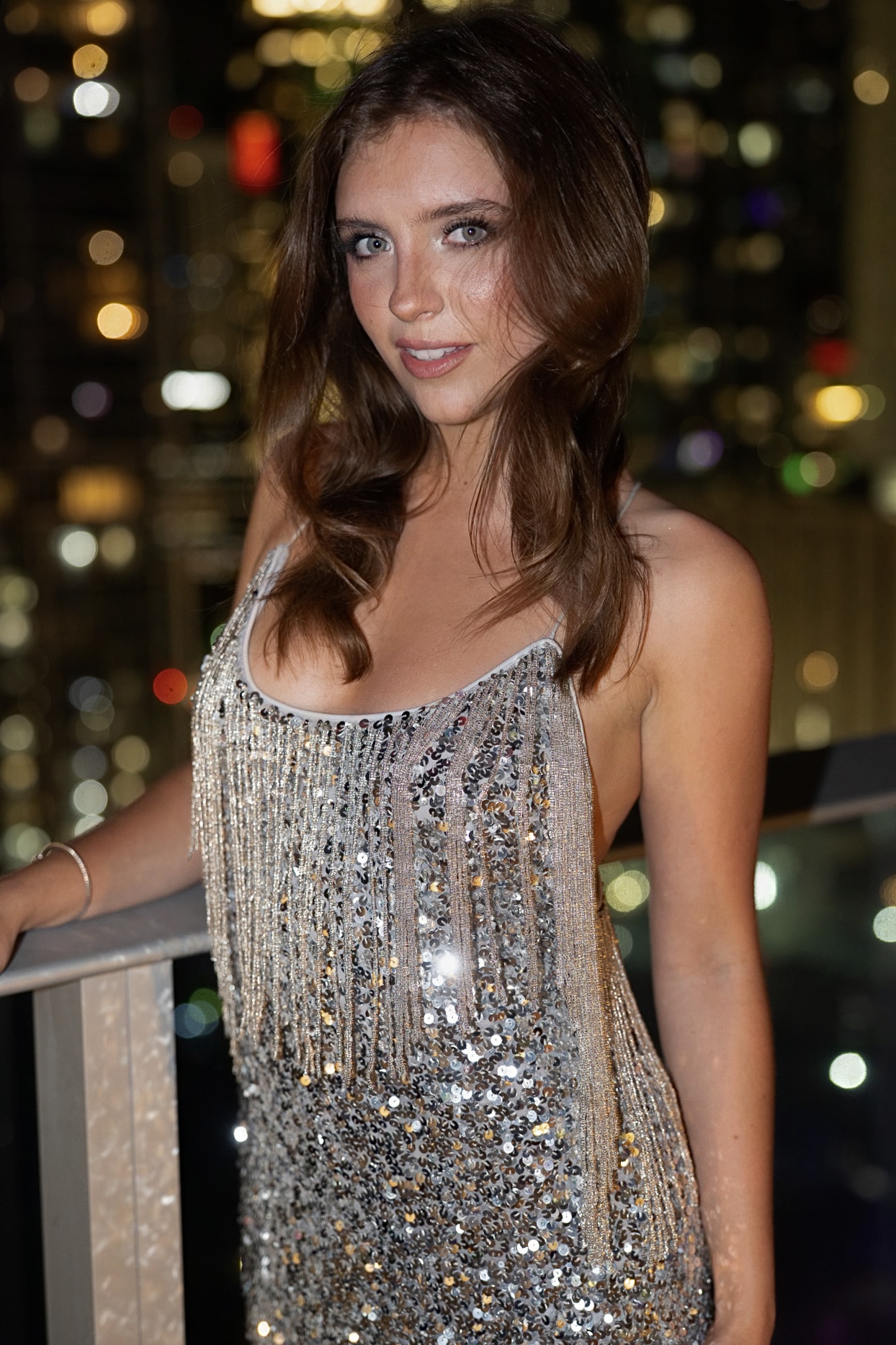

In April, singer-songwriter and actress Alivia Clark released the breathtaking single, “Breathless.” The budding songstress now closes out the summer and kicks off the fall with “Dancing In Circles.” The Dance-Pop anthem is marked by its pulsating, intoxicating rhythm and Alivia Clark’s polished, sultry vocals.
“Dancing In Circles” is a groove-led up-tempo record that is fun and uber-catchy. The euphoric song’s sensual vibe accentuates the track’s theme of blissful yet wary seduction and temptation. “‘Dancing In Circles’ explores the push and pull of attraction and is about being stuck in a cycle with someone that you know isn’t good for you, but the chemistry makes it impossible to let go.” Alivia Clark continues, “There’s something so addictive about that feeling, you know that you’re going around in circles, but part of you doesn’t want to stop.”
-

 We Speak Music1 week ago
Benicio Bridges Ghanaian Heritage and UK Rap on New Single ‘EVE’
-

 We Speak Music1 week ago
Slay Raché Shines In New Single “You Make Me Wanna Dance”
-

 We Speak Music1 week ago
Phoebe June Traces Love, Distance and Heartbreak on New EP ‘Kiss Me Over The Garden Gate’
-

 We Speak Music1 week ago
More Than Nostalgia: The Overtones Enter Their Next Chapter