
We Speak Entertainment
[VIDEO EXCLUSIVE] Did Ms. Robbie of “Sweetie Pie’s” Save Oprah’s OWN TV Network? “We were her first reality show…”

Miss Robbie the matriarch of her family and CEO of the “Sweetie Pie’s” brand credits her family’s reality series for putting “OWN TV” on the map. [Video Exclusive].
What are your thoughts? Sweetie Pie’s was the first series to takeoff on the network. OWN’s long-running, NAACP Image Award-winning docu-series “Welcome to Sweetie Pie’s” featuring soul food entrepreneur Miss Robbie Montgomery her son Tim Norman and their exuberant family returns to OWN: Oprah Winfrey Network on Saturday, November 25 at 9 p.m. ET/PT for its fifth season. The series follows the fun-loving, musical Montgomery family through their highs and lows as they work to expand their soul food empire.

On an all-new season full of equal parts family fun and jaw-dropping drama, Miss Robbie and Tim attempt to mend their mother/son relationship by dividing the family business after previous lawsuit drama between the two. Tim heads to Houston to rebound by opening up a new, full-service restaurant, while continuing his relationship with reality star Jennifer Williams – who puts on the pressure to get engaged. Tim’s ex is married with another child on the way against the wishes of Miss Robbie who truly wanted her and Tim to mend their differences. Miss Robbie & Charles sat down for a private intimate dinner with the elite press of Atlanta.

Lobster Feast

Umeek Reporter & WSP “Miss Robbie” & “Charles”
They discussed the upcoming season and the new business endeavors while still managing and mending family relationships within the business. Sweetie Pie’s shows the black entrepreneur experience in a positive light while highlighting that black families can be successful in business even with family involved. Tune in for the new season as the Montgomery’s continue to build their family empire and legacy.





We Speak Entertainment
Rocky Kramer’s Rock & Roll Tuesdays Presents “The Black Parade” On Tuesday, October 13th, 2026 7 PM PT on Twitch

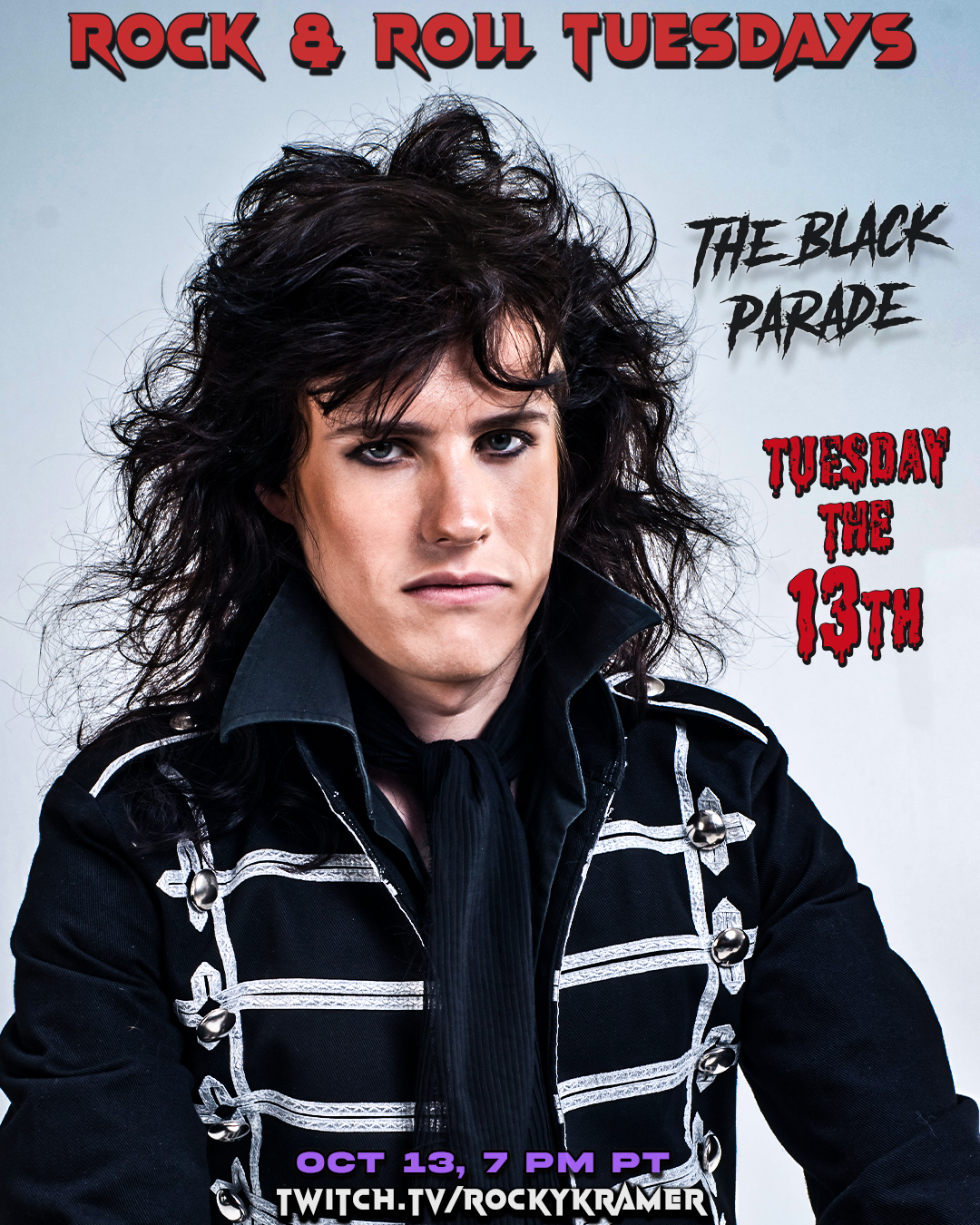
Rocky Kramer will be hosting “The Black Parade” on this week’s episode of Rocky Kramer’s Rock & Roll Tuesdays on Twitch. Tune into Twitch on Tuesday, October 13th, 2026 at 7 PM PT for this amazing show.
Rocky Kramer is a guitar virtuoso, often being compared to the greatest guitar players in the world. Rocky has performed on shows with some of the greatest musicians on the planet including Ozzy Osbourne, John Lodge, Steve Vai, Leland Sklar, Kenny Aronoff, Tommy James, Verdeen White, Ten Years After, BuckCherry, Rick Wakeman and more.
Rocky’s first studio album, “Firestorm” is now available worldwide through Allied Artists Music Group, together with an epic music video of his #1 Global DRT Chart topper single, “Rock Star”, that also picked up a Best Rock Performance nod at the 2019 Hollywood Music In Media Awards (“HMMA”).
Rocky Kramer recently returned to the studio to record his sophomore album “Alone In The Rain” which will be released soon!!!

Rocky Kramer was recently cast in The Mutt Productions/ Allied Artists rock n’ roll time travel comedy adventure “Rockin’ In Time” where he will play the film’s lead character, Lars Olsen. The film is being directed by Aaron Lee Lopez (of the “Teenage Girl” franchise) and is being produced by multi-platinum and six-time Grammy Award winning musician turned motion picture producer, Kurt Wipfli.
Rocky Kramer is now the new lead guitarist in Prescott Niles’ new revival of the legendary band The Knack. Known worldwide for their smash hit “My Sharona,” The Knack helped define the sound of late-1970s power pop and rock. Decades later, the band’s influence continues to resonate with fans and musicians across generations. With Rocky Kramer now joining the lineup, the band is poised to introduce that legacy to a new era of audiences while honoring the spirit that made them legendary.
Watch Rocky Kramer’s “Rock Star” Music Video here:
Watch Rocky Kramer’s Rock & Roll Tuesdays “The Black Parade” on October 13th, 2026, at 7 PM PT on Twitch here:
http://www.twitch.tv/rockykramer
The official website for Rocky Kramer may be found at http://www.RockyKramer.com
Visit Rock & Roll Tuesdays with Rocky Kramer on IMDB here:
-

 We Speak Music1 week ago
National Gospel Recording Artist Ellen Hayes Announces the Release of Her Farewell Album, Behind My Eyes
-
We Speak Music1 week ago
Mel D makes bittersweetness glow with magnetic new single ‘ORANGE’
-

 We Speak Music1 week ago
Kazimi Shines In New Single ‘Errant Nodes’
-

 We Speak Music1 week ago
Karabo Unleashes New Single ‘Only 4 U’