
We Speak Music
CJ Gill Finds Strength in Starting Over With Powerful New Single “Time To Go”


Sometimes the hardest goodbye is the one that helps you find yourself again. CJ Gill explores that moment of change and courage on his powerful new single “Time To Go”, a rock-infused anthem about resilience, growth, and learning to move forward.
Written across two cities and shaped by years of personal reflection, the track captures the journey that brought CJ from Chicago’s South Side to Nashville, where he is preparing to release his debut album Eye of the Storm.
Blending poetic storytelling with classic rock influences, “Time To Go” begins with a sense of weight and introspection before opening into something brighter. It’s a song about leaving behind what no longer serves you, not with bitterness, but with the understanding that every difficult chapter can become part of your story.
Inspired by legendary songwriters like Townes Van Zandt and Kris Kristofferson, CJ creates music that embraces life’s complicated moments. His songs don’t search for perfect answers. Instead, they find beauty in the struggle and strength in the process of becoming.
The track came together gradually, with lyrics written during a period of personal change in Chicago and its defining guitar melody arriving later during a sleepless night in Nashville. Featuring electric and acoustic guitars, fiddle, organ, and driving drums, “Time To Go” builds from quiet reflection into a powerful emotional release.
At its heart, the song is a reminder that hardship doesn’t have to define us. Sometimes it’s the thing that helps us grow.




We Speak Music
Nathan Bryce and Loaded Dice Release ‘Panic Is the Norm,’ a Piano Driven Blues Rock Single Featuring Clayton Doley

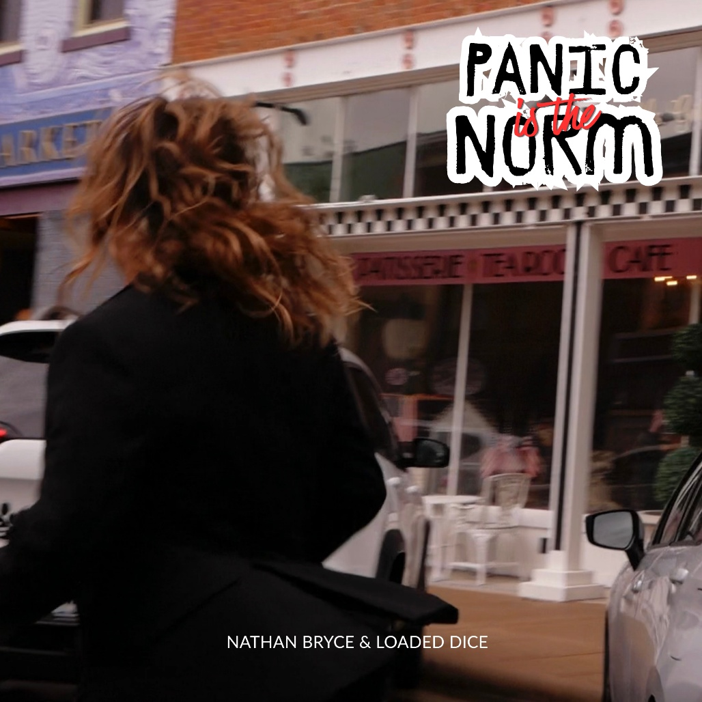
Jerry Lee Lewis comparisons get thrown around too easily these days, but Clayton Doley actually earns his on “Panic Is the Norm.” His piano doesn’t just decorate this track, it drives it, pounding away under Nathan Bryce’s guitar with the kind of reckless energy that makes you understand why rock and roll used to scare parents.
The lyrics come from Candace Crockett, a widowed mother writing about the exhausting, relentless pace of keeping a life together when the world won’t let up. That’s heavy subject matter on paper. On record, it comes out as something closer to a dare. Crockett doesn’t write from grief here, she writes from momentum, and you can hear that choice in every line Bryce sings. There’s a defiance in it that feels earned rather than performed.
Nathan’s quote about the song, that you don’t get a break, you just get better at running, sums up the whole thing better than any critic could. The band builds the track around that idea instead of around a hook, and it works because the rhythm section never lets the tempo sag long enough for you to catch your breath either. Dylan Halacy and Jerry Paswaters keep pushing from underneath while Doley and Bryce trade off up top, guitar and piano taking turns being the loudest thing in the room.
The song sits closer to 1971 than 2026, all southern rock swagger and blues bar grit, but nothing about it feels like a costume. That’s the trick this band keeps pulling off release after release. They can nod at their influences without sounding stuck in them.
Listen to “Panic is the Norm” by Nathan Bryce and Loaded Dice here.
-

 We Speak Music1 week ago
Pembroke Tenneson Isn’t Afraid To Have A Bit Of Fun With Rock ’n’ Roll
-

 We Speak Actors1 week ago
‘Sugar’ Actor Brian Gilleece Talks Colin Farrell, the Season 2 Finale and His Next Chapter
-

 We Speak Music5 days ago
DiDi Musiqq Releases New Afrobeats Single “Get Up”
-
We Speak Music4 days ago
NP York releases dreamy sophomore album ‘What’s Next?’