
We Speak Music
Irish Blues Survivor Paddy Smith Brings a Remarkable Story of Music, Loss and Redemption to The Andrew Eborn Show

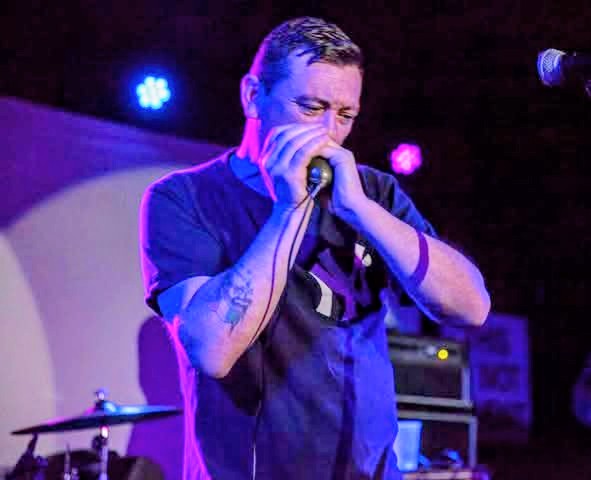
Irish blues-rock veteran Paddy Smith opens up about surviving the streets of Chicago, battling alcoholism, losing his daughter and transforming a lifetime of pain into powerful music.

There are musicians who sing the blues, and then there are musicians who have lived them.
Irish singer, songwriter and acclaimed harmonica player Paddy Smith belongs firmly in the second category.
Smith recently joined The Andrew Eborn Show for a deeply personal conversation about the extraordinary journey behind his music — a life that has taken him through addiction, homelessness, devastating loss, sobriety and ultimately redemption.
The interview, titled “Irish Blues Legend Survived Chicago Streets, Lost His Daughter & Battled the Bottle – Paddy Smith,” gives audiences a revealing look at the man behind one of Ireland’s most authentic blues-rock voices.

For Smith, the blues has never been an image or a musical pose. His songs have been shaped by experiences most people would struggle simply to survive.
At one point in his life, Smith found himself living on the streets of Chicago while battling alcoholism. He eventually fought his way back, but another unimaginable tragedy would follow when his 17-year-old daughter, Ciara, died from cystic fibrosis in 2010.
Rather than hiding from those chapters of his life, Smith has increasingly allowed them to become part of his music.
That honesty is at the heart of his acclaimed album Could Have Found Grace, an eight-track collection steeped in hardship, survival, resilience and the possibility of redemption.
The album represents something deeper than another release in Smith’s career. It feels like the musical autobiography of a man looking back at where he has been without pretending the scars have disappeared.
Smith has spoken openly about drawing inspiration from his own life experiences, and that authenticity can be heard throughout his work. His gravel-edged vocals, harmonica playing and blues-rock arrangements carry the weight of someone who understands the stories he’s singing because he has actually lived them.

Could Have Found Grace was created with guitarist Danny Tobin and features an impressive group of musicians, including Aongus Ralston of The Waterboys on bass, Jason Duffy of The Corrs on drums and keyboard player James Delaney, whose credits include work with Van Morrison, Rory Gallagher and Chuck Berry. The album was produced by Ivan Jackman at Hellfire Studios in Dublin.
Yet impressive credits aren’t what make Paddy Smith compelling.
It’s the survival.
It’s the willingness to talk about alcoholism without romanticizing it, grief without exploiting it and redemption without pretending that redemption erases what came before.
That makes Smith particularly well suited to The Andrew Eborn Show, where Andrew Eborn’s conversations frequently move beyond conventional celebrity interviews to uncover the stories behind the public persona.
During Smith’s appearance, audiences get something much more interesting than a musician simply promoting an album. They meet a survivor whose relationship with music has been forged through decades of experience.
Smith has cited artists including Muddy Waters among his earliest influences, while his own sound combines traditional blues with rock, folk and the raw energy of the Irish music scene. He’s also expressed admiration for artists ranging from Rory Gallagher and Phil Lynott to contemporary Irish band Fontaines D.C.
The result is music that respects the blues tradition without sounding trapped inside it.
Perhaps the most powerful thing about Paddy Smith’s story is that the difficult chapters haven’t disappeared. They’ve simply been transformed.
The streets, the bottle, the loss and the years of rebuilding are still there — but now they’re inside the songs.
And that’s exactly where the blues has always found its greatest power.
Watch Paddy Smith’s revealing appearance on The Andrew Eborn Show:
https://youtu.be/B_UlT2qB8Z8



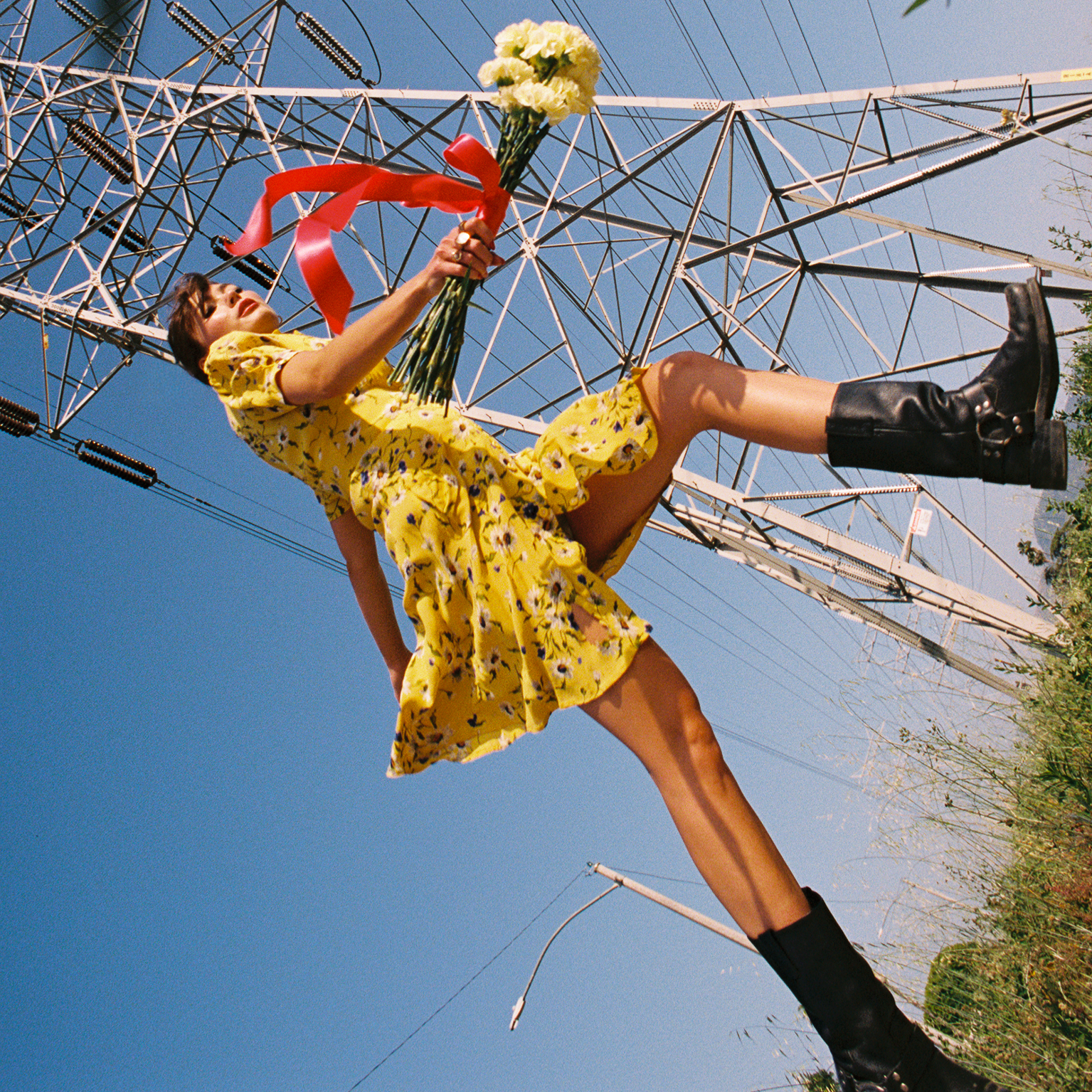
Some crushes last forever. Some are just meant to become your favourite memory. Georgia VanNewkirk captures that sweet spot between excitement, nostalgia, and “what if?” on her dreamy new indie-pop single “CRUSH”.
A hazy love letter to fleeting moments, the track dives into the magic of a connection that feels bigger than life — even if you don’t know where it’s going. With shimmering vocals, cinematic textures, and a touch of summer-night nostalgia, “CRUSH” feels like city lights, spontaneous adventures, and staying up way too late because you’re not ready for the moment to end.
Born from a season of heavier songwriting, the track arrived as a breath of fresh air. After spending weeks exploring heartbreak and intense emotions, Georgia found herself inspired by a completely different feeling: the thrill of meeting someone new and the rush of believing anything could happen.
But “CRUSH” isn’t really about one person, it’s about the feeling itself. The butterflies, the daydreaming, the way a few unforgettable moments can stay with you long after the story changes.
Known for creating entire creative worlds around her music, Georgia brings her background in directing, photography, styling, and visual design into every release. Her songs don’t just tell stories but they create places to step into.
With help from producer Corey Campbell and drummer Jake Cochran of Illiterate Light, “CRUSH” becomes a joyful, glowing reminder that not every connection needs to last forever to matter.
Sometimes the magic is in the moment. Sometimes the best stories are the ones you never saw coming.
And sometimes… it’s just a crush.
Photo by Matt Gaillet
-

 We Speak Music1 week ago
Marsha Swanson Is Building New Worlds Through Song, Storytelling And Imagination In New Single ‘Something Real’
-

 We Speak Music1 week ago
Breathing Statue Return With ‘Calm Your Mind’
-

 We Speak Music1 week ago
HA-DI Blends Culture and Storytelling on “Tell A Man”
-

 We Speak Actors1 week ago
Marvel Actor Sebastián Capitán Viveros (‘Capi’) Stars as Series Regular in ‘Fightland’