
We Speak Financials
Messi’s Miami Money: How Equity and Revenue Sharing Made His Deal Bigger Than a Salary

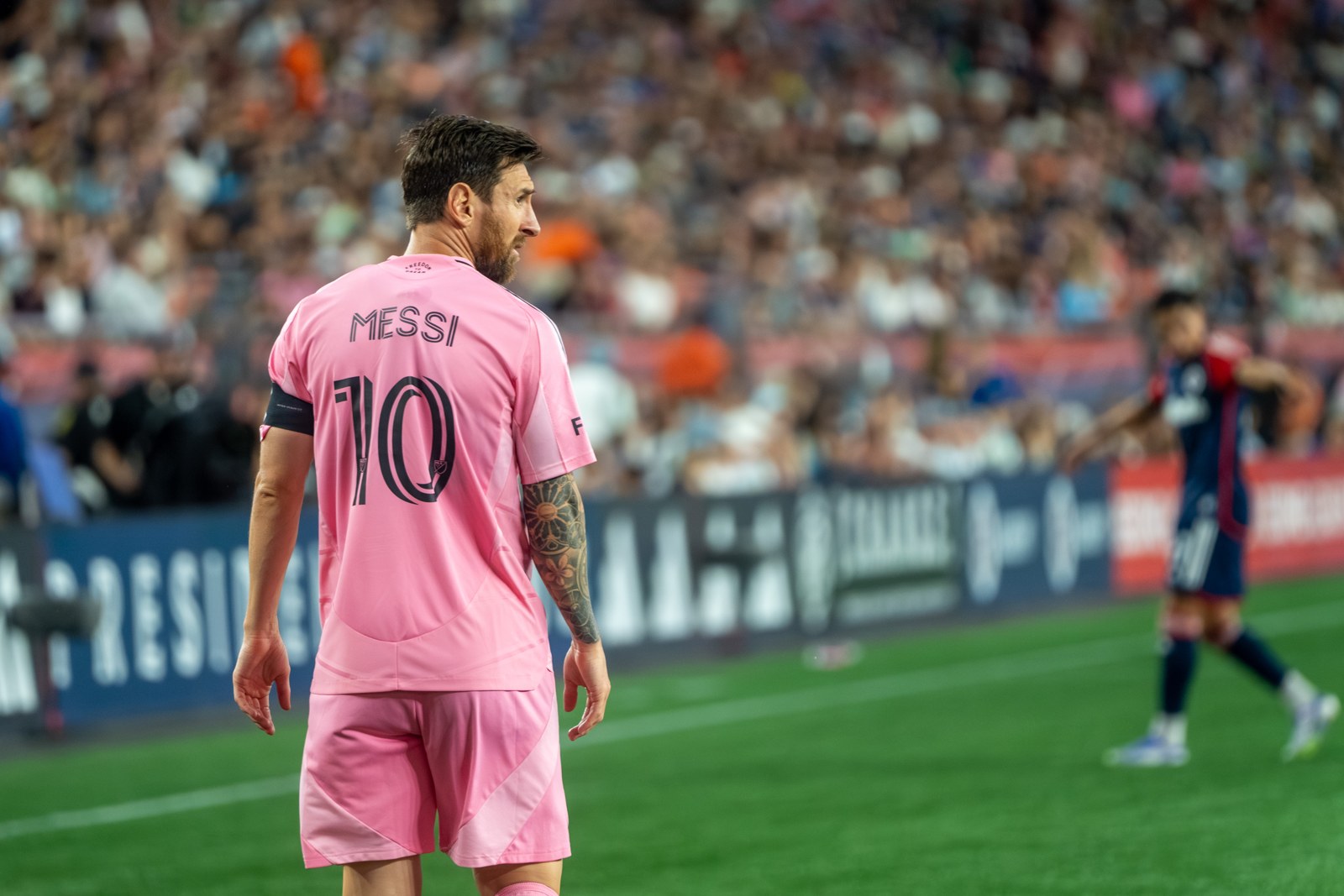
Most player contracts are simple to explain: the team pays a salary, and the salary is the story. Lionel Messi’s deal with Inter Miami was built a different way, and that is why it remains the most unusual contract in Major League Soccer.
What the official numbers say
According to the MLS Players Association, Messi’s base salary is $12 million, with guaranteed compensation of $20,446,667 a year. On its own, that made him the highest-paid player in the league on the official books. But the official books were never the whole deal.
Inter Miami co-owner Jorge Mas put the fuller picture on the record in comments reported by ESPN, saying he pays Messi between $70 million and $80 million a year, across everything. The gap between the official figure and that total is where the real story sits.
A share of the league’s business
When Messi arrived in 2023, his package was built around the league’s biggest partners. Forbes reported that his compensation is believed to include revenue-sharing agreements with league partners Adidas and Apple, which means he benefits when the league’s shirt sales and streaming business grow.
The Apple piece matters because of the size of the platform underneath it. ESPN reported that MLS signed its deal with Apple in 2022 at $250 million a year over 10 years, putting every league match on one streaming service around the world. A normal salary does not rise when subscriptions rise. A revenue share does, and no player drives subscriptions the way Messi does.
The Adidas piece works in a similar way. Messi has worn Adidas for most of his career, and Adidas supplies the league’s kits. Tying part of his pay to that business meant the company, the league and the player were all pulling in the same direction.
The ownership piece
The part of the deal with the longest life is the equity. Forbes reported that after he retires, Messi will have an option to acquire an ownership stake in Inter Miami. A salary ends when a contract ends. An ownership stake keeps a player tied to the value of the club itself, long after the last match.
That structure also helps explain why both sides wanted to keep going. Sports Illustrated reported that Messi signed an extension in October 2025 that keeps him at the club through the end of the 2028 season, with the same kind of structure carrying the deal forward.
The lesson of the Messi deal is a simple one, and it is the lesson this section will keep coming back to: read past the salary. The biggest part of a modern superstar deal may not be the paycheck at all. It may be the share of the business the star helped build.
 Formula 1’s Money Boom in America
 Bad Bunny’s Residency Math: Why Staying in One Place Paid
 Mahomes’ $450 Million Contract, Explained: Why the Headline Is Not the Paycheck
 Rihanna Built a Business, Not Just a Catalog: The Fenty Ownership Play
 Misha Fair Drops New Single ‘South of Seattle’
 Firestone Grand Prix of St. Petersburg Returns March 5-7, 2027 to Open the INDYCAR Season
 Championship Weekend Comes Home: After Seven Years Away, NASCAR’s Titles Return to Homestead
 Lita Ford Signs With Frontiers Music Srl and Unleashes New Single “Dracula”



A generation ago, Formula 1 treated the United States as a nice place to visit. Today it treats America as the engine room. Three U.S. races, a Las Vegas event the sport promotes itself, and team values that now rival the biggest franchises in American sports tell a story that is less about lap times than about money — and the money is moving fast.
Start with the valuations. In Forbes’ November 2025 ranking of Formula 1’s most valuable teams, Ferrari led the grid at an estimated $6.5 billion, with Mercedes second at $6 billion and McLaren third at $4.4 billion. Across all ten teams, the average valuation reached $3.6 billion — up 89 percent since 2023, according to Forbes — and every single team on the grid was valued at $1.5 billion or more. A cost cap introduced in 2021 turned teams from spending contests into controlled businesses, and investors have priced them accordingly.
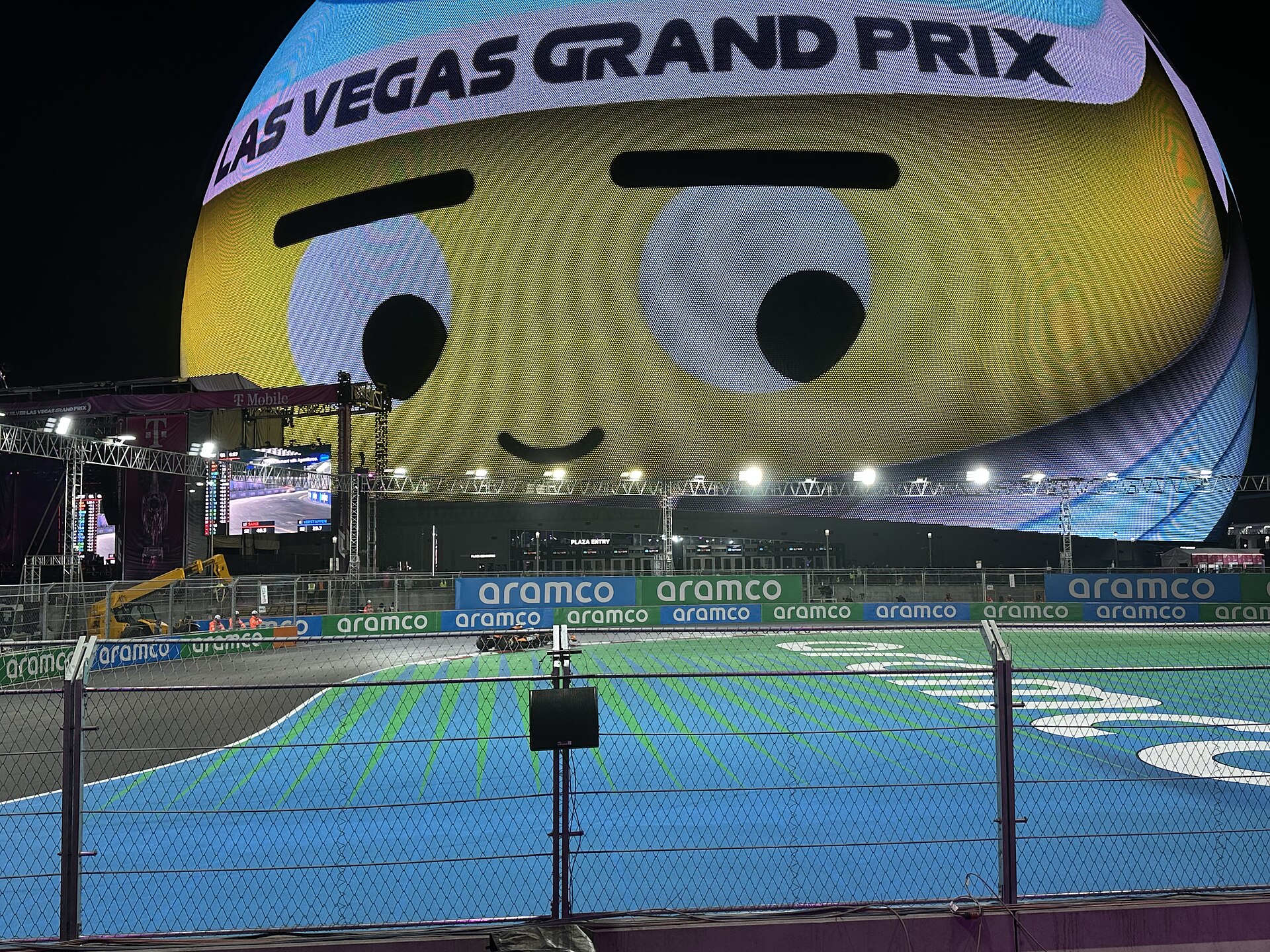
Then there is Las Vegas. Formula 1 did something in Vegas it does almost nowhere else: it promoted the race itself, buying land, building a permanent pit facility and collecting the ticket and hospitality revenue directly. The inaugural 2023 race generated an estimated $1.5 billion in total economic impact for the city, according to analysis by Applied Analysis reported by the Las Vegas Convention and Visitors Authority, including $884 million in visitor spending — with attendees spending about 3.6 times more than the average Las Vegas visitor. The race drew a global television audience reported at 59.3 million.
The audience story backs up the asset story. The inaugural Las Vegas race pulled 1.3 million U.S. viewers on ESPN despite a 1 a.m. Eastern start, and the sport’s American calendar — Austin, Miami and Las Vegas — now gives sponsors three premium weekends on U.S. soil instead of one novelty stop.
Austin’s long-running race and Miami’s event, added in 2022, round out the American trio, giving teams, sponsors and broadcasters a season-long presence in the sport’s largest commercial market rather than a single annual visit.
Put it together and the boom explains itself: capped costs, soaring team values, a self-promoted American flagship race, and sponsors paying record rates to stand next to all of it. Formula 1 did not just find America. It found America’s wallet — and America’s investors found it right back.
Bad Bunny’s Residency Math: Why Staying in One Place PaidMahomes’ $450 Million Contract, Explained: Why the Headline Is Not the PaycheckRihanna Built a Business, Not Just a Catalog: The Fenty Ownership Play How a Movie’s Money Actually Splits: Box Office in Plain WordsMisha Fair Drops New Single ‘South of Seattle’Firestone Grand Prix of St. Petersburg Returns March 5-7, 2027 to Open the INDYCAR SeasonChampionship Weekend Comes Home: After Seven Years Away, NASCAR’s Titles Return to HomesteadLita Ford Signs With Frontiers Music Srl and Unleashes New Single “Dracula”
-

 We Speak Jazz5 days ago
Toronto Jazz Singer Ori Dagan Announces First Live Album ‘Live in the Market’ for October 23 Release
-

 WE Speak MMA6 days ago
UFC 334: Gane vs. Hokit, Harrison vs. Nunes Title Fights Set for November 14 at Madison Square Garden
-

 We Speak Comedy6 days ago
Nate Bargatze Plays Rexburg Tomorrow, Then Settles Into Las Vegas on the Record-Breaking Big Dumb Eyes Tour
-

 We Speak Celebrity News5 days ago
Jennifer Lawrence Steps Into Beauty With Biodesigned Haircare Brand mes°