We Speak Music
Nathan Bryce and Loaded Dice Get Real With “Drunk Dial Baby”

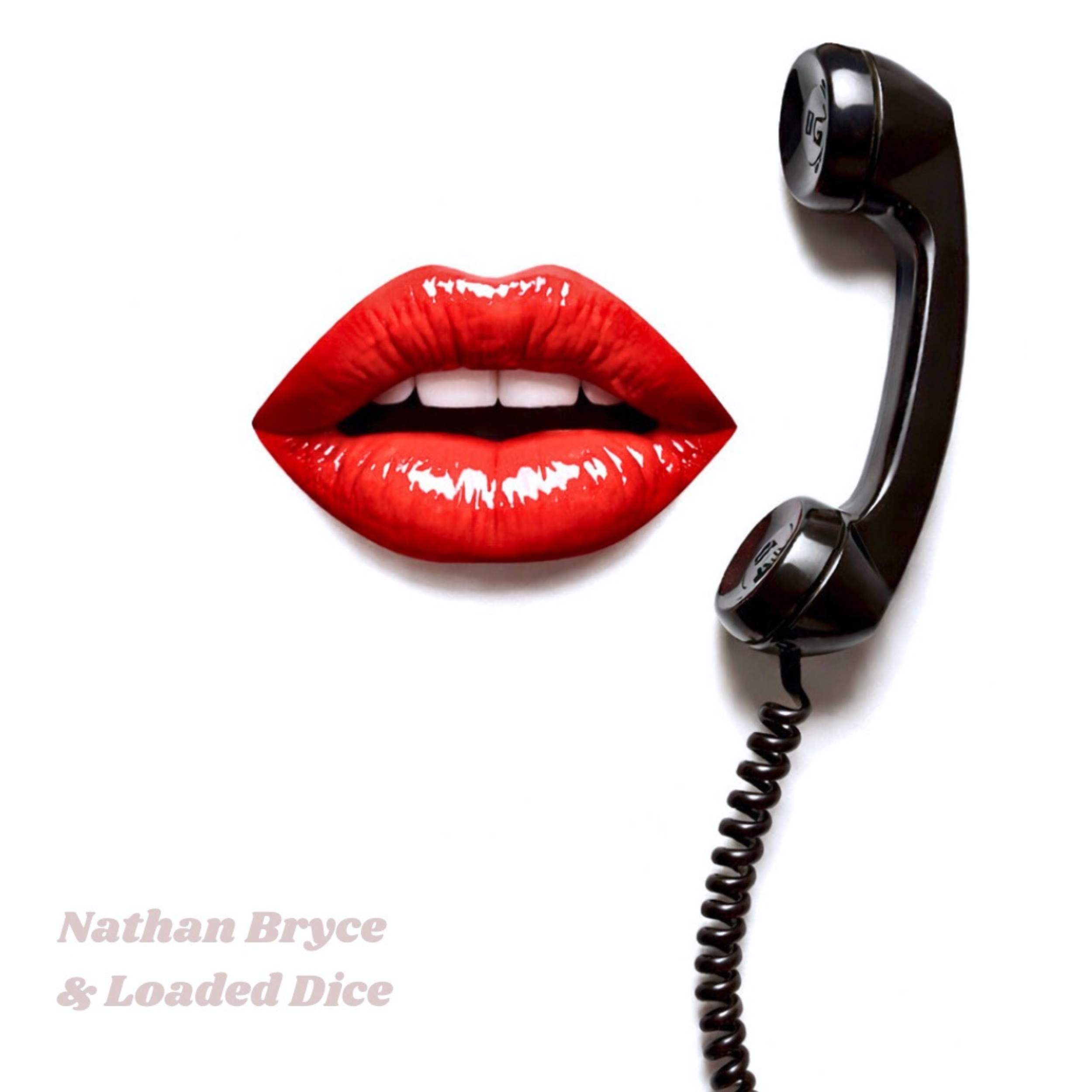
Nathan Bryce and Loaded Dice have released “Drunk Dial Baby”. It’s funny, it hurts, and most importantly, it sounds like three guys who’ve actually lived this exact situation one too many times.
The song opens with a loose, funky pocket that feels nothing like the heavier blues rock stuff Bryce and Loaded Dice usually throw down. Jerry Paswaters’ bass line is the real MVP here, locking everything down while Dylan Halacy’s drums stay just loose enough to feel like they’re having fun with it. It’s got swing. It’s got soul. And Bryce’s guitar cuts through like he’s been waiting to let this one out.
The lyrics are where this songs gets its teeth. “She only calls me after a couple shots of whiskey” is the kind of line that lands because you’ve either said it or heard it a hundred times. The whole thing walks this perfect line between laughing at yourself and acknowledging that yeah, this situation sucks. The bridge line “She just wants a little rock and roll to fill the holes in her soul” hits different, followed by that perfectly honest closer: “I’ll pick up that phone. Every. Damn. Time.” That’s the whole relationship right there in one sentence.
After three years backing up Taj Farrant and grinding it out on the road, it’s clear these guys have earned their chops. This track is them stepping out and proving they’ve got their own voice, their own story to tell. And on “Drunk Dial Baby,” they tell it really well.
You can listen here.



We Speak Music
SCARECROW’s John Blaze Delivers a Career Milestone With “Twisted” and Earns Josie Music Awards Song of the Year Nomination

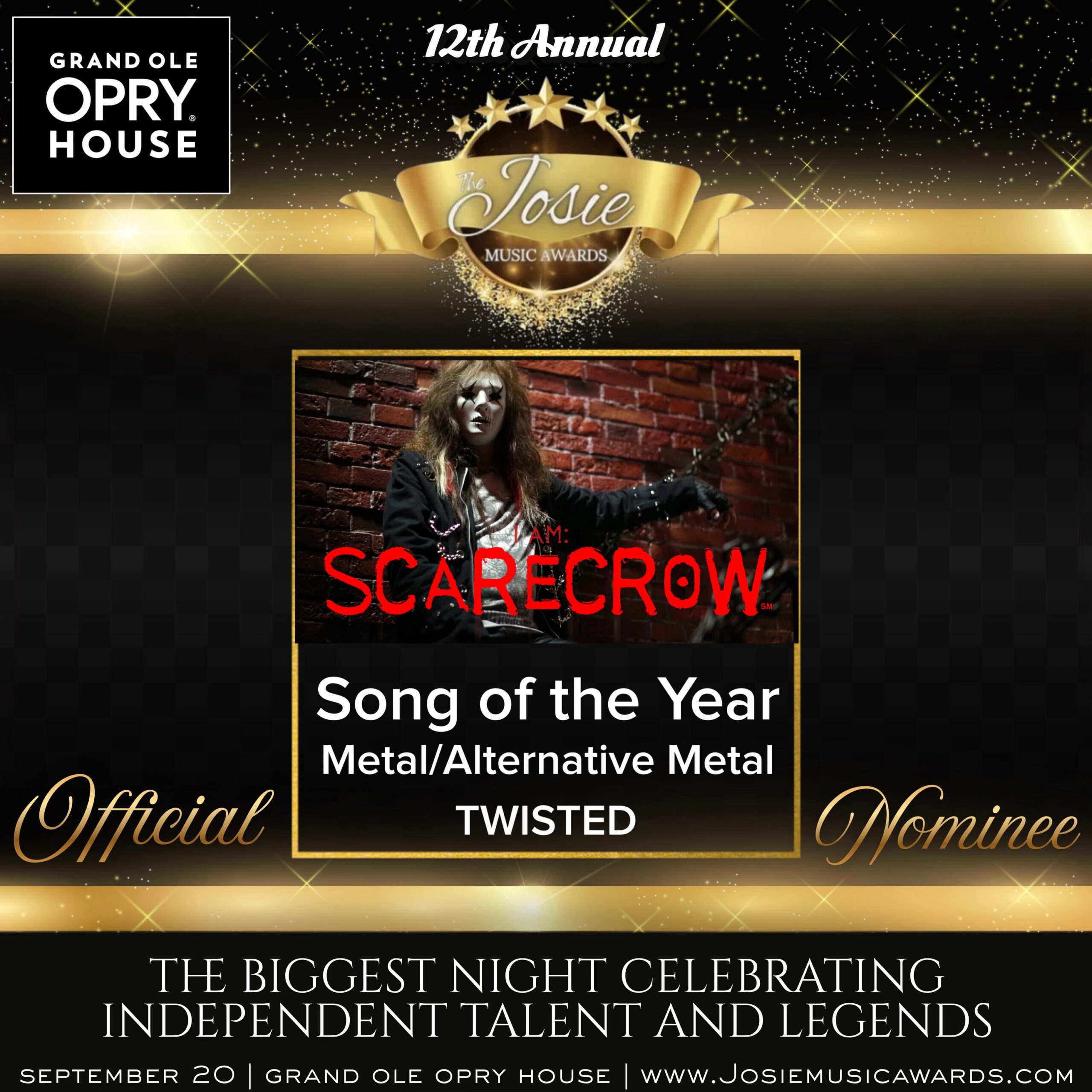
John Blaze has spent nearly four decades fronting SCARECROW, the New York hard-rock outfit he founded in 1989, and in 2026 he delivered one of the most ambitious releases of his career with “Twisted.” Now, the song has reached another major milestone: “Twisted” has been nominated for Song of the Year in the Metal/Alternative category at the Josie Music Awards.
The nomination places Blaze and SCARECROW among this year’s recognized independent artists and songwriters at the Josie Music Awards, with the awards ceremony set to take place at Nashville’s legendary Grand Ole Opry. For an artist whose career has been built on persistence, independence and decades of hard-rock storytelling, the recognition gives “Twisted” an entirely new chapter.

Written by John Blaze and Chaffin, “Twisted” pulls together a lineup of guest players that reads like a rock family reunion, built around Blaze’s long-standing friendship with Dee Snider and the legacy of Twisted Sister, a band woven into SCARECROW’s story from its earliest days.
That connection goes all the way back to the beginning. SCARECROW’s original lineup featured guitarist Eddie Ojeda, best known for his work in Twisted Sister, and the two camps have remained connected ever since. “Twisted” makes that history explicit: Dee Snider appears on the record with guest vocals during the track’s climactic second verse and chorus, lending the song an instantly recognizable jolt of arena-rock power.
Snider isn’t the only marquee name in the credits. Mark Wood, founding violinist of Trans-Siberian Orchestra, contributes electrifying violin work that gives “Twisted” a cinematic sweep uncommon in modern hard rock. Rounding out the track are TJ Jordan on lead guitar and Bobby Marks on drums, creating a powerful, road-tested foundation behind Blaze’s signature gritty vocal delivery.
The Josie Music Awards nomination feels particularly fitting because “Twisted” isn’t simply another SCARECROW release. It brings together different eras of Blaze’s musical life while pushing the band’s sound forward. There’s history in the recording, but there’s also urgency. It doesn’t sound like a band looking backward. It sounds like one with unfinished business.

For Blaze, the nomination also represents recognition of a career that has largely been built outside the traditional machinery of the mainstream music business. Independent rock artists rarely survive for decades without a fierce commitment to what they do, and SCARECROW’s longevity speaks for itself. From the band’s early years and its 1991 debut, through the Blood, Sweat and 20 Years retrospective and the theatrical production I Am SCARECROW, Blaze has continued developing a world around the music rather than simply releasing songs.
That makes the Song of the Year nomination especially meaningful. After nearly four decades of building SCARECROW, Blaze now heads to the Josie Music Awards at the Grand Ole Opry with one of his most ambitious songs recognized in the Metal/Alternative category.
And there’s something wonderfully appropriate about the song that got him there.
“Twisted” connects SCARECROW’s beginnings to its present, reunites Blaze musically with figures tied to the band’s history, and demonstrates just how much fire remains in the project. With Snider and Wood contributing to the record and Blaze still driving the band he created from the ground up, the track feels less like a nostalgic reunion than a statement of survival.
Now it’s also an award-nominated song.
For John Blaze and SCARECROW, nearly four decades into the journey, “Twisted” has become more than another entry in the catalog. It’s a career milestone — and this September, that milestone is taking SCARECROW all the way to the Grand Ole Opry.
-

 We Speak Events6 days ago
HOT ROD Power Fest Brings Two Days Of Horsepower To Atlanta
-

 We Speak Music5 days ago
Reggie Benjamin Reimagines The Classics On Harmony In Blue: The Duets
-

 We Speak Music1 week ago
Dysmusia Keeps “In your eyes” Honest, Warm And Straight To The Point
-

 We Speak Music4 days ago
Wonderama Kicks Off Global Livestream From Times Square With Launch Partner FENIX360